
Connector manufacturer
Connector manufacturer
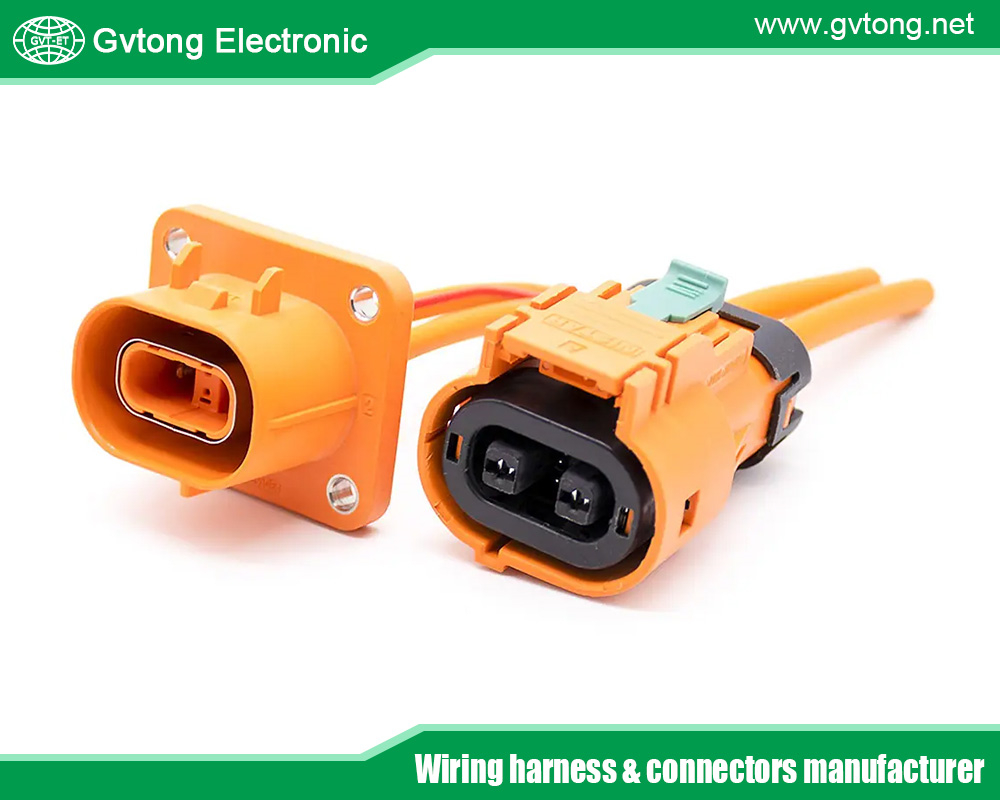
How Automotive Waterproof Wire Connectors Work: Sealing Technology in Harsh Environments
Modern vehicles contain thousands of electrical connections that must operate reliably in environments exposed to moisture, temperature extremes, vibration, and contaminants. Automotive waterproof wire connectors have become critical components in automotive electrical systems, enabling the proliferation of electronic controls, sensors, and infotainment systems in today’s sophisticated vehicles. This article examines the engineering principles, materials, and designs that allow these connectors to maintain electrical integrity while excluding moisture and contaminants in automotive applications.
The Need for Waterproofing in Automotive Electrical Systems
The automotive environment presents one of the most challenging scenarios for electrical connections. A single vehicle may contain between 1,500 to 3,000 electrical connectors with thousands of individual connection points. These connectors must withstand:
- Water exposure from rain, washing, flooding, and road spray
- Temperature extremes ranging from -40°C to 125°C or higher near engines
- Chemical exposure to fuels, oils, cleaning agents, and road salts
- Vibration and mechanical stress from vehicle operation
- Cyclic thermal expansion and contraction
Without proper protection, moisture ingress leads to corrosion, increased resistance, intermittent connections, and ultimately electrical failure. Waterproof connectors prevent these issues through integrated sealing systems that maintain electrical continuity while excluding environmental contaminants.
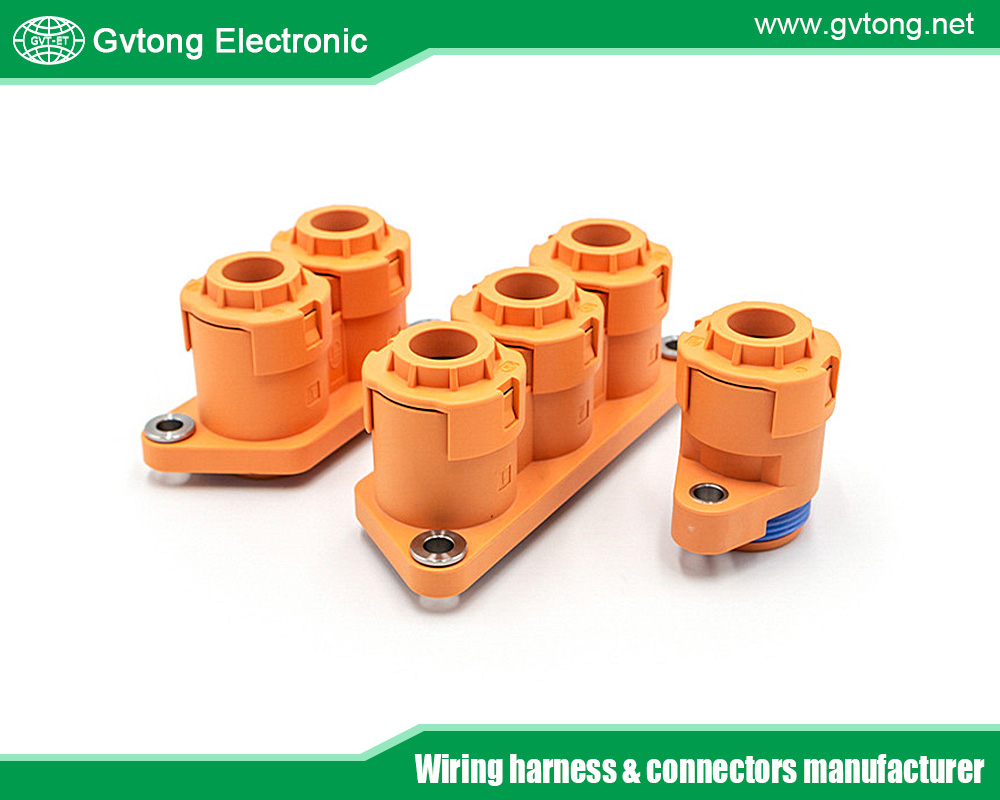
Fundamental Sealing Principles
- Multi-Barrier Protection Strategy
Automotive waterproof wire connectors employ a defense-in-depth approach with multiple independent sealing barriers:
Primary Seal (Contact Level): Each individual pin contact receives its own seal, typically through precision-formed rubber grommets that fit tightly around wires while maintaining electrical isolation between contacts.
Secondary Seal (Housing Interface): The connector housing itself forms a sealed environment through gaskets, O-rings, or molded seals between mating connector halves.
Tertiary Protection (Wire Entry): The point where wires enter the connector receives specialized seals that accommodate wire movement while maintaining barrier integrity.
Quaternary Protection (Additional Barriers): Some high-reliability connectors include additional features like potting compounds, membrane seals, or hydrophobic gels for extreme applications.
- Interfacial Sealing Mechanics
The effectiveness of waterproof seals depends on creating continuous compression between sealing elements:
Compression Sealing: Elastic materials (typically silicone, EPDM, or fluorosilicone rubber) are compressed between mating surfaces, creating a contact pressure greater than the expected environmental pressure. The compression set—the material’s ability to maintain sealing force over time—is a critical material property.
Geometric Sealing: Precision-molded features create labyrinth paths that physically block moisture ingress even under pressure differentials. These include tongue-and-groove designs, interlocking ribs, and multi-wall barriers.
Adhesive Bonding: Some connectors use chemically bonded seals where adhesive compounds create molecular-level bonds between components, eliminating potential leakage paths.
Materials Science of Waterproof Connectors
Elastomer Selection and Properties
The choice of sealing materials determines performance across environmental conditions:
Silicone Rubber: Offers excellent temperature resistance (-60°C to 230°C), good compression set resistance, and flexibility. Widely used for primary seals and gaskets. Its hydrophobic nature naturally repels water.
EPDM (Ethylene Propylene Diene Monomer): Provides superior resistance to ozone, weathering, and polar fluids like brake fluid. Commonly used in secondary seals and wire entry seals.
Fluorosilicone: Combines silicone’s temperature stability with improved fuel and oil resistance. Essential for connectors in engine compartments.
TPE/TPV (Thermoplastic Elastomers/Vulcanizates): Used in molded connector housings with integrated seals, offering recyclability and design flexibility.
Critical Material Properties:
- Compression Set Resistance: Ability to maintain sealing force after prolonged compression
- Tear Strength: Resistance to damage during installation or vibration
- Fluid Resistance: Compatibility with automotive chemicals
- Thermal Stability: Consistent performance across operating temperatures
- Aging Characteristics: Resistance to degradation from heat, ozone, and UV exposure
Contact Materials and Plating
While sealing materials protect the connections, the electrical contacts themselves require corrosion-resistant materials:
Copper Alloys: Typically brass or phosphor bronze for spring contacts, often with multiple plating layers:
- Underplating: Nickel barrier layer prevents copper diffusion
- Surface Plating: Gold (for low-signal applications) or tin (for power applications)
- Selective Plating: Gold only in contact areas with tin elsewhere for cost optimization
Stainless Steel: Used in some sealed connector components for extreme corrosion resistance.
Connector Design Architectures
- Rubber Grommet/Seal Plate Design
The most common waterproof connector design features a rubber seal plate containing precisely molded holes for each contact:
Seal Plate Construction: A single molded rubber component with:
- Tapered entry holes that compress around inserted wires
- Isolated chambers for each contact to prevent cross-contamination
- Integral locking features that engage with connector housing
- Peripheral sealing flange that compresses against housing interior
Assembly Process: Wires with crimped contacts are inserted through seal plate holes, creating an interference fit. The seal plate then installs into the connector housing, with the housing providing additional compression to the seal’s peripheral flange.
- Molded-Seal Connectors
In higher-volume applications, connectors feature seals molded directly to wires or contacts:
Overmolding Process: Elastomer is injection-molded directly around wire-contact assemblies, creating a monolithic seal without assembly interfaces. This approach eliminates potential leakage paths but requires specialized manufacturing equipment.
Two-Shot Molding: Some connectors use dual-material injection molding where rigid housing and flexible seals are formed in a single automated process.
- Gel-Filled Connectors
For applications requiring exceptional moisture exclusion and corrosion protection:
Gel Compounds: Thixotropic silicone gels that remain semi-fluid, conforming to irregular shapes while excluding water. These “self-healing” materials seal around inserted contacts and accommodate wire movement.
Gel Pockets: Connector designs with cavities filled with gel, through which contacts are inserted. The gel displaces around contacts then reflows to form a complete seal.
- Membrane Sealing Technology
For connectors requiring frequent engagement/disengagement:
Elastomeric Membranes: Thin rubber sheets with slits that allow contact insertion while maintaining seal integrity. The slit closes around the contact when mated and seals completely when unmated.
Shutter Mechanisms: Mechanical covers that protect contacts when disconnected and seal during mating.
Sealing System Components
- Housing Seals
Perimeter Gaskets: Compressed between connector halves when mated, typically using O-ring cords in machined grooves or molded gaskets.
Latches with Seals: Connector latching mechanisms often incorporate seals to prevent moisture ingress through latch openings.
Interface Seals: Custom-shaped seals that match connector outlines, providing environmental sealing while allowing signal/power contacts to pass through.
- Wire Seals
Conical Seal Design: Tapered rubber elements that provide increasing compression as wires are inserted. The conical shape accommodates varying wire diameters while maintaining seal.
Hinged Clamp Seals: Multi-part seals that close around wire bundles then compress within the connector housing.
Cable Glands: External seals that provide strain relief while sealing around cable jackets, particularly for multi-wire cables.
- Contact Seals
Individual Pin Seals: Small rubber sleeves surrounding each contact, providing isolation between contacts while sealing against moisture migration along the contact surface.
Seal-less Contacts: Some designs rely on extremely tight tolerances between contact and housing, using interference fits of engineered plastics to create moisture barriers.
Performance Standards and Testing
Automotive waterproof connectors must meet rigorous international standards:
- IP (Ingress Protection) Ratings
The IP code defines protection levels against solid objects and liquids:
First Digit (Solid Protection): Ranges from 0 (no protection) to 6 (dust-tight)
Second Digit (Liquid Protection): Critical for waterproof connectors:
- IPX4: Protection against water splashes from any direction
- IPX6: Protection against powerful water jets
- IPX7: Protection against immersion in water up to 1 meter for 30 minutes
- IPX8: Protection against continuous immersion under specified conditions
- IPX9K: Protection against high-pressure, high-temperature washdowns
Automotive connectors typically require IP67 or IP69K ratings for underhood and exterior applications.
- Automotive-Specific Standards
USCAR-2: Defines performance requirements for automotive electrical connector systems, including sealing tests.
LV214 (German Standard): Stringent requirements for German automotive applications, including temperature cycling with humidity exposure.
ISO 16750: International standard for environmental testing of automotive electrical equipment.
- Validation Testing
Pressure Decay Testing: Connectors are pressurized then monitored for pressure loss indicating seal leakage.
Dye Penetration Testing: Immersion in dyed liquid followed by disassembly to detect ingress paths.
Thermal Cycling with Humidity: Exposure to temperature extremes with high humidity to accelerate failure modes.
Vibration Testing with Salt Spray: Combined mechanical and corrosion testing simulating harsh operating environments.
Fluid Immersion Testing: Exposure to automotive fluids (gasoline, oil, coolant) at elevated temperatures.
Manufacturing and Assembly Considerations
- Precision Manufacturing
Waterproof connectors require tight tolerances uncommon in standard connectors:
Mold Precision: Rubber seals require injection molds with micron-level precision to ensure consistent sealing dimensions.
Dimensional Control: Housing features must maintain precise dimensions to provide correct compression of sealing elements.
Cleanliness: Contaminants on sealing surfaces compromise effectiveness, requiring controlled manufacturing environments.
- Assembly Techniques
Proper Insertion Tools: Specialized tools ensure contacts are fully seated without damaging seals.
Seal Lubrication: Food-grade silicone lubricants reduce insertion force while protecting seals during assembly.
Verification Methods: Automated optical inspection checks seal placement and orientation before shipment.
Installation and Service Best Practices
- Installation Guidelines
Seal Inspection: Verify seals are undamaged, properly positioned, and free of contaminants before installation.
Correct Engagement: Audible and tactile clicks confirm connectors are fully mated, compressing interface seals.
Strain Relief: Proper cable securing prevents mechanical stress on wire-to-seal interfaces.
Replacement Protocols: Most waterproof seals are single-use; connectors must be disassembled with new seals installed during service.
- Common Failure Modes
Extrusion Damage: Seals pinched or cut during assembly, creating leakage paths.
Chemical Degradation: Incompatible fluids causing seal swelling, shrinkage, or loss of elasticity.
Thermal Aging: Loss of compression set resistance after prolonged high-temperature exposure.
Installation Errors: Partially engaged connectors, missing seals, or contaminated sealing surfaces.
Vibration Fatigue: Mechanical working of seals leading to loss of compression or material fatigue.
Advanced Technologies and Future Developments
- Smart Sealing Systems
Integrated Sensors: Micro-sensors within connectors detecting moisture ingress before electrical failure occurs.
Self-Healing Materials: Polymers that autonomously repair minor seal damage.
Condition Monitoring: Connectors with built-in impedance monitoring to detect corrosion before circuit failure.
- Material Advancements
Nanocomposite Elastomers: Materials incorporating nanoparticles for improved barrier properties without compromising flexibility.
Liquid Crystal Elastomers: Programmable materials with shape memory for adaptive sealing.
Superhydrophobic Coatings: Surface treatments creating extreme water repellency at connector interfaces.
- Design Innovations
Zero-Insertion-Force Seals: Designs allowing connector mating without damaging seals during the engagement process.
Modular Sealing Systems: Configurable connectors with field-replaceable seal elements for different environmental requirements.
Biomimetic Designs: Seal geometries inspired by natural waterproofing mechanisms like lotus leaves or shellfish.
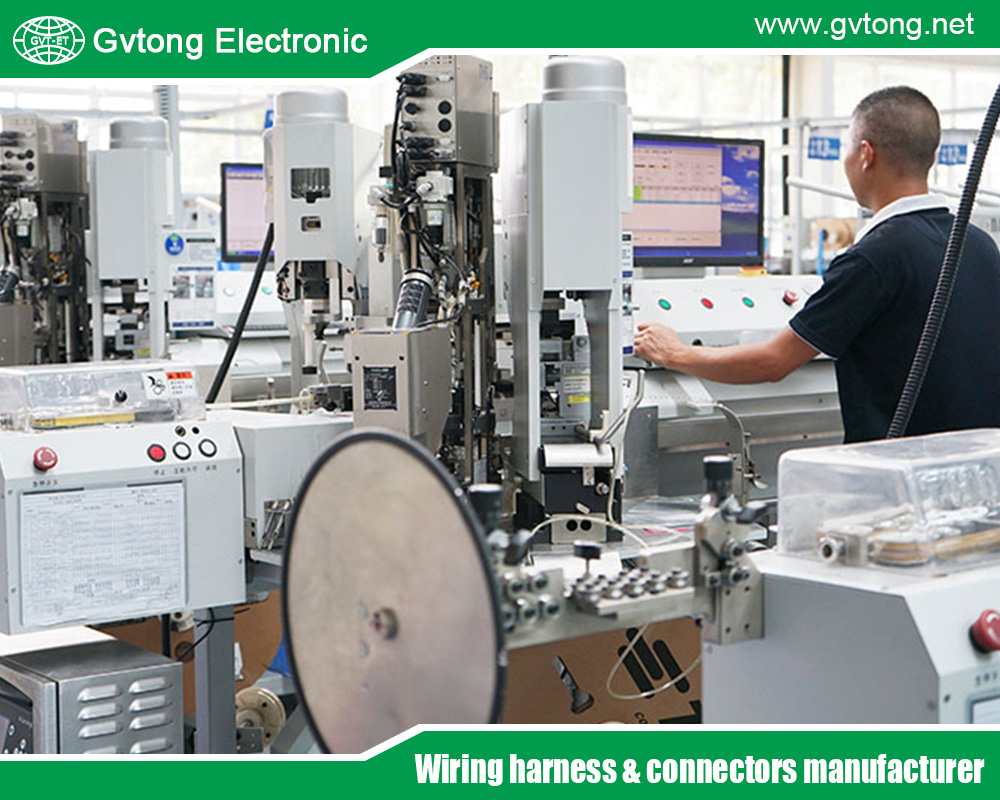
Conclusion
Automotive waterproof wire connectors represent a sophisticated integration of materials science, precision engineering, and design innovation. Their multi-barrier sealing systems protect increasingly complex vehicle electronics from harsh operating environments, enabling the reliability expected in modern automobiles. As vehicles evolve toward electrification and autonomous operation, with more critical electronic systems in exposed locations, waterproof connector technology will continue advancing to meet even more demanding requirements. The humble sealed connector, often unnoticed in vehicle design, remains an essential enabler of automotive electronic innovation, proving that sometimes the most critical technologies are those that work invisibly to exclude the elements while maintaining perfect electrical continuity.
For more about how automotive waterproof wire connectors work: sealing technology in harsh environments, you can pay a visit to Gvtong at https://www.gvtong.net/ for more info.
-
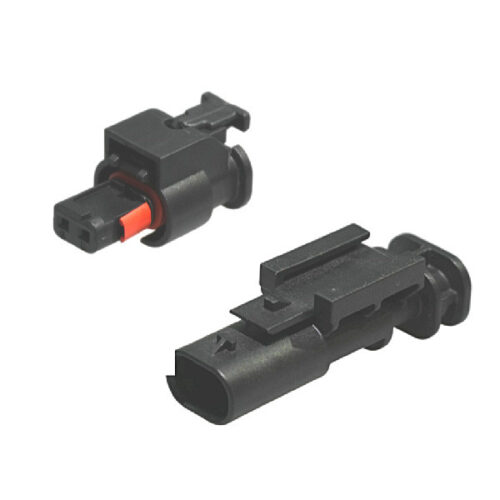
GE Series-2-core cylinder connector
-
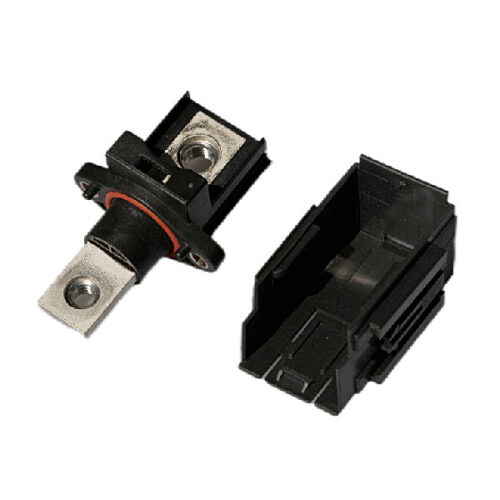
GH Series – DCDC Through-Wall Terminal Block – With Protective Cover
-
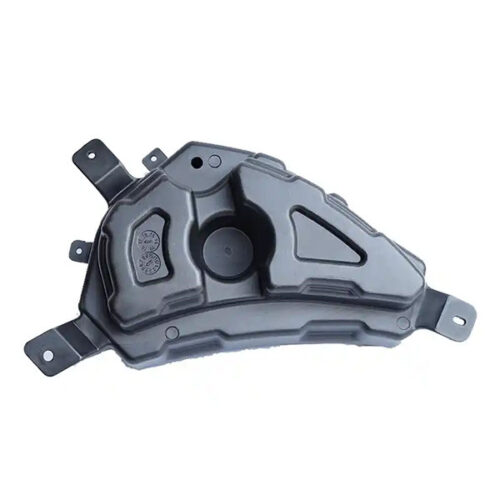
EV’s Plastic Injection Parts
-
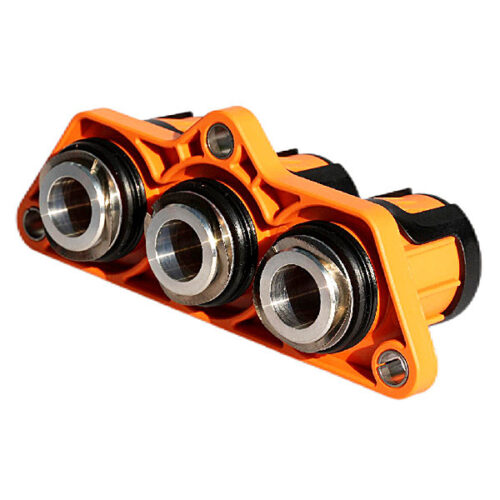
GIPT 3-core wiring connector
-
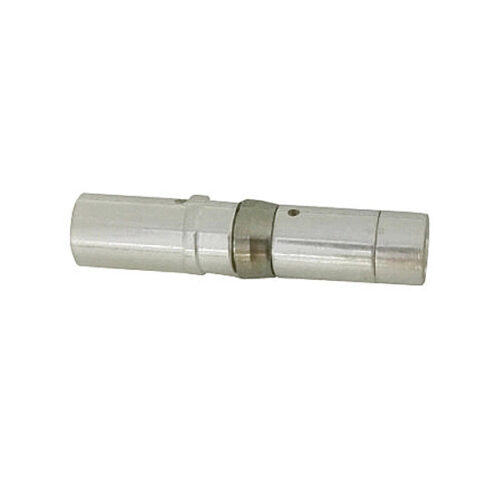
3.0 wire spring jack – crimp 2.5mm cable
-
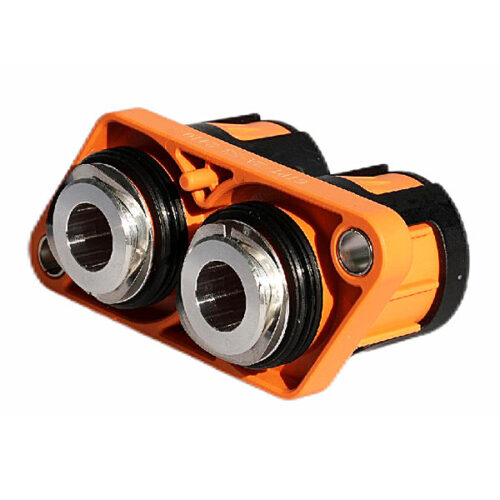
GIPT 2-core wiring connector
-
GT Series-2-core/3-core Signal Connector
-
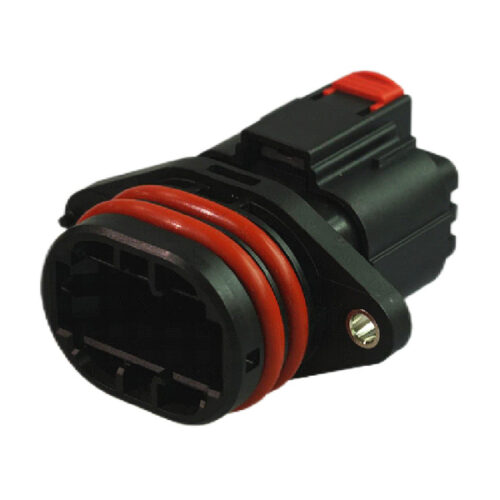
GE Series-12-core cylinder connector