
Connector manufacturer
Connector manufacturer
How to Properly Crimp 12 Volt Automotive Wire Connectors: A Step-by-Step Guide for Reliable Electrical Connections
In the world of automotive repair and customization, few skills are as fundamental—or as frequently botched—as crimping a 12 volt automotive wire connector. A proper crimp is the invisible backbone of a reliable 12-volt electrical system, whether you’re installing a new stereo, adding off-road lights, or repairing a damaged tail light harness. A poor crimp, on the other hand, is a ticking time bomb: it leads to voltage drop, intermittent operation, overheating, and ultimately, complete failure. Unlike household AC wiring, automotive electrical systems face constant vibration, temperature extremes, and exposure to moisture and chemicals. This guide will walk you through the professional techniques to create durable, high-conductivity connections that will last the life of your vehicle.
Why the “Squeeze-and-Pray” Method Fails
Before we pick up a tool, it’s crucial to understand what we’re trying to achieve. A crimp is not merely a means to hold a wire in place. A proper crimp creates a cold weld. The terminal and the wire strands are mechanically deformed under immense pressure, creating a gas-tight seal. This seal prevents oxygen and moisture from entering, which prevents corrosion. It also forces the individual strands of the wire into a unified mass, ensuring optimal electrical conductivity. A solder-like connection is achieved without the brittleness that solder can introduce in a high-vibration environment.
Common failures include:
- The Pliers Crimp: Using standard pliers flattens but doesn’t compress. It creates a weak hold that loosens with vibration.
- The “Crimp-on-the-Insulation” Mistake: Crimping the terminal barrel onto the wire’s insulation instead of the bare conductor guarantees no electrical connection.
- The Under-Crimp: The terminal is not fully compressed, resulting in a loose connection that arcs, heats up, and fails.
- The Over-Crimp: Using too much force or the wrong die can sever strands or crack the terminal, critically weakening it.
Essential Tools & Materials: Investing in Reliability
Using the right tools is not optional for a professional result.
- Wire Strippers: A dedicated auto-stripper is ideal. It cuts the insulation without nicking the copper strands. Nicked strands break easily and reduce current-carrying capacity.
- The Crimping Tool: This is the heart of the operation. Avoid all-in-one “cheap” crimpers that look like pliers. You need a ratcheting crimper with industry-standard dies (often color-coded for red, blue, and yellow insulated terminals). The ratcheting mechanism ensures a full crimp cycle is completed with the correct amount of force every time.
- Terminals and Connectors: Always use copper terminals with tin plating to resist corrosion. Match the terminal to the wire gauge (e.g., 16-14 AWG for red, 14-12 AWG for blue, 12-10 AWG for yellow). Use heat-shrink tubing with internal adhesive/sealant for any connection exposed to the elements.
- Wire: Automotive-grade primary wire, typically stranded copper with PVC (GPT) or cross-linked polyethylene (GXL/TXL) insulation. GXL/TXL is thinner, more heat- and abrasion-resistant, and preferred for engine bay use.
- Optional but Highly Recommended: A wire brush or terminal cleaning brush, dielectric grease (for multi-pin connectors, not for the crimp itself), and a quality multimeter for testing.
Step-by-Step Guide to the Perfect Crimp
Step 1: Planning & Preparation
Start by de-energizing the circuit. Disconnect the vehicle’s negative battery cable. Measure and cut your wire to length, leaving a little slack for serviceability. Choose the correct terminal type (ring, spade, butt, etc.) for the application. Butt connectors for splicing, ring terminals for studs, etc.
Step 2: Strip the Wire Precisely
Insert the wire into the correct gauge slot on your stripper. A good rule of thumb is to strip just enough wire so that the bare copper will be completely inside the terminal barrel, with no insulation caught under the crimp and no bare wire exposed behind it. Typically, this is 1/8 to 3/16 of an inch. A clean strip with all strands intact is the goal.
Pro Tip: After stripping, gently twist the strands clockwise to keep them unified. Do not over-twist, as this can make the wire brittle.
Step 3: Select the Correct Crimping Die
Open your ratcheting crimper and identify the dies. They are usually marked for insulated (I) and non-insulated (N) terminals. For common vinyl-insulated terminals, you will use the insulated dies (red for red terminals, blue for blue, etc.). The die is shaped to crimp both the inner wire barrel (for conductivity) and the outer insulation support barrel (for strain relief) in one action.
Step 4: Insert and Crimp
- Insert the correct terminal into the corresponding die, with the open barrel facing you.
- Place the stripped wire end fully into the terminal’s barrel. The insulation should be flush with the barrel’s end. Visually confirm this.
- With the terminal and wire held firmly in place, squeeze the crimper handles with steady force. The ratcheting mechanism will engage. Continue squeezing until the ratchet releases, indicating the full crimp cycle is complete.
The Result: You should see two distinct, parallel indentations in the terminal barrel. The front indentation (closest to the terminal’s mating end) crimps the conductor. The rear indentation crimps the insulation support.
Step 5: The Tug Test
Immediately after crimping, perform a vigorous tug test. Pull on the wire and the terminal in opposite directions with substantial force. A proper crimp will hold firmly. If the wire pulls out, you used the wrong die, the wrong terminal, or didn’t complete the crimp cycle. Cut it off and start again.
Step 6: Insulate and Protect
For a single terminal, slide a piece of adhesive-lined heat-shrink tubing over the wire before crimping. After the crimp and tug test, slide the tubing over the connection and apply heat with a heat gun until it shrinks tightly and a small bead of sealant oozes from the ends.
For a butt connector splice, the process is similar: strip both wires, slide heat-shrink onto one side, crimp one wire, crimp the other, center the connector, and apply heat.
Step 7: Final Installation & Testing
Connect the terminal to its post or mate the 12 volt automotive wire connector. Reconnect the battery. Use your multimeter to check for two things:
- Continuity: There should be near-zero resistance (0.1-0.5 Ohms) across the connection.
- Voltage Drop: With the circuit under load (e.g., the light on), probe across the connection (from wire to terminal). A good connection will show a voltage drop of less than 0.1 volts. A higher reading indicates excessive resistance in the crimp.
Advanced Techniques & Troubleshooting
- Dealing with Multiple Wires: To join more than two wires, use a dedicated multi-wire splice connector or a single-wire “tap” method with a sealed solder-sleeve or a properly rated terminal block. Avoid stuffing multiple wires into a single butt connector.
- Repairing OEM Connectors: When repairing factory harnesses, invest in a quality terminal extraction tool kit. This allows you to depin the connector, crimp a new terminal onto your repair wire, and reinsert it without damaging the plastic housing.
- Corrosion Prevention: For connectors in the engine bay or underbody, after sealing with heat-shrink, consider applying a non-hardening electrical tape like F4 tape (butyl rubber tape) over the top for an extra layer of mechanical and moisture protection.
- Troubleshooting Poor Connections:
- Intermittent Operation: Almost always a sign of a loose or corroded connection. Inspect and re-crimp.
- Overheating/Melting: Caused by high resistance at the crimp point. The connection is loose, corroded, or the terminal is undersized for the current draw.
- Corrosion Inside the Crimp: Indicates the crimp was not gas-tight. Moisture entered via capillary action along the strands. Always use adhesive-lined heat-shrink in wet locations.
Conclusion
Mastering the art of the crimp transforms automotive electrical work from a frustrating exercise in guesswork into a predictable, reliable process. It’s a skill built on understanding the why behind each step and reinforced by using professional-grade tools. The extra few minutes and dollars spent on a ratcheting crimper, quality terminals, and adhesive-lined heat-shrink will pay for themselves a hundred times over in connections that don’t fail on a dark, rainy night. Your vehicle’s electrical system is a network of these critical junctions. By ensuring every single one is a perfect cold weld, you build a foundation of electrical integrity that powers your upgrades and repairs with confidence for years to come. Remember: in automotive wiring, there are no shortcuts—only reliable connections and future problems. Choose reliability.
For more about how to properly crimp 12 volt automotive wire connectors: a step-by-step guide for reliable electrical connections, you can pay a visit to Gvtong at https://www.gvtong.net/ for more info.
-
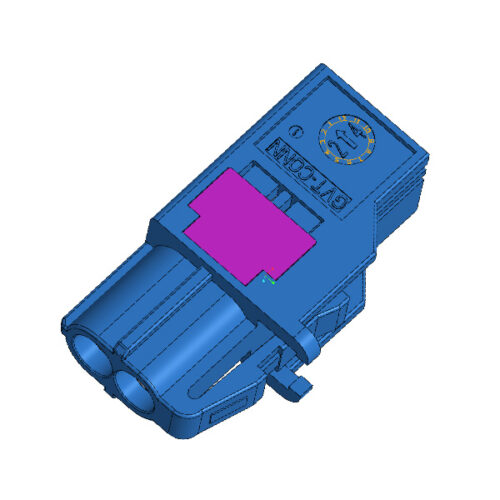
Automotive MINI Fakra High-Speed 2Pin Female To Fakra Male Z Code Connector
-
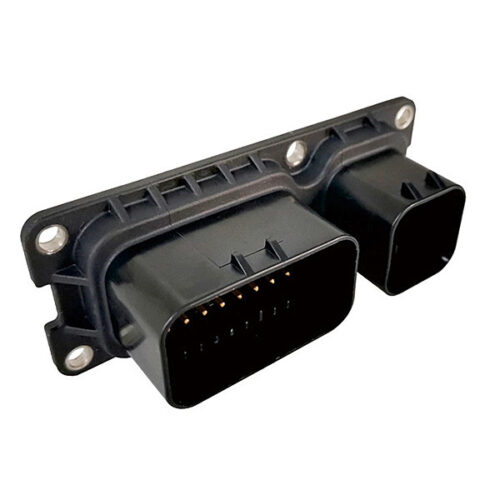
Combination connector-31 core (8+23) socket
-
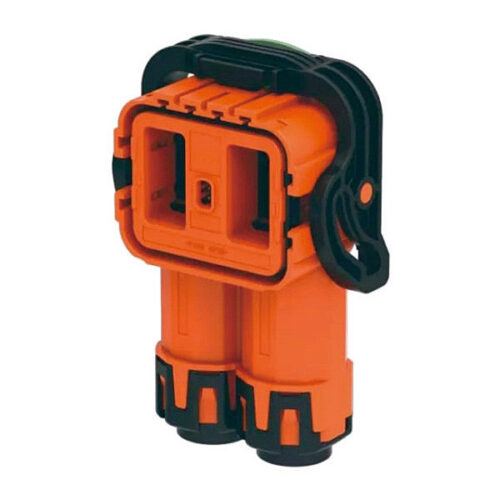
High voltage connector-2000 series-(2 core)
-
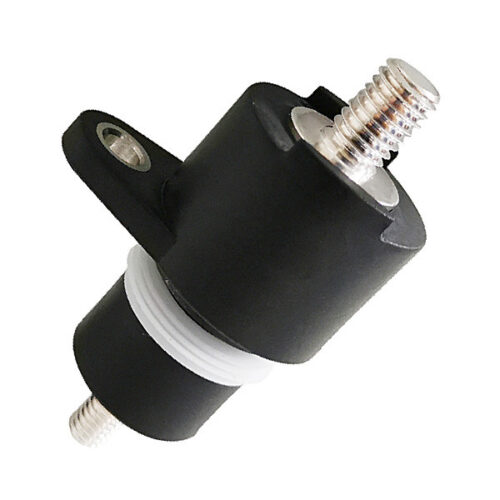
GH Series-DCDC Wall Terminal – Double Thread
-
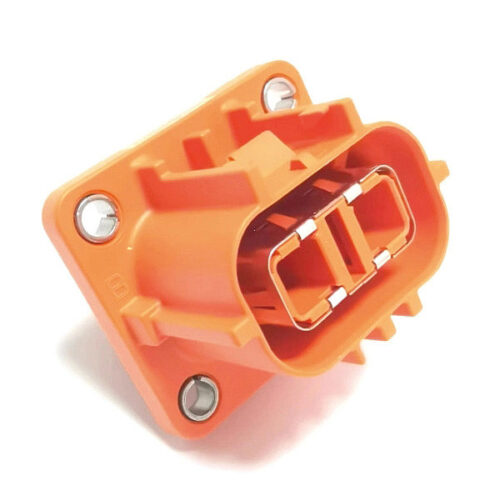
High voltage connector (2 cores)
-
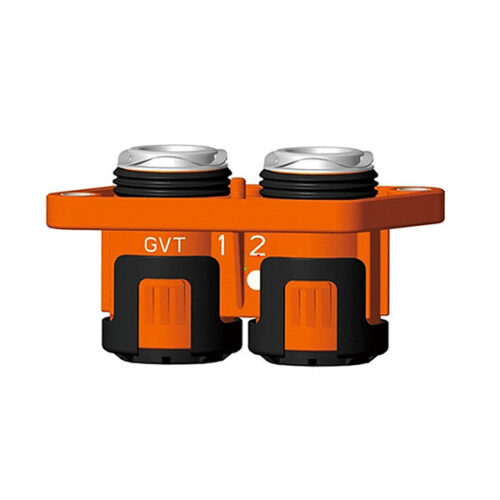
GIPT two-core wiring connector
-
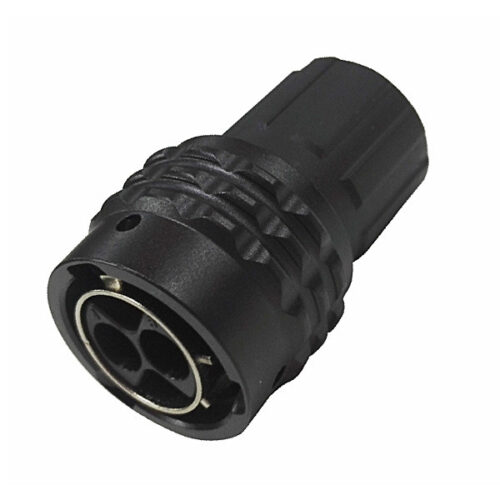
GR Series-2-core 12# circular signal connector
-
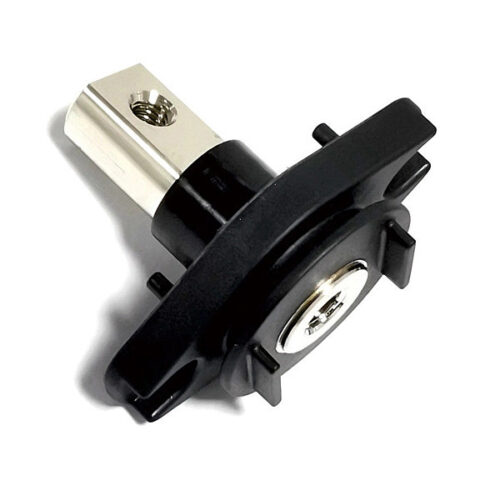
DCDC wall-through terminal