
Connector manufacturer
Connector manufacturer
Automotive Hybrid Connectors: The Key Component to Solve Power Transmission Challenges in Hybrid Vehicles
The automotive industry’s pivot towards electrification is not a single leap but a spectrum of transitions. At the forefront of this evolution stands the hybrid vehicle, a sophisticated melding of internal combustion and electric propulsion. This dual-heart architecture promises enhanced efficiency and reduced emissions, but it creates a profound engineering paradox: how to seamlessly and safely manage the transmission of two fundamentally different types of power within a single, compact vehicle platform. The solution to this paradox lies not in the grandiose components like battery packs or electric motors, but in the critical, often overlooked nexus points that join them: automotive hybrid connectors. These are the unsung heroes, the specialized gatekeepers designed specifically to solve the unique and severe challenges of power transmission in hybrid vehicles.
The Hybrid Power Dilemma: A Tale of Two Systems
To appreciate the innovation behind hybrid connectors, one must first understand the distinct power regimes they must bridge:
- High-Voltage, High-Current Direct Current (DC): This is the domain of the traction battery and the electric motor(s). Voltages typically range from 100V to 400V (with newer platforms pushing to 800V), and currents can surge to hundreds of amps during acceleration or regenerative braking. This power is lethal, requires absolute isolation, and generates significant resistive (I²R) heat.
- Low-Voltage, High-Complexity Alternating Current (AC) and Signals: The traditional 12V system powers lights, infotainment, and critical control units. Furthermore, the power inverter module (PIM) generates multi-phase AC to drive the motor, requiring connectors for complex, high-frequency switching signals. Dozens of low-voltage data buses (CAN, LIN, Ethernet) carry the vital communication that orchestrates the entire powertrain.
The hybrid connector’s core mission is to enable the robust, efficient, and safe flow of this high-voltage power while simultaneously integrating the low-voltage control and data signals necessary to manage it. This is a multi-dimensional challenge encompassing electrical, thermal, mechanical, and safety domains.
Deconstructing the Challenges: What Hybrid Connectors Must Overcome
The power transmission challenges in a hybrid vehicle are severe and interconnected:
- The Safety Imperative: Containing Lethal Energy
The primary challenge is absolute safety. High-voltage DC is unforgiving; any exposure due to poor insulation, accidental disconnection, or corrosion can be fatal. Connectors are the most frequent points of access and thus the first line of defense. They must incorporate fail-safe designs that prevent human contact with live terminals during mating, unmating, and throughout the vehicle’s lifetime, even after years of vibration and thermal cycling.
- Managing Extreme Thermal Loads
Power transmission is inefficient; losses manifest as heat. A connector carrying 150A at a resistance of just 1 milliohm generates 22.5 watts of heat at the interface alone. In the confined, hot underhood environment (where temperatures can exceed 125°C), this heat must be effectively dissipated. Conversely, the connector must remain functional and sealed in Arctic cold (-40°C), where materials contract and become brittle.
- Combating High-Current Degradation
Sustained high current, coupled with thermal cycling, can degrade the connection interface through phenomena like fretting corrosion (micro-movement wearing away plating) and stress relaxation (loss of contact spring force). This increases resistance, creating more heat—a vicious cycle leading to terminal meltdown and catastrophic failure.
- Ensuring Electromagnetic Compatibility (EMC)
The high-current, fast-switching signals in the inverter and motor create powerful electromagnetic interference (EMI). This electrical “noise” can easily radiate from cable harnesses and corrupt sensitive sensor and control signals running nearby. Connectors must act as shields, containing this EMI to prevent malfunctions in safety-critical systems like braking or steering.
- Withstanding a Harsh Mechanical Environment
Automotive connectors are subjected to constant vibration, shock from road impacts, and exposure to fluids (fuel, oil, coolant, road salt). They must maintain perfect electrical contact and environmental sealing through a vehicle’s 10+ year lifespan, which may involve over 5,000 mating cycles for serviceable connections.
The Engineering Solutions: How Automotive Hybrid Connectors Triumph
High-performance hybrid connectors are not merely adapted from standard automotive parts; they are ground-up innovations featuring layered solutions to each challenge.
- Multi-Tiered Safety Architecture
- HVIL (High Voltage Interlock Loop): This is the cornerstone of safety. The connector integrates a low-current circuit that runs through its housing. When the connector is fully and correctly mated, this loop is closed. If the connector is disconnected even slightly, the loop breaks before the high-voltage pins separate, sending an instant signal to the vehicle control unit to depower the entire high-voltage system.
- Sequential Mating: Design ensures that the protective earth (PE) pins make first and break last, guaranteeing the system is always grounded before power is connected.
- Touch-Proof Design: Terminals are deeply recessed within insulating shrouds, making it physically impossible for a human finger or tool to contact live metal.
- Advanced Materials Science for Thermal and Electrical Performance
- Terminals: Made from high-conductivity copper alloys (like tellurium or beryllium copper) plated with silver or selective gold. Silver offers excellent conductivity and superior performance at high temperatures compared to standard tin plating, minimizing resistance and heat generation.
- Housings: Engineered from high-temperature thermoplastics like Polyphthalamide (PPA) or Polyphenylene Sulfide (PPS). These materials retain structural integrity and dielectric strength at continuous temperatures above 150°C and resist chemicals like glycol-based coolants.
- Seals: Silicone or fluorosilicone elastomers are used for their stable sealing properties across the extreme temperature range and resistance to aging.
- Precision Contact Physics
The heart of reliable power transmission is the contact interface. Hybrid connectors employ sophisticated designs:
- Hyperboloid or Multi-Finger Contact Designs: These provide multiple, redundant points of contact between male and female terminals, ensuring a low and stable resistance even if one contact point degrades. The geometry maintains high normal force, resisting vibration-induced fretting.
- High Normal Force: Robust spring designs ensure substantial contact pressure, which breaks through surface oxides and ensures a low-resistance metallic interface.
- Integrated Thermal and EMI Management
- Thermal Dissipation: Connector housings may be designed with cooling fins or integrated thermal pads that transfer heat to the vehicle chassis or a cooling plate. Some advanced designs even incorporate liquid cooling channels within the connector body for ultra-high-current applications.
- 360-Degree Shielding: Connectors feature full metallic shells or are coated with conductive paints/plastics. Combined with shielded cables, they create a continuous Faraday cage that traps EMI radiation at its source, preventing interference with other vehicle systems.
- Robust Mechanical and Sealing Design
- Multi-Stage Locking: Primary locks hold terminals in the housing. Secondary locks (TPA) and connector position assurances (CPA) ensure the complete assembly cannot vibrate apart.
- IP6K9K Sealing: This rating guarantees complete protection against dust ingress and high-pressure, high-temperature water jets, ensuring reliability in all weather conditions and wash-down scenarios.
The System View: Connectors Enabling Hybrid Architectures
The role of these connectors becomes clear when mapped to key hybrid subsystems:
- Battery Pack Connections: Large, high-current connectors join modules, link to the main disconnect, and connect the pack to the PIM. They are the critical junctions for the vehicle’s primary energy store.
- Inverter-to-Motor Connections: These connectors handle the high-current, multi-phase AC output from the inverter. They must manage not just high power but also the high-frequency switching noise associated with pulse-width modulation (PWM).
- DC-DC Converter Connections: This unit steps down high-voltage DC to 12V for the auxiliary system. Its connectors manage significant power in a compact space, often located in thermally challenging areas.
- On-Board Charger (for PHEVs): Connectors here must handle grid-level AC input and converted DC output, requiring robustness for frequent consumer use and exposure to external elements.
The Future: Towards Smarter, More Integrated Connectors
As hybrids evolve into plug-in hybrids (PHEVs) and increase in power density, connectors are becoming more intelligent and integrated:
- Smart Connectors with Integrated Sensors: Future connectors will embed micro-sensors to monitor temperature, current, and contact resistance in real-time, enabling predictive maintenance and providing data for active thermal management systems.
- Further Miniaturization with Higher Performance: The push for more power in less space will drive the development of connectors using new materials like liquid crystal polymer (LCP) and even more advanced contact designs.
- High-Voltage, High-Speed Data Integration: As zonal architectures emerge, connectors will need to transmit both kilowatts of power and gigabits of data (via Automotive Ethernet) through the same or adjacent ports, demanding unprecedented levels of integration and EMI shielding.
Conclusion
The automotive hybrid connector is a masterpiece of multidisciplinary engineering. It is a component where the precision of a microchip meets the robustness of a structural element. By solving the intricate challenges of power transmission—safely containing lethal voltages, managing immense thermal loads, preserving signal integrity, and surviving a lifetime of mechanical abuse—these connectors make the very concept of a reliable, safe, and efficient hybrid vehicle possible.
They are the silent, critical linchpins in an ecosystem of power. Without their specialized performance, the seamless handshake between the internal combustion engine and the electric motor would be fraught with danger and unreliability. In the grand narrative of automotive electrification, hybrid connectors play a definitive role: they are the essential, enabling technology that allows two disparate worlds of power to unite, paving a practical and powerful road toward a cleaner automotive future. Their continued evolution will remain fundamental to unlocking the next generation of hybrid and electric vehicle performance.
For more about automotive hybrid connectors: the key component to solve power transmission challenges in hybrid vehicles, you can pay a visit to Gvtong at https://www.gvtong.net/ for more info.
-
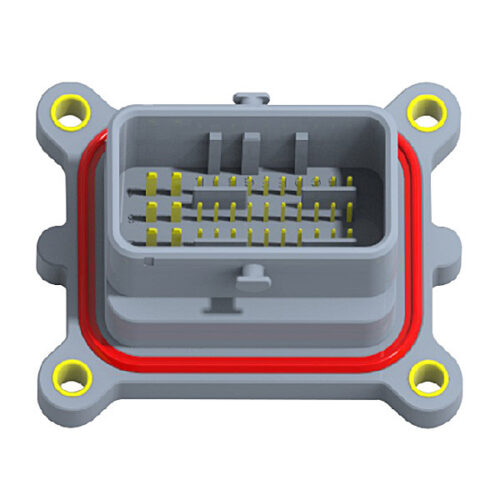
GE Series-48-core Low Voltage Connector-Socket+Plug
-
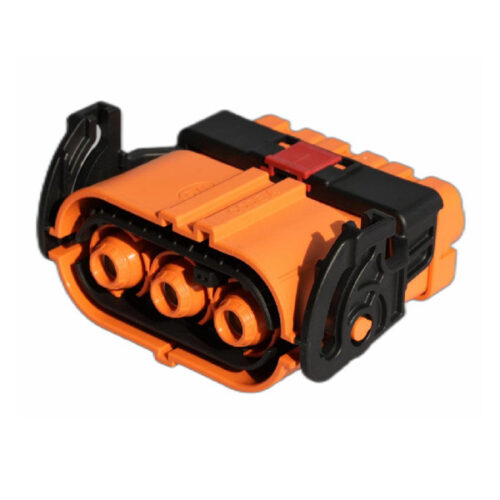
GH800 Series-3-core plastic high voltage connector
-
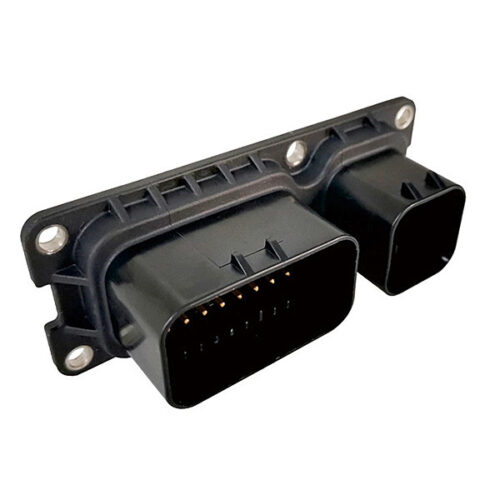
Combination connector-31 core (8+23) socket
-

Wiring harness for medical equipments
-
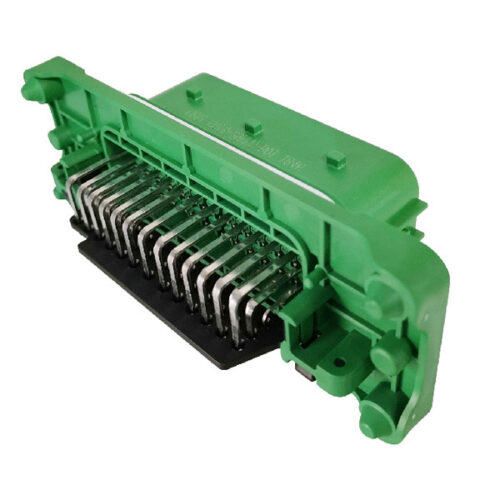
GE Series-39-core rectangular connector-socket
-
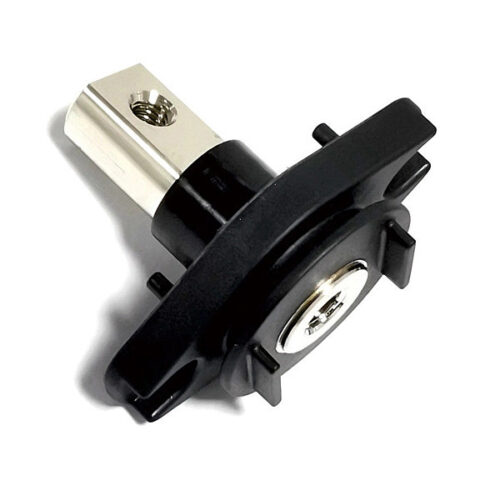
DCDC wall-through terminal
-
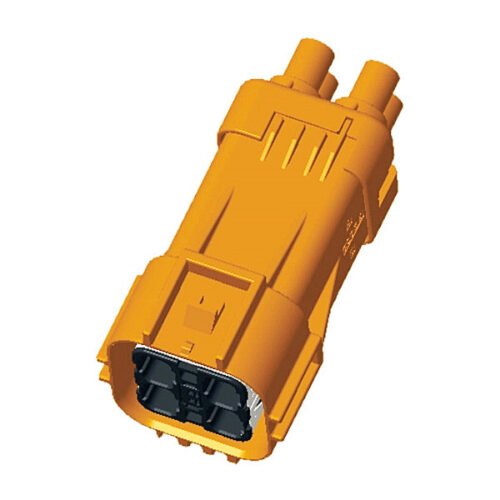
High voltage connector-GH630 series-4P
-
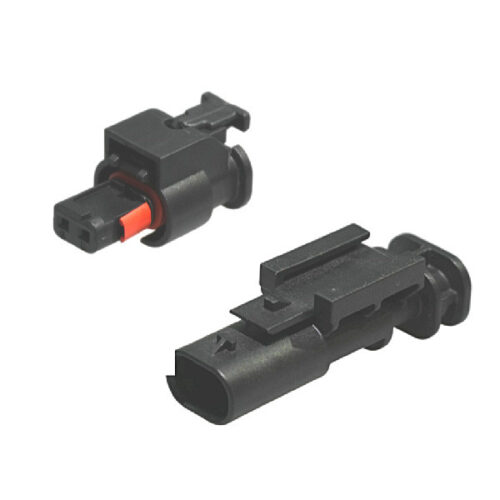
GE Series-2-core cylinder connector