
Connector manufacturer
Connector manufacturer
How to Solder vs. Use Crimp Connectors for Car Wiring: A Guide to Lasting Connections
The lifeblood of any modern vehicle is its wiring harness. A complex network of copper veins carries signals for everything from engine management to power windows. When installing a new stereo, adding auxiliary lights, repairing a damaged loom, or embarking on a full restoration, you inevitably face a critical decision: solder or crimp? This debate ignites passionate opinions in garages and online forums. The truth, as with most engineering choices, is that neither method is universally superior. Each has its rightful place, governed by the application, environment, and required durability. This guide dives deep into the technical merits, pitfalls, and best practices for both soldering and crimping in the demanding world of automotive electronics.
Part 1: The Case for Crimp Connectors – Engineered for Consistency
Crimping is the process of using a specialized tool to mechanically compress a metal crimp connector (terminal) around a wire, creating a cold weld through controlled deformation. In the automotive industry, crimping is the undisputed king of mass production and is the standard for OEM (Original Equipment Manufacturer) harnesses.
The Advantages of Crimping:
- Consistency and Reliability: When performed with the correct, calibrated tool for the specific terminal, a crimp creates a gas-tight connection. This means the deformed metals fuse at a microscopic level, preventing oxygen and moisture ingress that can lead to corrosion. This consistency is nearly impossible to beat manually with solder.
- Vibration Resistance: A properly executed crimp connection is incredibly resistant to vibration—the primary enemy of automotive wiring. The connection is a single, homogenous metallic mass that flexes with the wire. It does not become brittle.
- Speed and Efficiency: For repairs and assembly, crimping is fast. No heat, no flux, no waiting for joints to cool. This is crucial in professional settings and for complex looms.
- Standardization: The Society of Automotive Engineers (SAE) and other bodies have strict standards for terminal design, wire gauge, and crimp dimensions. This ensures interoperability and reliability across the industry.
- Serviceability: Connectors are designed to be disconnected and reconnected. This is vital for diagnosing faults, replacing sensors, or removing components.
The Pitfalls of Crimping (and How to Avoid Them):
- The Tool is Everything. Using pliers, a hammer, or a generic hardware store crimper is a recipe for failure. These create weak, incomplete crimps that will loosen and overheat.
- Solution: Invest in a quality ratcheting crimper with interchangeable dies matched to your terminal type (e.g., insulated, non-insulated, Weather Pack). The ratchet ensures a complete crimp cycle every time.
- Terminal and Wire Gauge Mismatch. Using a red (22-18 AWG) terminal on a 16 AWG wire will not form a proper connection.
- Solution: Always match the terminal color/size to the wire gauge precisely. Use a wire stripper with marked gauge holes.
- Improper Crimp Placement. Crimping on the insulation instead of the conductor, or only crimping one of the two required crimp wings (one for the conductor, one for the insulation strain relief), leads to pull-out.
- Corrosion. Standard open-barrel terminals are not waterproof.
- Solution: For under-hood or exposed applications, use sealed connectors (like Delphi Weather Pack or Deutsch DT) which include a gel seal and a rubber grommet that creates an environmental seal around the wire.
Part 2: The Art of Soldering – Creating a Permanent Bond
Soldering creates a metallurgical bond by melting a filler metal (solder) into the gap between two tinned copper surfaces. The result is a continuous electrical path. For many DIYers, a soldered joint feels like the ultimate, permanent connection.
The Advantages of Soldering:
- Excellent Electrical Conductivity: A well-soldered joint has very low resistance, theoretically lower than a crimp, as it creates a monolithic metal structure.
- Permanent and Robust (When Done Right): A proper solder joint wicks into the stranded wire, creating strong mechanical and electrical integrity. It is excellent for splicing wires where a connector is not needed or for terminating wires to custom components like relays or circuit boards.
- No Specialized Connectors Needed: For simple butt splices or T-taps, solder and heat shrink can be more compact and less expensive than buying a array of specialized connectors.
- Superior for Repairs to Existing Soldered Joints: On factory circuit boards or module repairs, soldering is the only option.
The Pitfalls of Soldering Car Wiring (and How to Avoid Them):
- The Dreaded “Cold Solder Joint”: This is the #1 cause of soldering failure. It occurs when the solder doesn’t flow properly due to insufficient heat, movement during cooling, or contamination. It looks dull, crystalline, and crumbly, and has high resistance, causing heat buildup and eventual failure.
- Brittleness and Vibration Failure: Solder is an alloy (typically tin/lead or tin/copper/silver) and is inherently less malleable than copper. The transition from the flexible wire to the rigid solder joint creates a stress concentration point. Under constant automotive vibration, the wire can fatigue and break right at the edge of the solder “wick.”
- Solution: Never solder and leave a rigid joint. Always provide strain relief. The best method is to stagger splices, solder them, and then cover with adhesive-lined heat shrink tubing, which grips the wire insulation on both sides, immobilizing the splice.
- Heat Damage: Applying excessive heat for too long can melt wire insulation, damage sensitive components upstream, or compromise the temper of the copper.
- Solution: Use a temperature-controlled iron (around 600-700°F / 315-370°C), apply heat to the workpiece (the wire), not the solder, and work quickly. Use helping hands or clips to hold wires.
- Corrosion: Acid-core solder (for plumbing) is disastrous for electronics. Even with rosin-core solder, the flux residue can be corrosive over time and attract moisture.
- Solution: Use only rosin-core electronics solder (60/40 or 63/37 tin/lead for general use, or lead-free SAC alloys). Clean the joint with isopropyl alcohol after soldering to remove flux residue before applying heat shrink.
Part 3: Head-to-Head Comparison & Best Practices
| Feature | Crimp Connection (Properly Done) | Solder Connection (Properly Done) |
| Primary Strength | Mechanical deformation | Metallurgical bond |
| Vibration Resistance | Excellent (flexes with wire) | Poor (creates a stress riser) unless fully strain-relieved |
| Environmental Seal | Excellent with sealed connectors | Excellent with adhesive heat shrink |
| Initial Electrical Conductivity | Very Good | Excellent |
| Long-Term Reliability | Excellent, if sealed | Good to Excellent, if strain-relieved |
| Ease of Installation | Very Fast with correct tool | Slower, requires skill & tools |
| Serviceability | Excellent (modular) | Permanent (must be cut) |
| Skill Factor | Low (with correct tool) | Moderate to High |
| Cost | Medium (tool + terminals) | Low (iron + solder) |
Best Practices for Crimping:
- Strip to the correct length specified for the terminal.
- Use the correct die in a ratcheting crimper.
- Insert fully: The wire should be visible in the inspection window of the terminal.
- Crimp firmly: The tool should ratchet and release.
- Tug test: Give the wire a firm pull to ensure it’s locked in.
- Seal it: Always use adhesive-lined heat shrink over the connector or use pre-sealed connectors for wet locations.
Best Practices for Soldering:
- Strip, twist, and tin the wires lightly.
- Use a splice method: Lineman’s splice (wires twisted together) or a staggered splice for multiple wires.
- Apply heat to the joint, then feed the solder onto the wire, not the iron. It should flow like water.
- Let it cool completely without movement.
- Clean with isopropyl alcohol.
- Seal and Strain-Relieve: Apply adhesive-lined heat shrink that bonds to the insulation on both sides of the joint.
Part 4: Real-World Application Guide – Which to Choose and When
Choose CRIMP Connectors For:
- Any connection that may need to be disconnected: sensors, ECUs, light assemblies, dash components.
- High-vibration areas: engine-mounted components, loom runs along the chassis.
- Following OEM repair procedures: Manufacturers specify crimp-and-seal repair kits.
- When you have the correct tool. If you don’t, buy or borrow one.
- Multi-wire connectors: Repinning a damaged plug is the only professional way.
Choose SOLDER & Heat Shrink For:
- Repairing damaged wires within a sealed section of loom where adding a bulky connector is impractical.
- Custom electronics fabrication: building a harness from scratch for a race car, audio system, or accessory where you control the routing and strain relief.
- Permanent splices in low-vibration, protected areas (e.g., inside the dashboard, behind the headliner).
- When maximum conductivity is critical for very high-current, low-voltage applications (e.g., competition audio power cables, where every millivolt drop counts). Even here, proper strain relief is non-negotiable.
Conclusion
The solder vs. crimp connectors should not end with a single victor. The intelligent automotive technician or enthusiast understands that both are essential tools in the wiring arsenal.
The Golden Rule: A poor crimp is better than a poor solder joint, but a perfect crimp is hard to beat for automotive use.
For most under-hood, chassis, and modular repairs, invest in a quality ratcheting crimper and sealed connector systems. This is the method engineered for the automotive environment. For permanent, custom work, or repairs where a connector is impractical, master the art of soldering and always, always follow it with proper adhesive-lined heat shrink tubing for sealing and strain relief.
Ultimately, the “best” connection is the one that is correctly executed for its specific purpose, will survive the brutal environment of a moving vehicle, and ensures your car’s electrical system remains safe and reliable for miles to come.
For more about how to solder vs. use crimp connectors for car wiring: a guide to lasting connections, you can pay a visit to Gvtong at https://www.gvtong.net/ for more info.
-
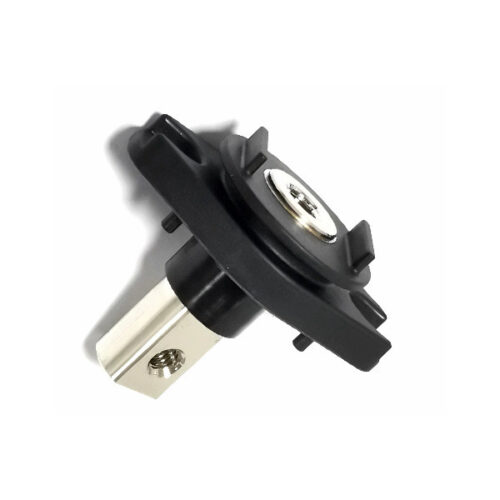
GH Series-DCDC Through-the-Wall Terminal
-
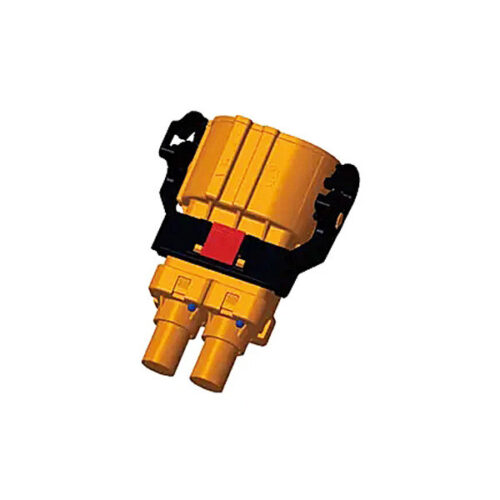
High voltage connector-GH800 series-2 core
-
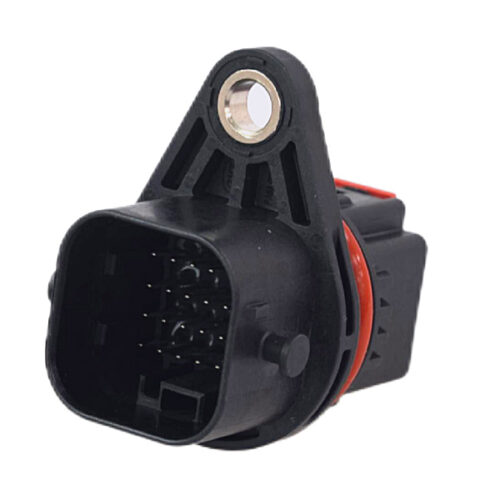
GE Series-24-core cylinder connector
-
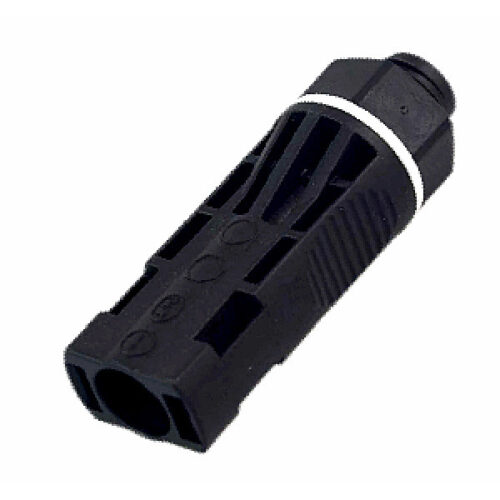
Photovoltaic connector – Board end socket
-
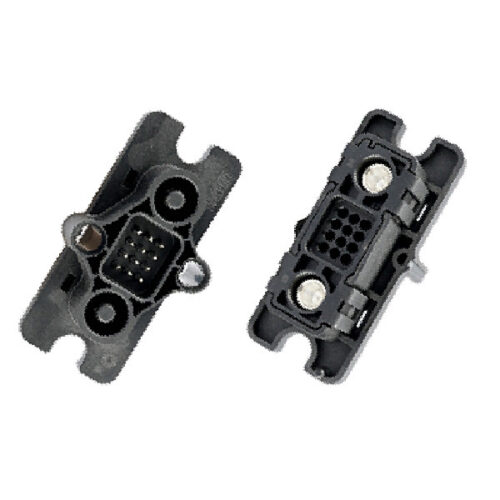
GF Series-2+12 Floating Connector
-
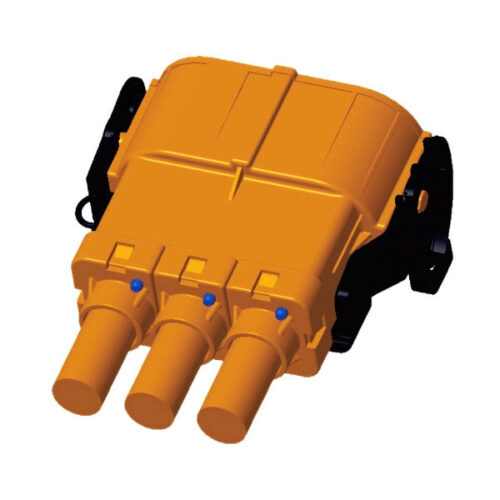
High voltage connector-GH800 series-3 core
-
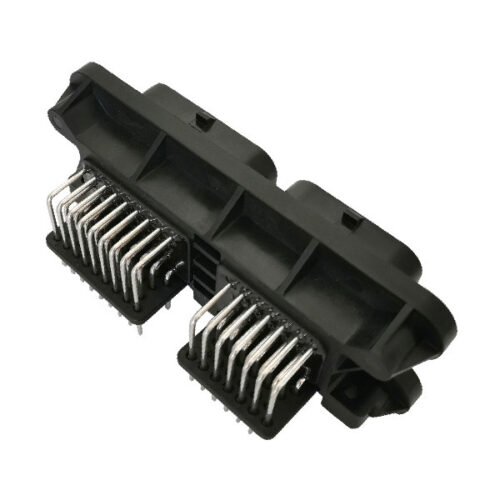
GE Series – 60-core (34+26) combined connector-socket
-
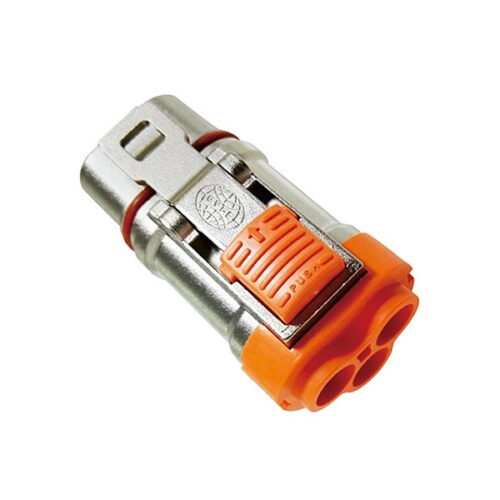
Metal connector-3.6mm-2 core