
Connector manufacturer
Connector manufacturer
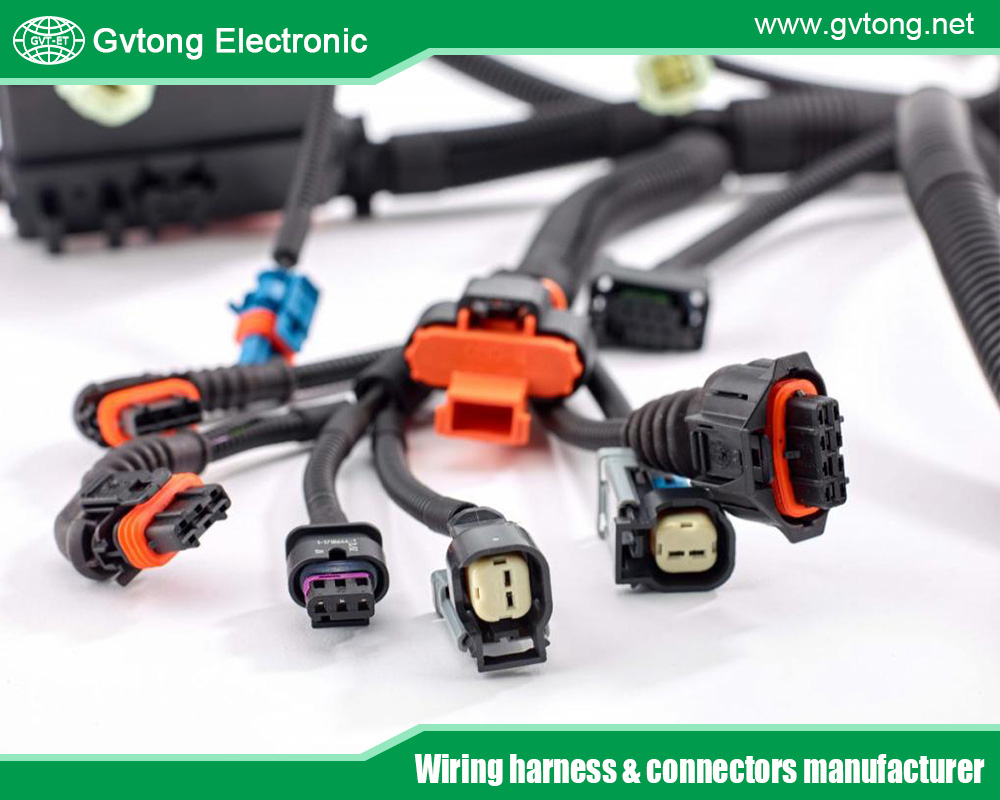
The Nervous System of the Modern Vehicle-How Hybrid Connectors Power Automotive Innovation
The modern automobile is undergoing a revolution, transforming from a purely mechanical machine into a sophisticated, software-defined electronic ecosystem. At the heart of this transformation lies a silent, often overlooked enabler: the hybrid automotive connector. These are not your grandfather’s simple plugs and sockets. They are the critical, high-tech junctions where power, data, and signal converge, forming the central nervous system of next-generation vehicles. Understanding how hybrid connectors work is key to understanding the future of the automotive industry itself.
From Simple Wires to Complex Nervous Systems
Traditionally, vehicles relied on vast, separate wiring harnesses—one for high-power functions like headlights and starters, another for low-power signals like sensors, and perhaps separate coaxial cables for early infotainment systems. This approach, while functional, led to a tangled web of cables, increased weight, complex assembly, and heightened risk of electromagnetic interference (EMI). As cars evolved to incorporate advanced driver-assistance systems (ADAS), electric powertrains, and immersive digital cockpits, this Balkanized approach became unsustainable.
Enter the hybrid connector. Its core function is integration. It consolidates multiple types of electrical contacts—handling high current, high-speed data, and sensitive low-voltage signals—into a single, sealed housing. This consolidation simplifies architecture, reduces weight and space, enhances reliability, and crucially, manages the complex interplay of energy and information that defines the modern car.
Deconstructing the Hybrid Automotive Connector: Key Components and Functions
A hybrid connector is a masterpiece of miniaturized, multi-disciplinary engineering. Its operation can be understood by examining its internal components and how they handle different types of signals.
- Power Contacts: The Muscles
- Role: These are the workhorses, designed to carry the high currents required for electric vehicle (EV) battery packs, electric motors, onboard chargers, and high-power heating elements. In a hybrid electric vehicle, they also manage the substantial energy flow between the internal combustion engine, electric motor, and battery.
- How They Work: Power contacts are large, robust pins and sockets, often made from copper alloys with high conductivity and mechanical strength. They feature substantial cross-sectional areas to minimize resistance and heat generation. To handle currents that can exceed 200 amps, they may employ specialized designs with multiple contact points or spring-loaded systems to ensure maximum surface area connection and prevent overheating due to poor contact.
- High-Speed Data Contacts: The Optic Nerves
- Role: These contacts transmit the immense volumes of digital data required by cameras, radar, LiDAR sensors, and high-resolution displays. They form the backbone of ADAS and infotainment networks, using protocols like Ethernet (e.g., 100BASE-T1 or 1000BASE-T1), which is becoming the standard in-vehicle network.
- How They Work: High-speed data contacts are delicate, precisely engineered pairs (differential pairs) that must maintain consistent impedance and be shielded from external “noise.” They work by transmitting rapidly oscillating electrical signals. The connector housing carefully separates these pairs from power contacts to prevent crosstalk—where power signals induce noise in data lines, corrupting the precious information stream.
- Coaxial Contacts: The Specialized Sensory Pathways
- Role: Dedicated to radio frequency (RF) signals, coaxial contacts are used for GPS antennas, cellular (5G/4G) connectivity, and keyless entry systems. They provide shielding far superior to standard data lines for these specific frequencies.
- How They Work: A coaxial contact has a central signal pin surrounded by a concentric cylindrical shield. This design confines the electromagnetic field to the space between the center conductor and the shield, preventing signal leakage and protecting against external interference. In a hybrid connector, these are integrated as discrete, shielded sub-assemblies.
- The Housing and Shielding: The Skull and Armor
- Role: The housing does far more than just hold the contacts. It provides mechanical locking (often with an audible “click” to ensure mating), environmental sealing, and crucially, electromagnetic compatibility (EMC).
- How It Works: Made from durable, often glass-filled thermoplastics, the housing is engineered with a metalized coating or integrated metal shells. This creates a Faraday cage effect, encapsulating the entire connector. This cage prevents internal electromagnetic emissions from escaping (which could disrupt other vehicle electronics) and blocks external EMI (from motors or radio towers) from entering and corrupting the signals within. This is non-negotiable for safety-critical systems like autonomous braking.
- Sealing and Robustness: The Immune System
- Role: Automotive connectors must survive a hostile environment: temperature extremes (-40°C to +125°C), vibration, humidity, and exposure to fluids like gasoline, brake fluid, and road salt.
- How It Works: Multiple sealing stages are employed. Individual contacts may be sealed within their cavities (post-sealing), and a primary seal (often a silicone gasket) protects the entire interface where the two connector halves mate. This IP (Ingress Protection) rating, typically IP6K9K (dust-tight and protected against high-pressure, high-temperature water jets), is standard. Vibration resistance is achieved through secure locking mechanisms and contact designs that maintain electrical continuity even under constant shaking.
The Symphony of Signals: How Integration Creates Synergy
The true genius of the hybrid connector is not just in housing disparate elements, but in managing their interaction. Consider a single connector leading to an exterior camera used for lane-keeping assist:
- Power Contact: Delivers 12V to power the camera’s heater (for defrosting) and its internal processor.
- High-Speed Data Contacts: Carry a gigabit Ethernet stream sending raw video data to the central computer.
- Low-Voltage Signal Contact: Might carry a simple “camera on/off” command from the domain controller.
- Shielded Housing: Ensures the weak video signal is not drowned out by electromagnetic noise from nearby power cables or the electric power steering motor.
All these functions occur simultaneously, reliably, and within a package not much larger than a traditional power-only connector.
The Design and Manufacturing Challenge
Creating these components is extraordinarily complex. Engineers must perform intricate 3D electromagnetic simulations to model crosstalk and optimize contact placement. Thermal simulations are critical to ensure power contacts don’t overheat and affect adjacent temperature-sensitive data lines. The precise molding of plastic around metal shields and the assembly of micro-contacts require advanced, automated manufacturing to ensure the consistency and reliability demanded by the automotive industry’s “zero-defect” philosophy.
Future-Proofing Mobility: The Role in EV and Autonomous Driving
Hybrid automotive connectors are foundational to two key megatrends:
- Electrification: In EVs, they are the vital link in the high-voltage (400V or 800V) traction system, managing kilowatts of power while also transmitting battery management system (BMS) data and safety signals. Their reliability is directly linked to vehicle range, performance, and safety.
- Autonomy: Level 3+ autonomous driving requires a massive, real-time exchange of data from sensors (cameras, radar, LiDAR) to central computers and then to actuators (steering, braking). This sensor fusion is only possible with robust, high-bandwidth, and interference-free connections—the exact mandate of advanced hybrid connectors.
Conclusion
The hybrid automotive connector is a microcosm of the vehicle’s evolution. It is a precision electromechanical device that solves the fundamental challenge of the digital car: moving immense energy and immense information in parallel, within the harshest of environments, for the lifetime of the vehicle. It reduces weight, saves space, improves reliability, and enables the complex architectures that make features like over-the-air updates, driver monitoring, and vehicle-to-everything (V2X) communication possible. As we advance toward software-defined, electric, and increasingly autonomous vehicles, the humble connector has risen from a simple link to a central, intelligent nexus. It is, quite literally, the point where the physical and digital worlds of the automobile fuse together, making it one of the most critical components in shaping the future of mobility.
For more about the nervous system of the modern vehicle-how hybrid connectors power automotive innovation, you can pay a visit to Gvtong at https://www.gvtong.net/ for more info.
-
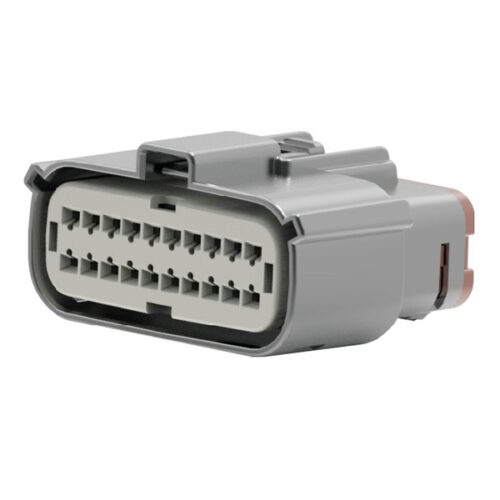
GE Series-20-core Low Voltage Connector
-
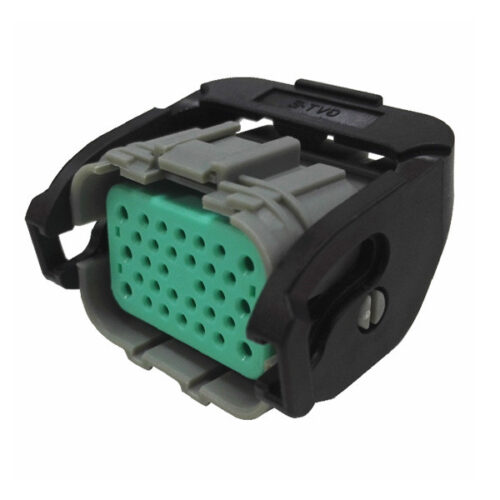
GE Series-32-core rectangular connector
-
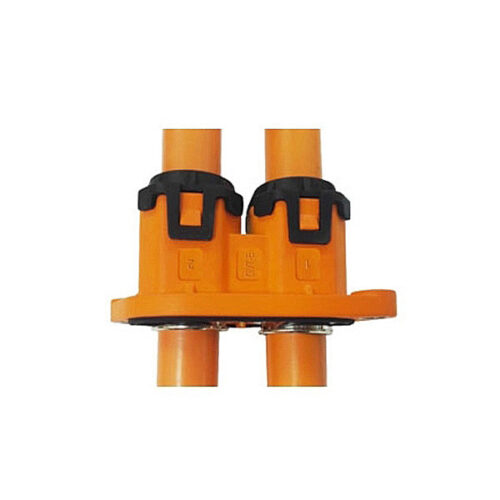
Automotive 2-Core Plastic Via Connector Automotive Connector 2 Pin 2.8mm 23A Straight Socket Plastic Shell
-
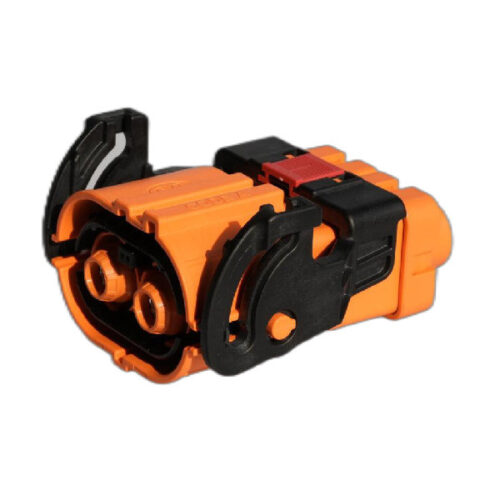
GH800 Series-2-core plastic high voltage connector
-
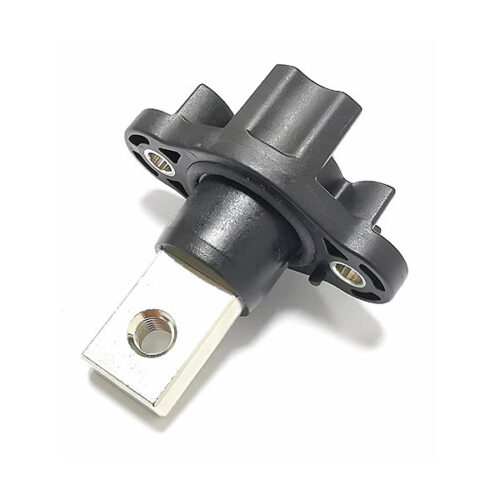
DC terminal
-
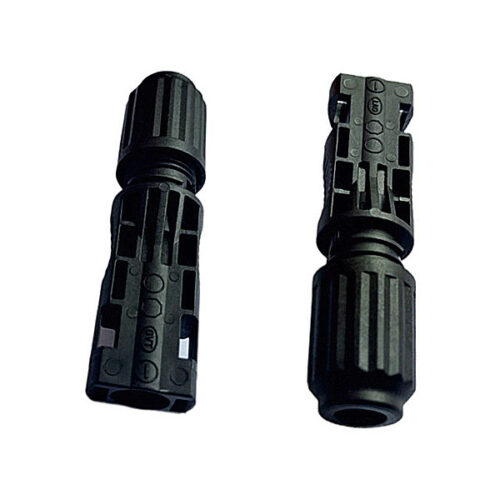
Photovoltaic Connector-Line End Socket
-
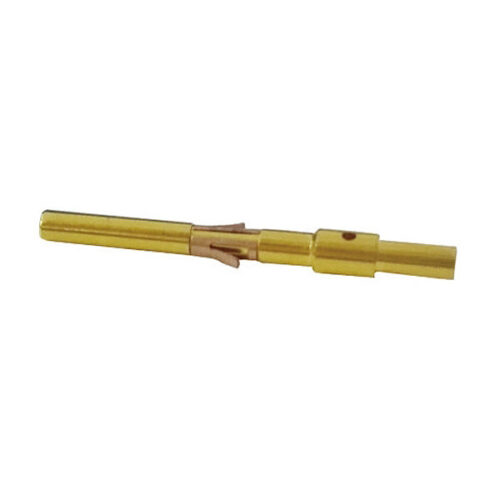
1.0mm signal jack
-
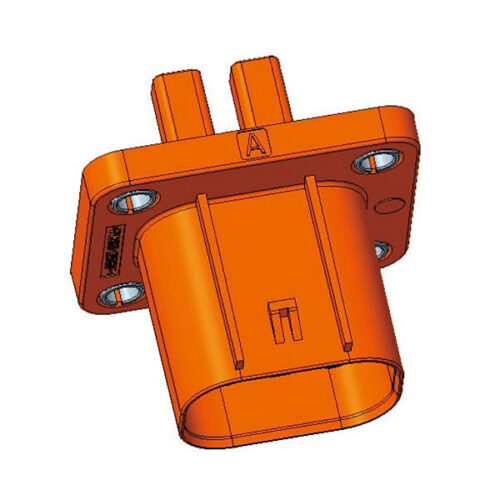
High voltage connector-2 core