
Connector manufacturer
Connector manufacturer
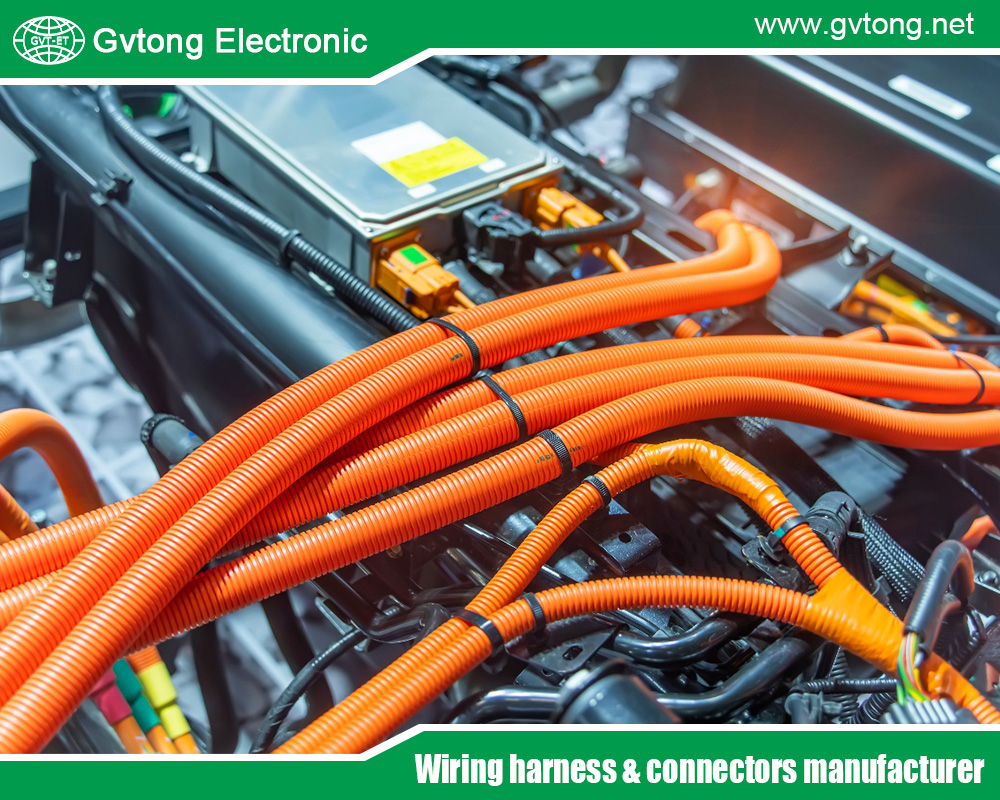
The Silent Guardians of Mobility-Demystifying the Automotive Electrical Connector
In the intricate ballet of a modern automobile, where thousands of electronic signals and substantial electrical power flow every second, a single, ubiquitous component ensures this symphony performs without a missed beat: the electrical connector. Often hidden behind panels, under dashboards, or within engine bays, these unassuming devices are the critical nodes of a vehicle’s central nervous system. Far more than simple plugs and sockets, automotive electrical connectors are feats of precision engineering designed to survive a hostile environment while guaranteeing flawless communication and power delivery. Understanding how they work is to understand the fundamental architecture of contemporary vehicle electronics.
The Core Mission: Reliable Connection in a Hostile World
The primary function of an automotive electrical connector is deceptively simple: to create a secure, reliable, and detachable electrical pathway between two components within a vehicle’s wiring harness. This “detachable” aspect is crucial—it allows for the modular assembly of the vehicle on production lines, enables efficient servicing, and permits the replacement of faulty parts. However, the automotive environment presents a formidable challenge. Connectors must maintain perfect electrical continuity while enduring:
- Extreme Temperatures: From -40°C in Arctic winters to over 125°C near the engine.
- Vibration and Shock: Constant movement from rough roads and engine operation.
- Chemical Exposure: Contact with fuels, oils, brake fluids, and road de-icers.
- Moisture and Contaminants: Resistance to water, dust, and dirt ingress.
- Electromagnetic Interference (EMI): Prevention of signal corruption from high-power systems.
A connector’s design is a direct response to these challenges, balancing electrical performance with rugged mechanical and environmental protection.
Deconstructing the Connector: Anatomy of a Link
A typical two-part automotive connector consists of a plug (male header) and a receptacle (female header), each comprising several key components that work in concert.
- The Terminals (Contacts): The Heart of the Connection
These are the conductive metal pins and sockets that make the actual electrical contact. Usually made from copper alloys (like brass or phosphor bronze) for optimal conductivity and spring properties, they are often plated with tin, gold, or silver to enhance corrosion resistance and maintain a low-resistance surface.
- Male Terminal (Pin): A solid or stamped pin designed to insert into the female terminal.
- Female Terminal (Socket): A receptacle designed to accept the pin. Its defining feature is a spring contact mechanism—often a cantilever beam, tuning fork, or box-style design—that flexes upon insertion to exert a consistent, prescribed force (the normal force) against the pin. This force is critical; it ensures gas-tight metal-to-metal contact, crushing through microscopic oxides and contaminants to create a low-resistance path. This spring force is also what provides the tactile “click” and the physical retention holding the terminals together.
- The Housing: The Protective Skeleton
Made from high-performance thermoplastics (like PBT, PA66, or PPS), the housing serves multiple vital functions:
- Insulation: It electrically isolates individual terminals from each other, preventing short circuits.
- Polarization and Keying: Housing shapes, guiding ribs, and keying slots ensure the plug and receptacle can only mate in the correct orientation, preventing misconnection.
- Terminal Position Assurance (TPA): Many housings feature a separate, often orange or red, locking clip or slider. Once terminals are inserted into the housing, the TPA device is engaged, locking them into their cavities and preventing them from being pushed back out (“backed out”) due to vibration or during disconnection.
- Environmental Sealing: Integrated gaskets, seals, or gel-filled barriers prevent moisture and contaminants from penetrating the connection interface.
- The Connector Position Assurance (CPA) and Locking Mechanism: The Safety Catch
This is a secondary locking device on the housing itself. After the plug and receptacle are mated, a CPA clip, lever, or slider is engaged. This physically locks the two housings together, preventing them from accidentally vibrating apart. It provides an audible and tactile confirmation of a fully seated connection, a vital check for assembly line workers and technicians. - Seals and Grommets: The Environmental Barrier
- Cavity Seals: Small rubber seals fitted around each wire where it enters the connector housing, preventing wicking of fluids along the wire strands.
- Interface Seal: A large rubber gasket that sits between the mated plug and receptacle, creating a watertight seal around the entire connection.
- Wire Seal: Often part of a unified seal design that handles both cavity and interface sealing.
The Physics of a Reliable Connection: More Than Just Touching
The working principle transcends mere physical contact. It relies on establishing and maintaining a stable gas-tight interface.
- Insertion and Wiping Action: As the male pin enters the female socket, the spring contacts deflect. This action creates a controlled sliding or “wiping” motion between the metal surfaces. This wipe scrapes away non-conductive oxide layers, sulfides, and other minute contaminants, exposing fresh, clean metal for contact.
- Normal Force and Contact Pressure: The spring’s designed deflection generates the normal force, measured in Newtons. This force, distributed over the actual microscopic contact points (asperities), creates extremely high contact pressure. This pressure ensures the metal surfaces deform slightly, increasing the real contact area and forming multiple tiny, cold-welded junctions. This is the “gas-tight” connection, impervious to oxygen and corrosion at the microscopic interface.
- Electrical Pathway: With a clean, high-pressure interface established, electrons flow from the wire crimp of one terminal, through the pin-socket contact point, and into the wire of the mating terminal. The low resistance of this junction minimizes voltage drop and heat generation (Joule heating).
The Manufacturing Link: The Crimp
A connector’s performance is only as good as its attachment to the wire. Crimping is the universally used, precisely controlled process. A metal terminal is placed into a precision die, and a stripped wire end is inserted. A tool (manual, pneumatic, or automatic) compresses the terminal’s barrel around the wire with immense force. This cold-welds the strands, creating a connection that is mechanically strong (resisting pull-out forces) and electrically superior to soldering, as it resists vibration fatigue and heat cycling better. A proper crimp ensures the electrical pathway continues seamlessly from the copper strands into the terminal.
Specialized Types for Diverse Roles
Not all connectors are created equal. The vehicle uses a hierarchy:
- Standard Rectangular Connectors: The workhorses for most in-cabin and body control functions.
- Circular Connectors: Often used for sensors (e.g., wheel speed, oxygen sensors) due to their robust sealing.
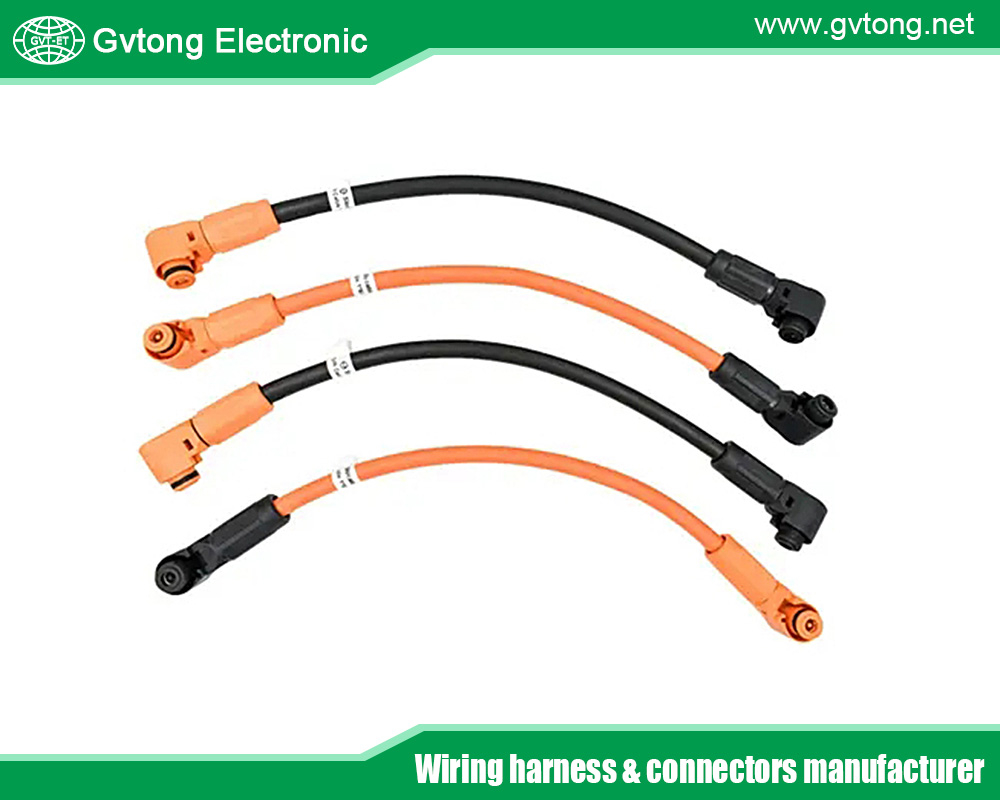
- High-Voltage Connectors (Orange): In electric and hybrid vehicles, these are large, complex connectors with sophisticated interlock and safety discharge circuits to handle 400V/800V systems. They often require a specific mating sequence to ensure no live terminals are exposed.
- Coaxial Connectors: For radio frequency signals (GPS, cellular, radio antennas), featuring a central conductor shielded by an outer conductor.
- Fiber Optic Connectors (e.g., for MOST or Ethernet): Emerging for ultra-high-speed data networks (infotainment, ADAS), transmitting light pulses through glass or plastic fibers, immune to EMI.
Conclusion
The humble automotive electrical connector is a masterpiece of compromise—between conductivity and strength, between modularity and security, between miniature size and immense durability. Its silent, flawless operation underpins every modern vehicular function: from starting the engine and lighting a tail lamp to enabling the split-second decisions of automatic emergency braking and processing terabytes of data for autonomous driving.
As vehicles evolve into software-defined, fully electric, and increasingly autonomous platforms, the demands on connectors will only intensify. They will need to carry higher power, transmit data at multi-gigabit speeds, integrate active cooling, and become even more compact and reliable. The ongoing evolution of this foundational component is not merely a matter of incremental engineering; it is a prerequisite for the next great leaps in mobility. In the grand architecture of the automobile, the connector is both the humble brick and the essential mortar, quietly enabling the electronic revolution on wheels.
For more about the silent guardians of mobility-demystifying the automotive electrical connector, you can pay a visit to Gvtong at https://www.gvtong.net/ for more info.
-
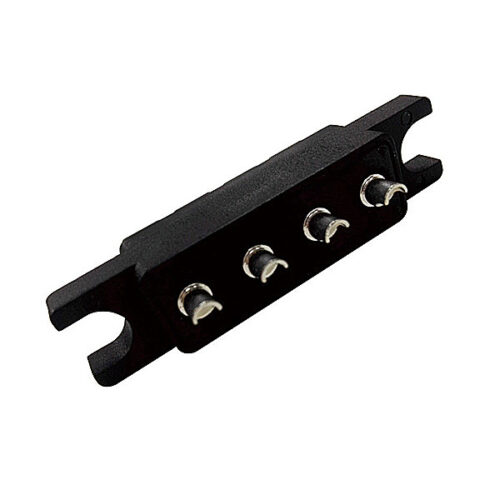
11-pin power connector
-
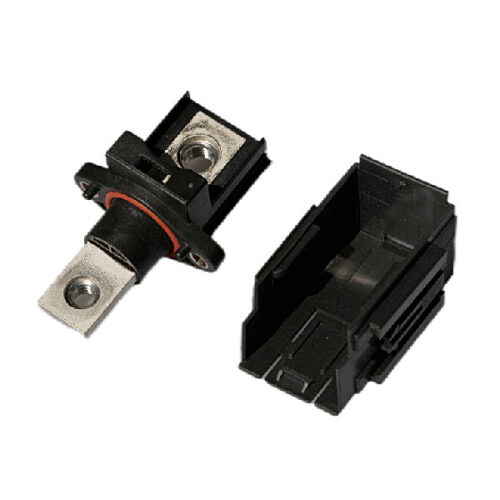
GH Series – DCDC Through-Wall Terminal Block – With Protective Cover
-
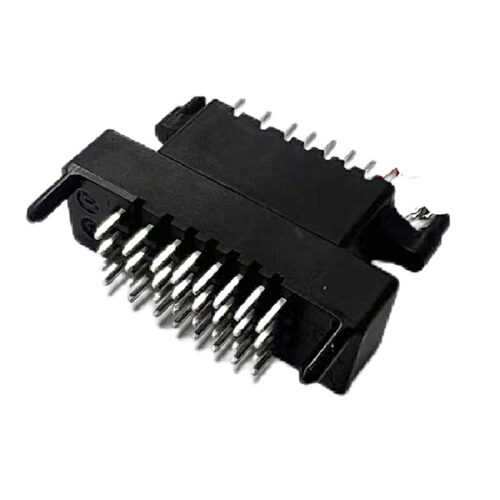
GE Series-32pin signal connector
-
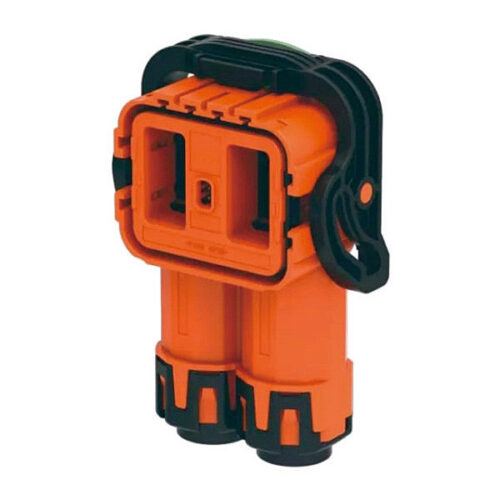
High voltage connector-2000 series-(2 core)
-
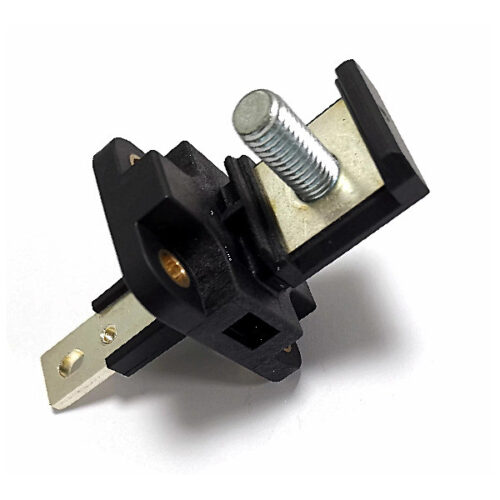
GH Series-DCDC Through-the-Wall Terminal B
-
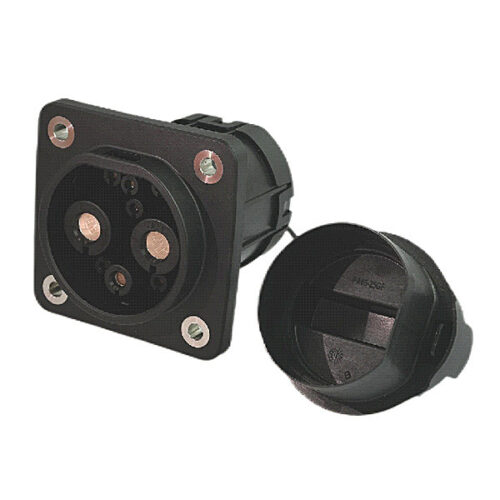
DC charging socket
-
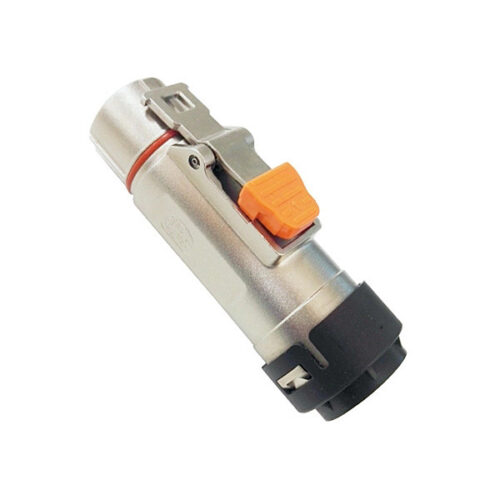
Straight metal connector-10mm-single core
-
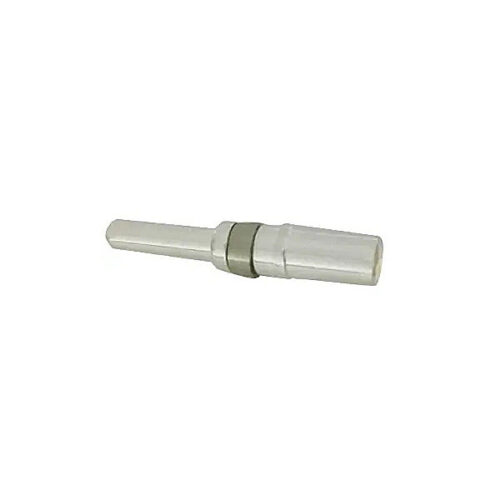
3.0 wire spring pin (crimping 2.5 square wire)