
Connector manufacturer
Connector manufacturer
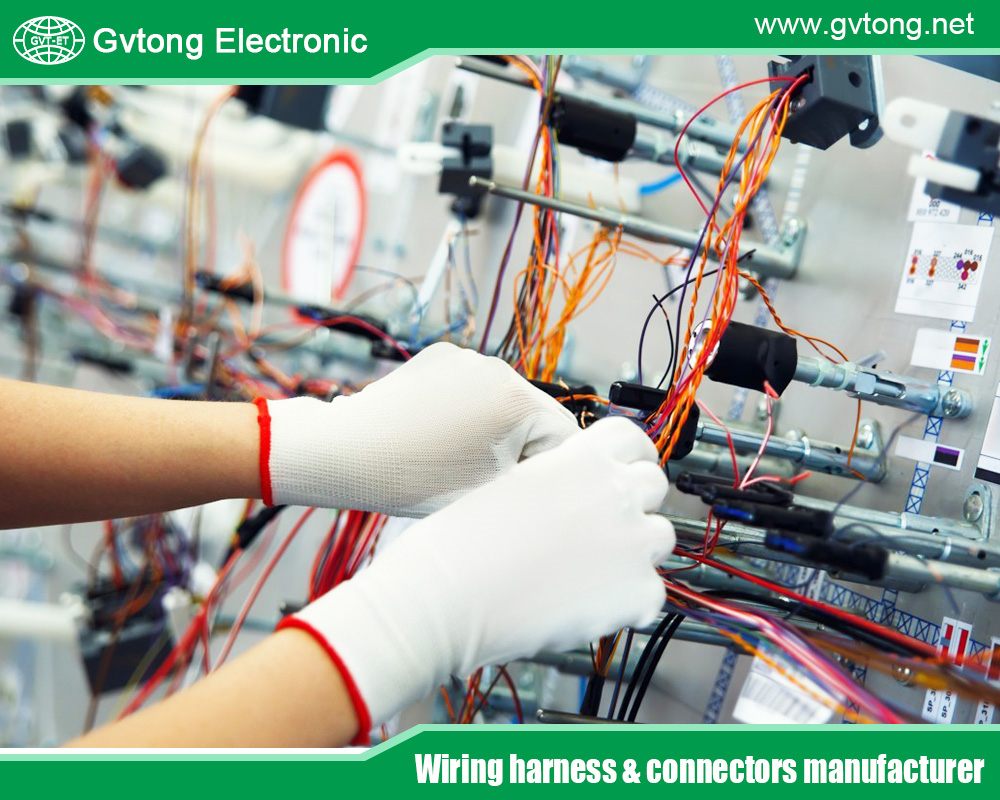
High-Performance OEM Automotive Electrical Wiring Connectors: The Unsung Nervous System of Precision Vehicle Electronics
The modern automobile is no longer merely a mechanical conveyance; it is a sophisticated, rolling network of advanced electronics. From the silent hum of an electric vehicle’s (EV) powertrain to the instantaneous calculations of an advanced driver-assistance system (ADAS), every function is governed by a symphony of sensors, control units, and actuators. At the heart of this digital ecosystem lies a critical, yet often overlooked, component: the automotive electrical wiring connectors. Far more than simple plastic and metal junctions, today’s high-performance Original Equipment Manufacturer (OEM) connectors are precision-engineered lifelines, ensuring the integrity, reliability, and speed of every electronic signal and power transfer. Their evolution is fundamental to the automotive industry’s shift towards electrification, autonomy, and connectivity.
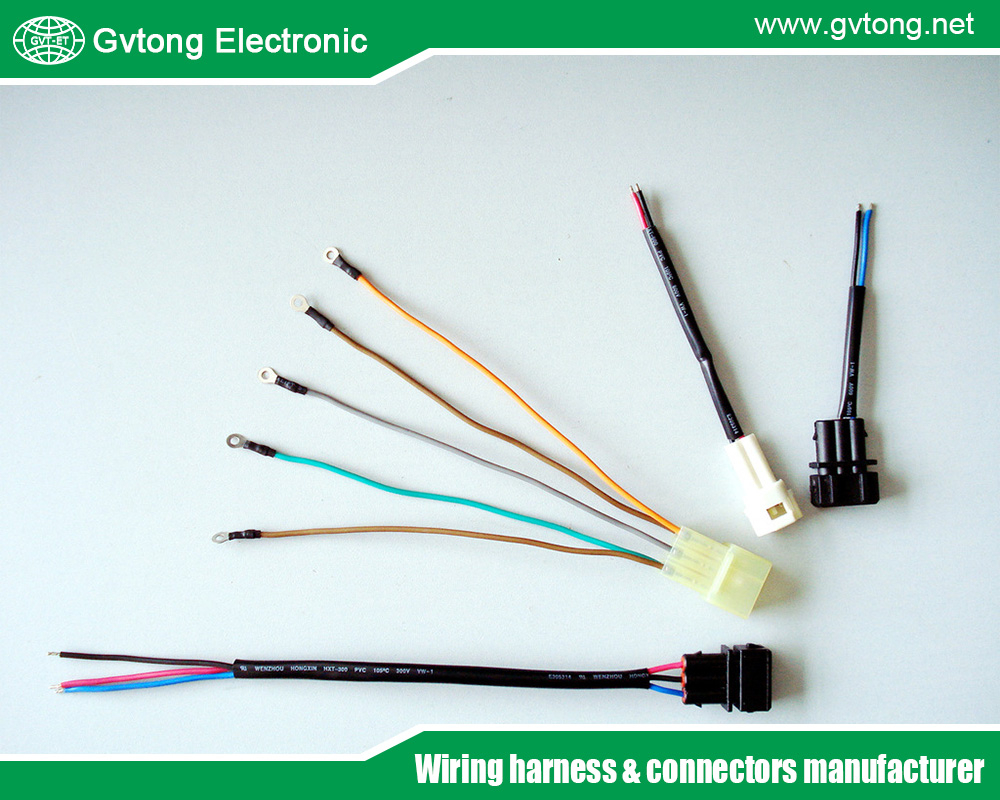
The Shifting Landscape: Why Connectors Are No Longer an Afterthought
Historically, automotive electrical wiring connectors were designed for basic electrical distribution—lighting, ignition, and simple switches. The demands were relatively low: moderate temperature ranges, low current loads, and minimal data transmission. The advent of electronic fuel injection and early infotainment systems began to change the game, but the current revolution is of a different magnitude.
Three mega-trends have catapulted connector technology to the forefront of automotive design:
- Vehicle Electrification: The transition to hybrid, plug-in hybrid, and battery electric vehicles (BEVs) introduces extreme high-voltage (400V, 800V, and beyond) and high-current pathways. Connectors here must manage immense power for propulsion and fast charging while guaranteeing absolute safety, withstanding arcing, and managing significant thermal loads.
- Autonomous Driving & ADAS: Cameras, LiDAR, radar, and ultrasonic sensors generate torrents of high-bandwidth data that must be relayed to central computing platforms with zero latency or error. A single corrupted image frame or a delayed radar signal could have catastrophic consequences. This requires connectors capable of transmitting high-speed data protocols like Automotive Ethernet (up to 10 Gbps and beyond), while resisting electromagnetic interference (EMI).
- Digitalization and Connectivity: The “software-defined vehicle” relies on pervasive internal networking (Controller Area Network Flexible Data-Rate, CAN FD; Local Interconnect Network, LIN) and external cloud connectivity (5G, V2X). This exponentially increases the number of electronic control units (ECUs) and the volume of lower-speed but critical data, demanding more connection points and robust network integrity.
In this context, the humble connector has become a strategic component, directly influencing vehicle performance, safety, functionality, and manufacturability.
Anatomy of a High-Performance OEM Connector: A Multidisciplinary Feat
Designing a connector for these harsh, mission-critical environments is a multidisciplinary challenge, blending electrical, mechanical, and materials engineering.
- The Terminal: The heart of the connection. Typically made from copper alloys (brass, phosphor bronze, or high-performance beryllium copper), terminals are precision-stamped and formed, then plated with layers of tin, silver, or gold to ensure low electrical resistance, prevent corrosion, and guarantee a stable contact interface over the connector’s lifetime. The design of the contact spring—whether a box design, tuning fork, or multi-finger hyperboloid style—is crucial for maintaining consistent contact force and resilience against vibration.
- The Housing: This is the connector’s body and armor. Engineered from high-temperature, durable thermoplastics (like PBT, PPS, or LCP), it must provide secure terminal alignment, polarization (to prevent mis-mating), and robust mechanical locking. Sealing is paramount; housings integrate multiple sealing grommets, gels, and interfaces to achieve an Ingress Protection (IP) rating, often IP6K9K, safeguarding against dust and high-pressure water jets, especially in underhood and underbody applications.
- The Seal: Automotive environments are brutal—temperature cycling from -40°C to +150°C, exposure to fuels, oils, cleaning agents, and salt spray. Silicone, fluorosilicone, or thermoplastic elastomer (TPE) seals create a barrier at the wire-to-housing interface (back-seal) and the connector-to-connector interface (face-seal), preventing corrosion and short circuits.
- Secondary Locking and CPA Features: To prevent terminals from vibrating loose (a primary cause of electrical failure), connectors employ secondary locking mechanisms (Terminal Position Assurance, or TPA) that are engaged after the terminals are inserted. Similarly, Connector Position Assurance (CPA) locks ensure the mated connector pair cannot separate inadvertently. These are simple plastic features that are vital for functional safety (ISO 26262 considerations).
- Shielding: For high-speed data lines, preventing electromagnetic interference (EMI) and radio-frequency interference (RFI) is non-negotiable. Connectors for Automotive Ethernet or camera links incorporate full metallic shells or coated plastic housings with integrated shield drains. This forms a Faraday cage around the sensitive signals, ensuring data integrity in the electrically noisy automotive environment.
Key Performance Requirements: Beyond Simple Connectivity
The specifications for high-performance OEM connectors read like a manifesto for survival in an extreme world:
- Current Carrying Capacity & Voltage Rating: Must be precisely matched to the application, from milliamps for sensors to hundreds of amps for battery main contacts. Voltage ratings must exceed system nominal voltages with a significant safety margin (e.g., a connector rated for 850V in an 800V EV system).
- Contact Resistance: Extremely low and stable resistance is critical to minimize voltage drop (which saps efficiency, especially critical in EVs) and heat generation. Values are measured in milliohms.
- Vibration and Mechanical Shock Resistance: Connectors must survive the relentless shaking of a vehicle’s life. Testing involves specific frequency sweeps and g-forces (per standards like USCAR-2) to simulate years of road-induced stress without contact interruption.
- Temperature Performance: Operating and thermal cycling ranges are extreme. Materials must not become brittle when cold or soften and creep when hot, maintaining seal integrity and contact force throughout.
- Durability (Mating Cycles): Connectors in assembly plants or serviceable locations may be mated and unmated dozens of times. High-performance connectors are rated for 50, 100, or more cycles without degradation of electrical or mechanical properties.
- Miniaturization & High Density: As ECUs become more powerful and concentrated, there is relentless pressure to pack more circuits into less space. This drives the development of smaller-pitch connectors (from traditional 2.5mm down to 0.5mm or less), demanding incredible precision in manufacturing.
- Handling and Serviceability: Ergonomic designs with audible clicks, clear color-coding, and service-friendly locking levers are essential for error-free assembly in high-speed production lines and for technicians during repair.
Real-World Applications: Connectors in Action
- The EV Powertrain: Here, connectors face the ultimate test. The battery pack’s main service disconnect uses large, interlocking connectors capable of breaking 800V DC under load safely. Inside the pack, modules are interconnected with busbars and high-current connectors. The inverter, motor, and onboard charger are linked via robust, sealed, high-power interfaces.
- ADAS Sensor Suites: A front radar assembly and a surround-view camera each use a dedicated connector. It provides power, low-speed CAN communication for control, and a shielded, high-speed differential pair (e.g., FAKRA or H-MTD for automotive coaxial, or specific Ethernet types) for the raw data stream. EMI shielding is perfect, and the connector is keyed to prevent assembly errors that could misalign a sensor.
- Vehicle Domain Controllers: The central nervous system of the modern car, these powerful computers aggregate data from around the vehicle. Their connectors are a dense forest of pins, supplying power and facilitating a mix of high-speed data (Ethernet), medium-speed (CAN FD), and low-speed (LIN) networks—all in one compact housing.
The Future: Smartening the Interconnect
The next frontier is the “smart connector.” Integrating microchips or passive components within the automotive electrical wiring connector housing itself can enable:
- In-line diagnostics: Monitoring contact health, temperature, or current flow for predictive maintenance.
- Fuse-less protection: Using integrated electronic circuitry to replace bulky in-line fuses.
- Enhanced EMI filtering: Built-in capacitors or ferrites to clean power or signal lines.
- Plug-and-Play Identification: Automatically identifying and configuring attached modules or sensors.
Furthermore, sustainability is becoming a key driver. This includes designing for disassembly, using recyclable or bio-based plastics, and developing plating processes that reduce or eliminate the use of heavy metals and hazardous substances (aligning with End-of-Life Vehicle, ELV, directives).
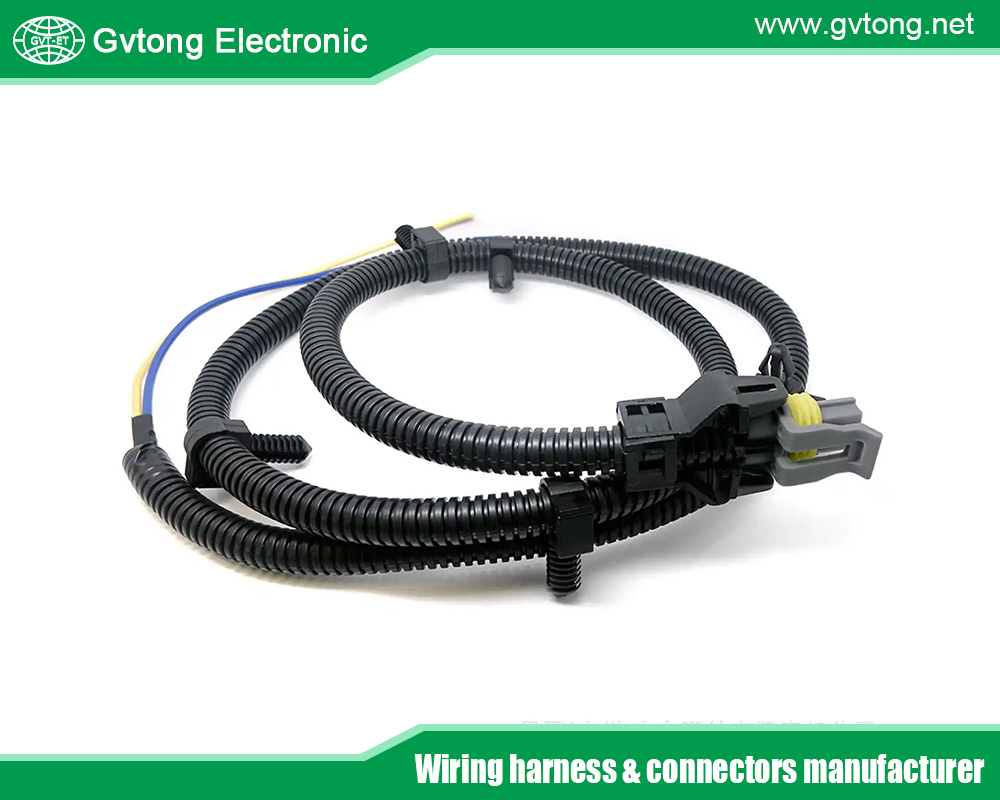
Conclusion
In the quest to build the vehicles of the future—safer, cleaner, and more autonomous—the industry’s focus rightly shines on breakthroughs in battery chemistry, artificial intelligence, and sensor technology. However, none of these innovations can function without a robust, intelligent, and utterly reliable nervous system to connect them. High-performance OEM automotive wiring connectors represent a pinnacle of precision engineering, where microscopic tolerances and advanced material science converge to create a component that is as vital as it is invisible. They are the silent enablers, the critical nexus upon which the entire architecture of modern vehicle electronics depends. As the automotive revolution accelerates, the evolution of these connectors will continue to be a fundamental chapter in the story of technological progress.
For more about high-performance OEM automotive electrical wiring connectors: the unsung nervous system of precision vehicle electronics, you can pay a visit to Gvtong at https://www.gvtong.net/ for more info.
-
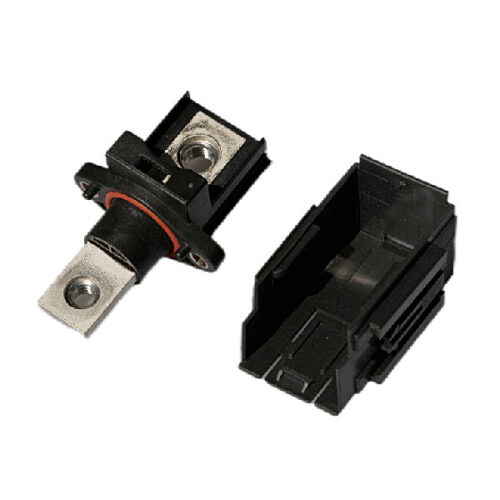
GH Series – DCDC Through-Wall Terminal Block – With Protective Cover
-
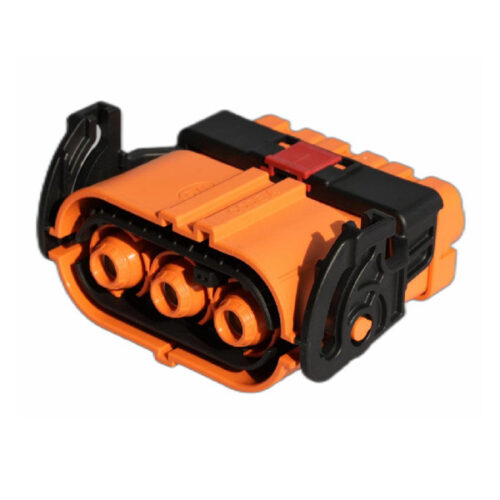
GH800 Series-3-core plastic high voltage connector
-
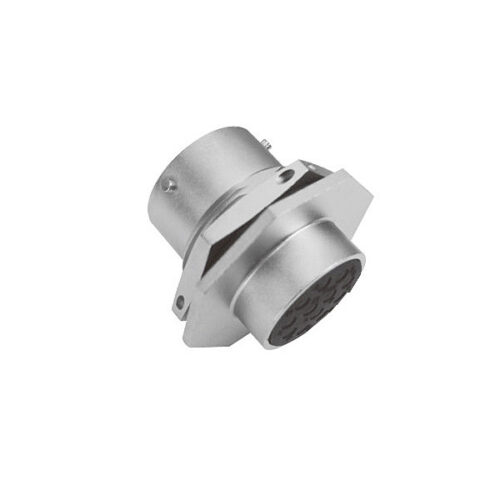
Signal connector-12 core-14#
-
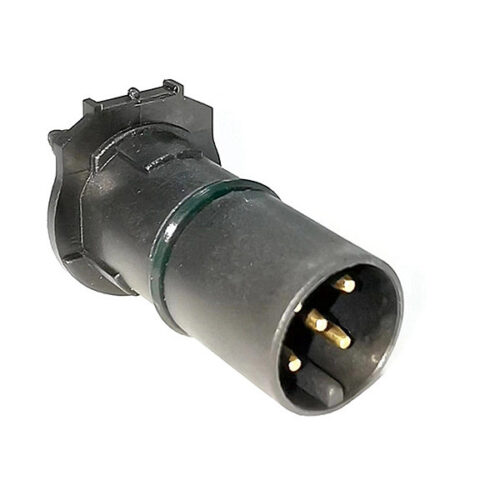
Pin connector-5 core socket
-
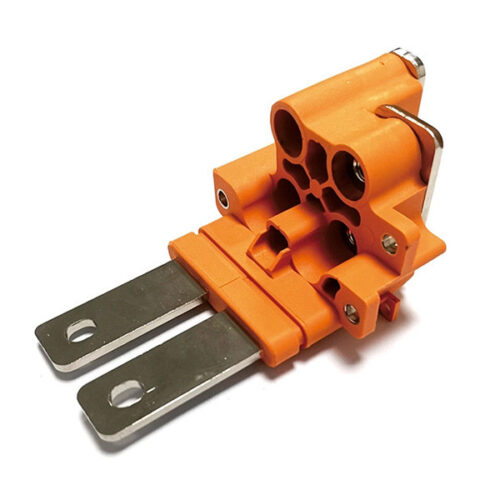
Copper bus fixing seat
-
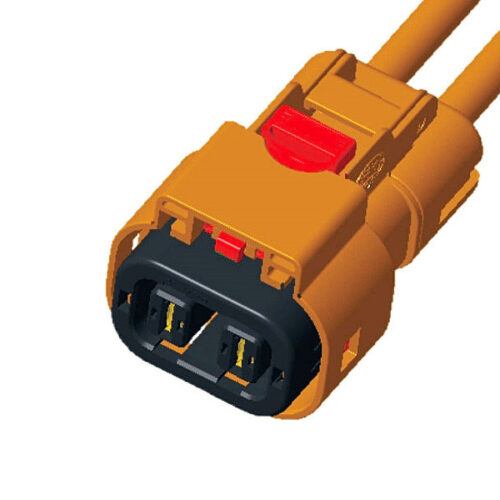
Connector plug+socket-GH630 series-2P
-
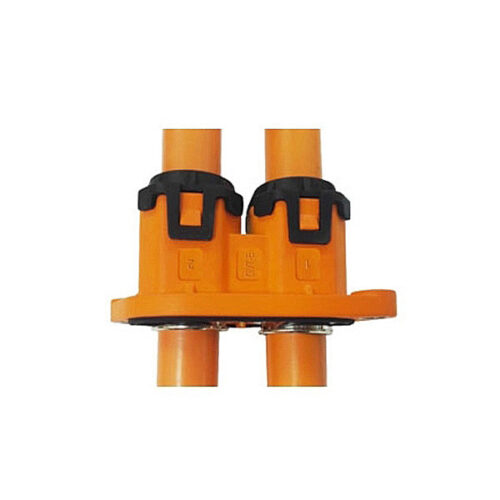
Automotive 2-Core Plastic Via Connector Automotive Connector 2 Pin 2.8mm 23A Straight Socket Plastic Shell
-
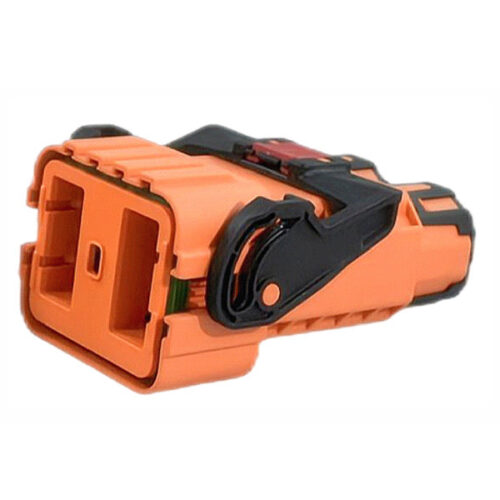
GH Series-HV6-2-core Plastic High Voltage Connector