
Connector manufacturer
Connector manufacturer
How Do Automotive Pressure Connectors Work?
The Unsung Heroes of Your Vehicle’s Fluid Systems
Beneath the hood, dashboard, and chassis of every modern vehicle lies a hidden circulatory system far more complex than a simple network of pipes. This system carries the lifeblood of the automobile—fuel, oil, coolant, brake fluid, refrigerant, and hydraulic power—under a wide range of temperatures and pressures. The integrity of this system hinges on countless connection points, and for critical, high-pressure applications, a standard clamp or threaded fitting simply won’t suffice. This is where the engineering marvel of the automotive pressure connector comes into play. These specialized components are the robust, leak-proof joints that ensure vital fluids are delivered precisely where and when they are needed, making them fundamental to vehicle performance, safety, and efficiency.
What Are Automotive Pressure Connectors?
At their core, automotive pressure connectors are coupling devices designed to join sections of tubing or hose in systems that operate under significant internal pressure. Unlike low-pressure vacuum lines or drain tubes, these connectors must withstand constant stress from fluids under pressure, dramatic temperature swings (from -40°C to +150°C), chemical corrosion, and engine vibration. Their primary mission is to create a perfect, permanent, or serviceable seal that prevents leaks, which could lead to system failure, environmental hazards, or catastrophic safety risks—imagine a brake line failing.
They are found in virtually every high-pressure fluid system:
- Fuel Systems: From the high-pressure fuel rail to injectors in both gasoline and diesel engines.
- Braking Systems: Throughout the anti-lock braking system (ABS) and electronic stability control (ESC) hydraulics.
- Power Steering: In high-pressure lines between the pump, rack, and steering gear.
- Transmission & Engine Oil Cooling: Connecting oil cooler lines.
- Air Conditioning: Within the refrigerant circuit.
- Turbochargers: In oil feed and coolant lines.
The Anatomy of a Seal: Key Components and Design Principles
While designs vary, most high-pressure connectors share fundamental components that work in concert:
- The Fitting Body: This is the main connector housing, typically made of steel, stainless steel, or specialized plastics like PPA (Polyphthalamide) for certain fuel applications. It features precision-machined ports and threads.
- The Tubing or Hose: High-pressure systems use either rigid steel or nylon tubing, or reinforced flexible hose with multiple layers (inner tube, reinforcement braid, outer cover).
- The Sealing Mechanism: This is the heart of the connector. It often involves:
- O-Rings: Made of elastomers like Viton or EPDM, seated in a machined groove. They create a static seal by being compressed between two surfaces.
- Metal-to-Metal Seals: In ultra-high-pressure applications (e.g., diesel fuel rails), a conical seat on the tubing mates precisely with a matching seat in the fitting, creating a seal through extreme radial force.
- The Retention/Clamping System: This is what holds everything together against the pressure trying to force the connection apart. This is where major connector technologies differentiate themselves.
Primary Connector Technologies and How They Work
- The O-Ring Face Seal (ORFS)
This is one of the most reliable designs for hydraulic systems (brakes, power steering). The connector features a flat face with an O-ring seated in a groove. When the mating flange is bolted tight against it, the O-ring is compressed within a confined space, creating an extremely robust seal. The flat face ensures the O-ring isn’t twisted or sheared during assembly. The retention is provided by a separate bolt or flange.
How it works: Compression creates a leak-proof barrier; mechanical bolts resist separation force.
- The Spring Lock Coupling (Quick-Connect)
Ubiquitous in fuel and A/C lines, these are designed for easy assembly and disassembly without tools. The connector consists of a male end (on the tubing) with one or more circumferential grooves and a female end containing a garter spring—a coiled spring formed into a ring. When the male end is inserted, the spring expands and then snaps into the groove, locking the two halves together. A separate O-ring inside the female body provides the fluid seal. To disconnect, you push a special collar that expands the spring, releasing the grip.
How it works: The spring provides permanent radial retention; the O-ring provides the seal.
- The Compression Fitting
Common in brake lines and some fuel lines using rigid metal tubing. It uses a ferrule (a brass or steel ring) and a compression nut. As the nut is tightened onto the fitting body, it forces the ferrule to compress radially onto the tubing, creating a cold weld-like grip. The sharp edge of the ferrule also bites slightly into the tubing, forming the primary seal.
How it works: Mechanical deformation creates both the seal and the grip.
- The ISO/Bubble Flare and JIC Fittings
Standard in brake hydraulics. Here, the seal is created not by an additional component, but by the tubing itself. The end of the steel brake line is flared using a special tool into a specific shape (a 45-degree cone for JIC, a “bubble” for ISO). This flared end mates against a corresponding conical seat in the fitting. When the flare nut is tightened, the metal-to-metal contact forms a powerful seal.
How it works: Precision-formed metal surfaces create the seal; the nut provides clamping force.
- The Clip/Gear Clamp Coupling
Used for quick-connect high-pressure fuel lines, especially on fuel rails. It features a plastic housing with integral barbed ends. A unique, specially shaped metal or plastic clip is pushed through windows in the housing, locking onto ridges on the mating spool of the fuel rail or tube. The seal is provided by an O-ring. Removal requires a special tool to release the clip’s locking tabs.
How it works: A rigid clip provides positive mechanical lock; an O-ring seals.
The Science of Sealing: Forces at Play
A successful pressure connector masterfully balances opposing forces:
- Internal Pressure Force: This is the enemy, constantly trying to push the tubing out of the fitting. The retention system (spring, clip, ferrule, flare) must have greater mechanical strength than this force.
- Clamping/Retention Force: This is the counter-force provided by the connector’s design, physically preventing separation.
- Sealing Force: This is the localized, controlled compression applied to the sealing element (O-ring, metal flare). It must be sufficient to fill all microscopic surface imperfections but not so great as to cause the O-ring to extrude or the metal to crack. This is where precision engineering and specified torque values are critical.
The Challenges: Vibration, Temperature, and Material Science
An automotive connector doesn’t operate in a lab; it exists in a harsh environment. Vibration is the most insidious challenge. A connector must not only hold tight but also resist fatigue failure. Designs like the spring lock coupling allow for some controlled movement without compromising the seal. Thermal cycling causes materials to expand and contract at different rates. The connector’s materials must be chosen for compatible thermal expansion coefficients to maintain seal compression. Chemical compatibility is non-negotiable; seal materials must resist degradation from fuel, oil, brake fluid, and refrigerant.
Evolution and the Electric Vehicle (EV) Future
The rise of Electric Vehicles is shifting, not eliminating, the need for pressure connectors. While fuel and exhaust systems disappear, new high-demand systems emerge:
- Battery Thermal Management: Coolant lines for precise temperature control of battery packs use quick-connect fittings for serviceability.
- Power Electronics Cooling: Inverters and motors require high-flow, often high-temperature, coolant circuits.
- Heat Pumps: Advanced HVAC systems in EVs use sophisticated refrigerant circuits with reliable connectors.
The demands remain: extreme reliability, zero leakage, and resilience against new types of fluids and temperature profiles.

Conclusion
Automotive pressure connectors are a triumph of focused engineering. They transform a simple point of connection into a dynamic, intelligent interface that actively resists immense pressure, violent vibration, and chemical attack. From the satisfying “click” of a fuel line quick-connect to the precision torque of a brake line flare nut, these devices embody the principle that in a modern vehicle, reliability is built one perfect seal at a time. They are silent guardians, operating unnoticed but with profound consequence, ensuring that when you press the brake pedal or demand power, the vehicle’s vital systems respond with unwavering fidelity. Their continued evolution will be key to the reliability and safety of both internal combustion and electric vehicles for decades to come.
For more about how do automotive pressure connectors work, you can pay a visit to Gvtong at https://www.gvtong.net/ for more info.
-
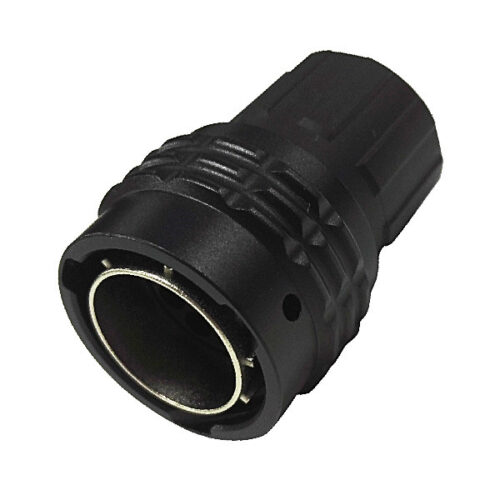
GR Series-8-core 12# circular signal connector
-
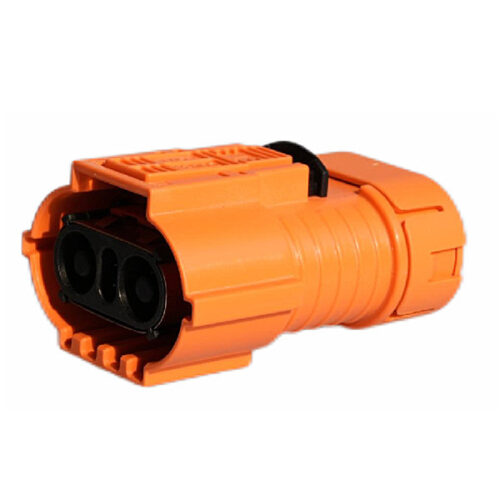
GH Serie-GMV3-2-core plastic high voltage connector
-
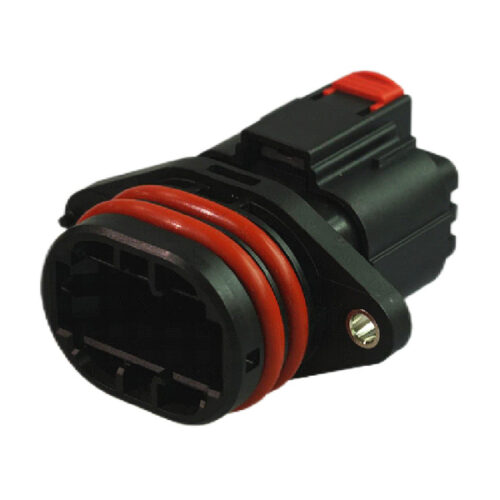
GE Series-12-core cylinder connector
-
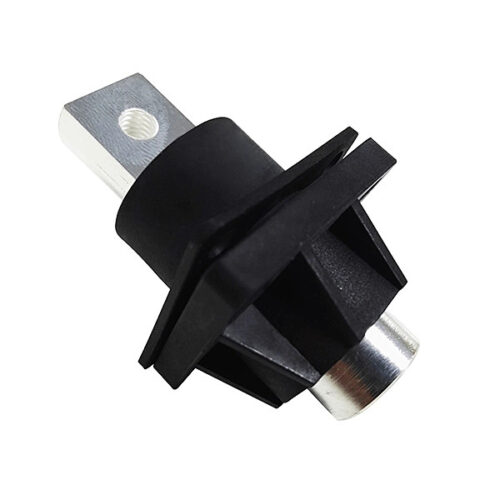
Five-in-one terminal
-
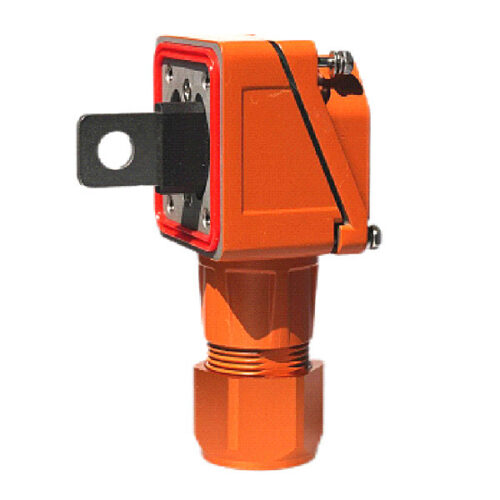
GM Series – Positive and negative junction box – inclined port
-
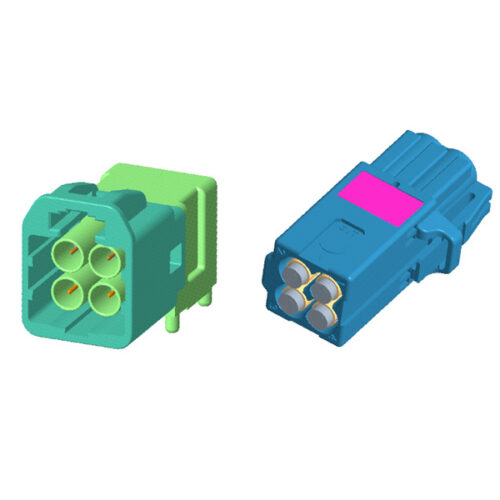
Automotive RF MINI FAKRA Four-Core Connector, Quad Port, PCB Through Hole, Right Angle, Plug, 50 Ohm
-
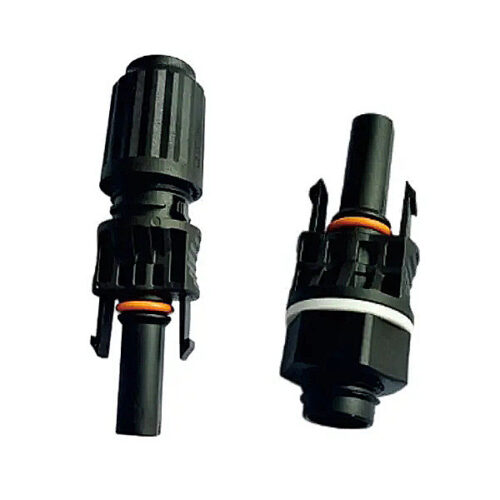
Photovoltaic connector plug
-
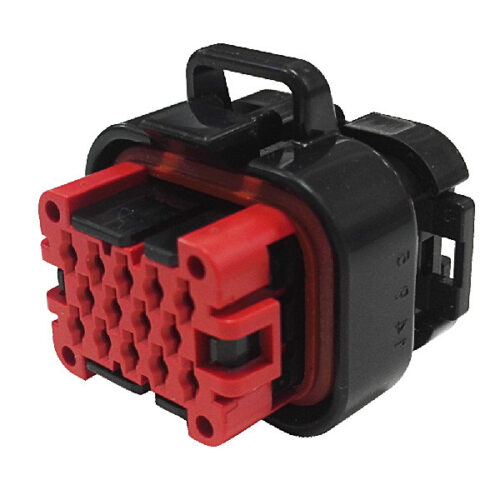
GE Series-14-core three-row signal connector