
Connector manufacturer
Connector manufacturer
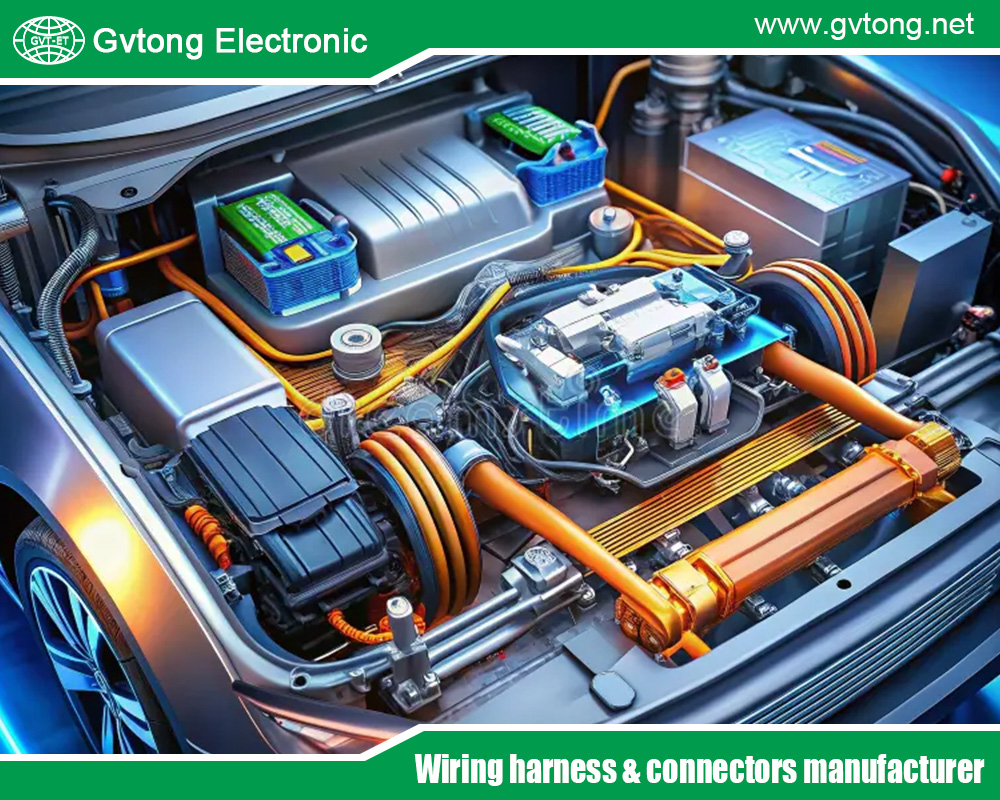
How Do High Pressure Connectors Work?
High pressure connectors, also known as high pressure fittings or couplings, are essential components in various industrial and residential systems where fluids or gases need to be transferred under extreme pressures without leakage or failure. These connectors serve as the critical links between hoses, pipes, tubes, and equipment, ensuring secure, leak-free connections that can withstand pressures often exceeding 10,000 PSI (pounds per square inch). In industries like oil and gas, aerospace, manufacturing, and even everyday applications such as pressure washers, these connectors play a pivotal role in maintaining system integrity, enhancing safety, and optimizing performance.
Understanding how high pressure connectors work is crucial for engineers, technicians, and end-users alike. They operate on principles of mechanical sealing, material strength, and precise engineering to handle the stresses of high-pressure environments. This article delves into the mechanics, types, materials, installation processes, applications, advantages, safety considerations, and leading manufacturers of high pressure connectors. By exploring these aspects, we aim to provide a comprehensive guide that highlights their functionality and importance in modern systems.
The demand for high pressure connectors has grown significantly, with the global market projected to expand from approximately 3.21 billion USD in 2024 to 5.12 billion USD by 2033, driven by advancements in materials and smart technologies. This growth underscores the need for reliable, efficient connectors in increasingly demanding applications.
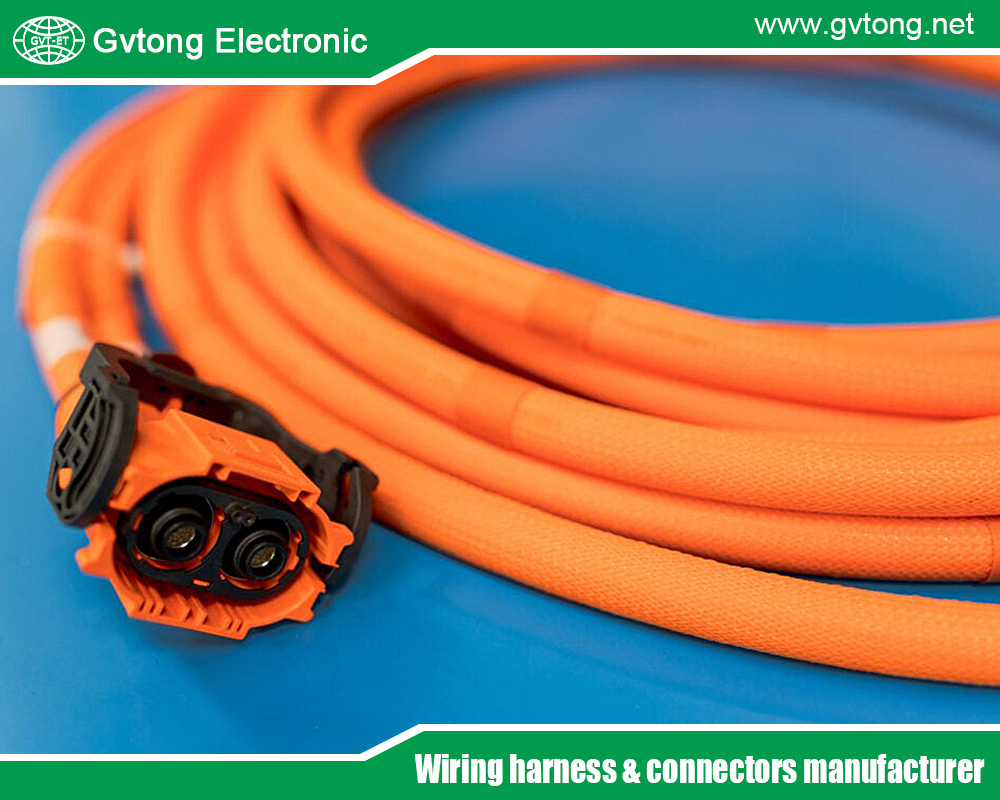
What Are High Pressure Connectors?
At their core, high pressure connectors are specialized devices designed to join sections of piping, tubing, or hoses that transport fluids or gases at elevated pressures. Unlike standard connectors, which might suffice for low-pressure scenarios, high pressure variants are engineered with reinforced structures to resist deformation, corrosion, and leaks under intense conditions. They are typically made from durable materials and incorporate sealing mechanisms that create airtight or watertight bonds.
These connectors are classified based on their design, connection method, and intended use. For instance, in pipeline systems with diameters ranging from 2 to 4 inches, they connect pipes, valves, pumps, and other equipment, often adhering to standards like ASTM, ISO, or SAE. Their primary function is to extend tubing lines, change directions, or adapt sizes while maintaining pressure integrity. Without them, systems could experience catastrophic failures, leading to leaks, explosions, or environmental hazards.
In essence, high pressure connectors act as the “bridges” in fluid transfer systems, ensuring that pressure is contained and flow is efficient. They are indispensable in scenarios where even minor leaks could result in significant downtime, safety risks, or financial losses.
Types of High Pressure Connectors
High pressure connectors come in various types, each tailored to specific applications and connection needs. Understanding these types helps in selecting the right one for optimal performance.
- Quick Disconnect Connectors: These allow for rapid connection and disconnection without tools. They consist of a male half with a protruding tip and locking tabs, and a female half with a socket. When inserted, the tabs lock into place, creating a secure seal. Ideal for hydraulic systems, pneumatic tools, and pressure washers, they minimize downtime during maintenance.
- Camlock Couplings (Cam and Groove): Featuring a male adapter with a groove and a female coupler with cam arms, these connectors secure by closing the arms, forming a tight seal. They are commonly used in agriculture, oil and gas, firefighting, and chemical processing due to their ease of use and leak-free performance.
- Flange Connectors: These involve two flanged ends bolted together with gaskets in between. They are robust for high-pressure, large-flow scenarios like petrochemical plants and offshore drilling, providing a strong, vibration-resistant connection.
- Compression Connectors: Utilizing a compression nut and ferrule, these fittings compress the ferrule against the hose or tube when tightened, creating a seal. They excel in environments with vibration, such as automotive, plumbing, and irrigation systems.
- Threaded Fittings: These use screw-like threads to twist and secure connections. They are versatile and include subtypes like couplings, elbows, tees, and nipples, which extend or redirect tubing lines.
- Barbed Fittings: Designed for soft tubing, they feature sharp barbs that dig into the tubing’s inner diameter, providing a high-pressure seal through contact.
Other types include flare fittings, which use a flared tube end for sealing, and socket-weld fittings, attached via welding for permanent connections. Each type’s selection depends on factors like pressure rating, ease of use, and environmental conditions.
Materials Used in High Pressure Connectors
The choice of material is critical for the durability and performance of high pressure connectors, as they must withstand corrosion, extreme temperatures, and chemical exposure.
- Stainless Steel: Offers exceptional strength, corrosion resistance, and longevity. It’s ideal for harsh environments involving chemicals or high temperatures, commonly used in oil and gas or chemical processing.
- Brass: Provides excellent wear resistance and is suitable for applications requiring frequent connections, like pneumatic systems. It’s cost-effective but less resistant to certain corrosives.
- Aluminum: Lightweight and corrosion-resistant, it’s used in aerospace and automotive where weight reduction is key, though it may not handle the highest pressures.
- Alloy Steels and Carbon Steel: These are chosen for their robustness in industrial settings, offering high tensile strength for extreme pressures.
- Plastics (e.g., in Harrington fittings): Used in chemical applications for resistance to specific corrosives, though less common for ultra-high pressures.
Material compatibility with the transferred fluid is paramount to prevent degradation. For instance, stainless steel is preferred in waterjet systems for its strength at pressures up to 60,000 PSI.
How High Pressure Connectors Work: Principles and Sealing Mechanisms
The working principle of high pressure connectors revolves around creating a secure seal that contains pressure while allowing fluid or gas flow. Most rely on mechanical compression or metal-to-metal contact.
In a typical setup, like in high-pressure tubing systems, the connector includes a coned tube (59-degree angle) that seats into a body cone (60-degree angle). This slight angle difference ensures contact at the tip, forming a metal-to-metal seal that withstands high pressures without relying on threads for sealing. Threads, such as left-hand for collars and right-hand for bodies, are used to force the components together.
Sealing mechanisms vary:
- Metal-to-Metal Seals: Common in high-pressure fittings, these use direct contact between surfaces for a tight joint, effective up to 60,000 PSI.
- O-Ring or Gasket Seals: Provide additional leak protection in flange or compression types, compressing to fill gaps.
- Compression Seals: Ferrules or rings deform under nut tightening to grip the tube.
For quick disconnects, locking tabs engage to secure the male and female halves. In camlocks, cam arms lever the connection tight. Weep holes are a safety feature in many designs, allowing controlled leakage to alert operators and vent pressure, preventing sudden failures. The overall mechanism ensures that pressure is contained, with energy stored in compressible fluids (like water, compressed up to 11% at high PSI) managed safely.
In operation, the connector maintains flow efficiency while resisting fatigue from cyclic loading. Autofrettage, a pre-pressurization technique, induces compressive stress to extend component life.
Installation and Maintenance
Proper installation is key to functionality. Steps include:
- Cleaning and preparing the hose or tube end.
- Inserting into the connector (e.g., until it hits the shoulder).
- Securing with crimping, clamping, or torquing to specifications.
Avoid over-tightening, which can swage tubes and restrict flow, or using sealants like Teflon tape, as they compromise metal-to-metal seals.
Maintenance involves regular inspections for wear, corrosion, or cracks. Clean and lubricate components, replace damaged parts, and pressure-test connections. Common issues like leaks from worn seals or blockages can be troubleshot by verifying compatibility and assembly. Periodic checks prevent failures, especially in cyclic environments where metal fatigue is a risk.
Applications of High Pressure Connectors
High pressure connectors find use in diverse fields:
- Oil and Gas: In pipelines, drilling rigs, and refineries for handling crude oil and gases.
- Aerospace and Automotive: In hydraulic systems, fuel lines, and turbochargers for precise control.
- Manufacturing and Chemical Processing: In presses, reactors, and cleaning equipment.
- Waterjet Cutting: For ultra-high-pressure systems up to 60,000 PSI.
- Residential: In pressure washers and garden hoses.
- Other: Hydraulic power units, chemical injection skids, and nuclear plants.
Their versatility ensures safe, efficient operations across sectors.
Advantages and Benefits
High pressure connectors offer numerous benefits:
- Leak-Proof Operation: Minimize environmental risks and downtime.
- Durability: Withstand extreme conditions, prolonging system life.
- Efficiency: Optimize fluid flow and reduce energy loss.
- Safety: Features like weep holes prevent accidents.
- Cost-Effectiveness: Reduce maintenance needs and enhance productivity.
They also support sustainability through eco-friendly materials and modular designs.
Safety Considerations
Safety is paramount. Always drain pressure before disassembly to release stored energy. Inspect for misting leaks, which indicate fatigue. Avoid plugging weep holes and ensure compatibility to prevent erosion or boiling fluid expulsion. Compliance with standards and proper training mitigate risks in high-pressure environments.
Top Manufacturers
Leading companies include Swagelok for customizable fittings, Parker Hannifin for broad ranges, Festo for innovative designs, Eaton for durability, Hose Master for stainless steel options, Stauff for corrosion resistance, Viega for precision, Harrington for plastics, New-Line for customs, and Gates for hydraulics. Choosing reputable brands ensures quality and support.
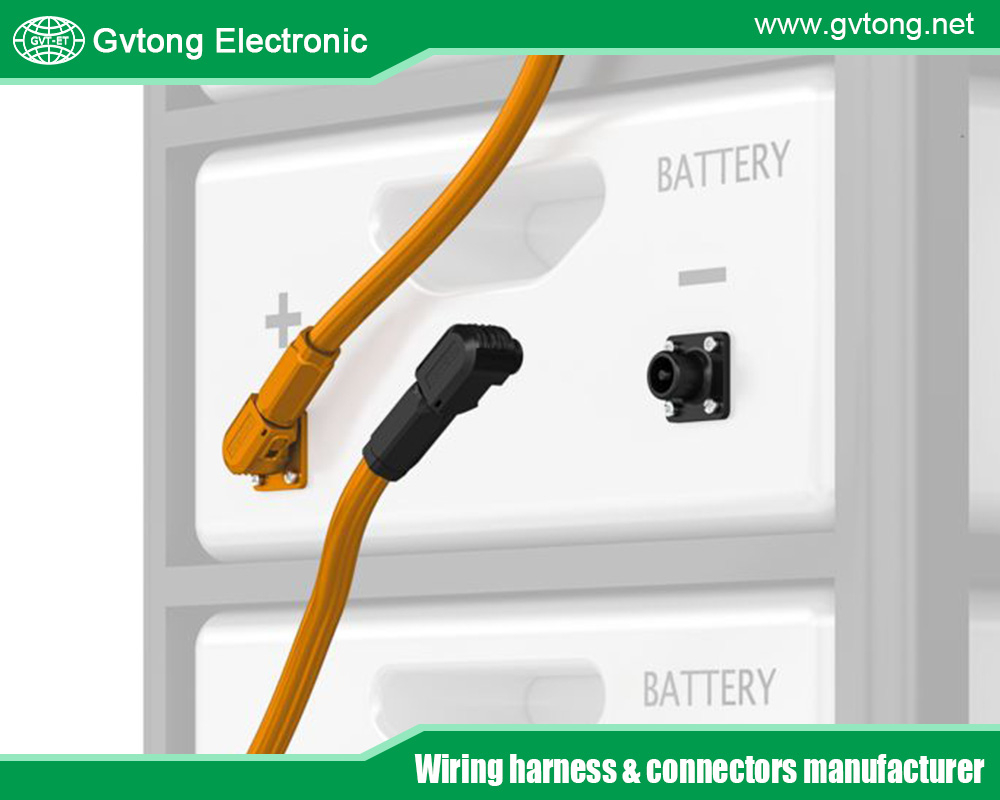
Conclusion
High pressure connectors are the unsung heroes of fluid and gas transfer systems, working through precise sealing and robust designs to handle extreme conditions. From quick disconnects to flange types, their variety caters to myriad applications, backed by advanced materials and safety features. As industries evolve, these connectors will continue to innovate, ensuring safer, more efficient operations. Understanding their mechanics empowers better selection and use, ultimately driving reliability in high-stakes environments.
For more about how do high pressure connectors work, you can pay a visit to Gvtong at https://www.gvtong.net/ for more info.
-
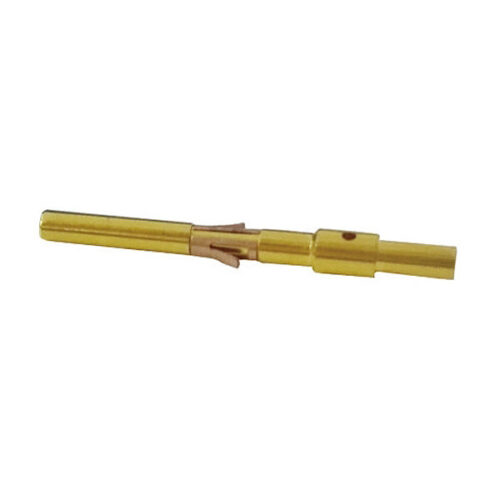
1.0mm signal jack
-
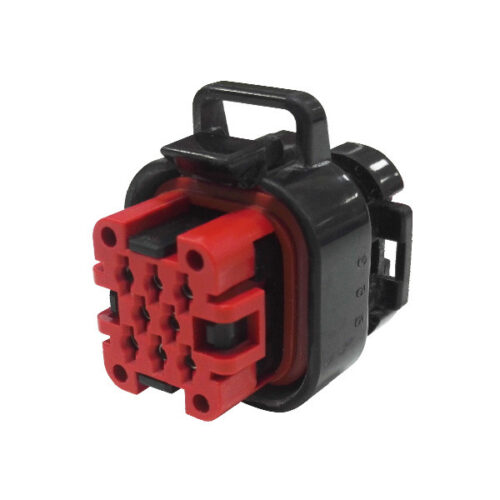
GE Series-8-core three-row signal connector
-
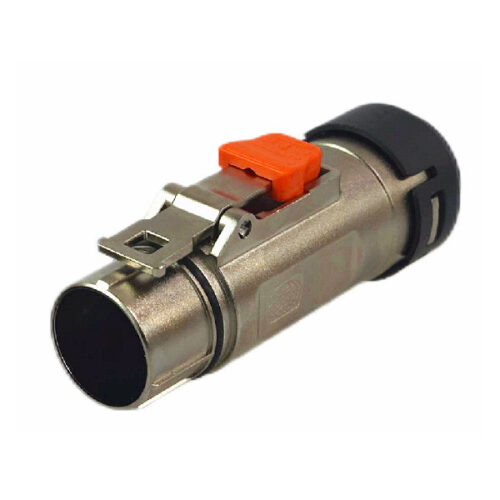
GM Series-10mm-Single Core Metal Connector
-
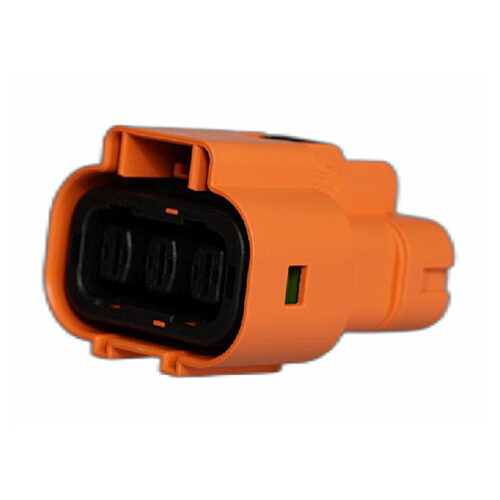
H630 Series-3-core plastic high voltage connector
-
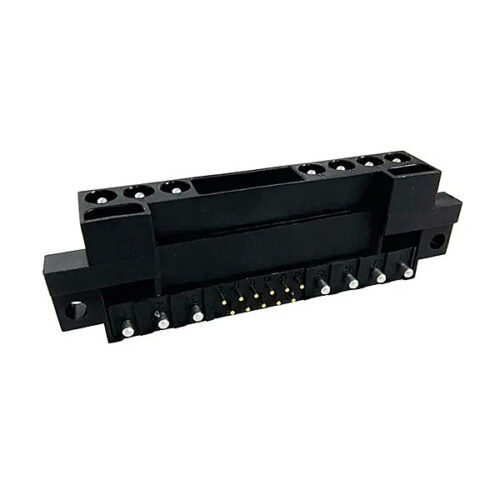
18-core power connector
-
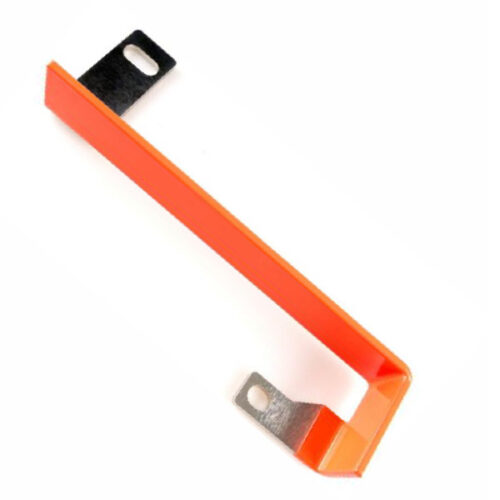
The battery PACK is packed with copper-aluminum busbar
-
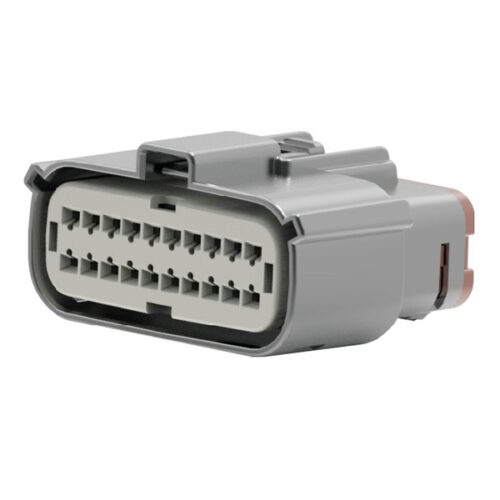
GE Series-20-core Low Voltage Connector
-
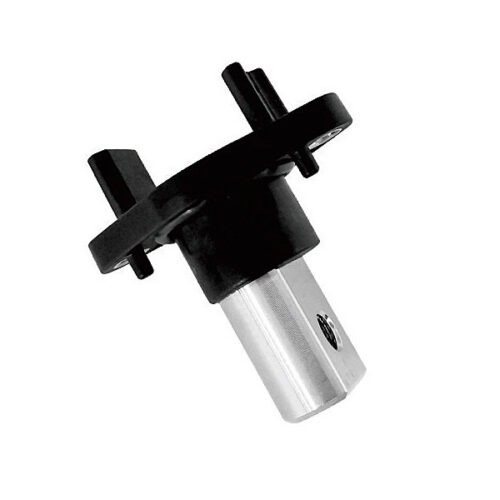
DCDC through-wall terminal – 90°180°