
Connector manufacturer
Connector manufacturer
How Modular Automotive Connectors Power the Modern Automotive Revolution
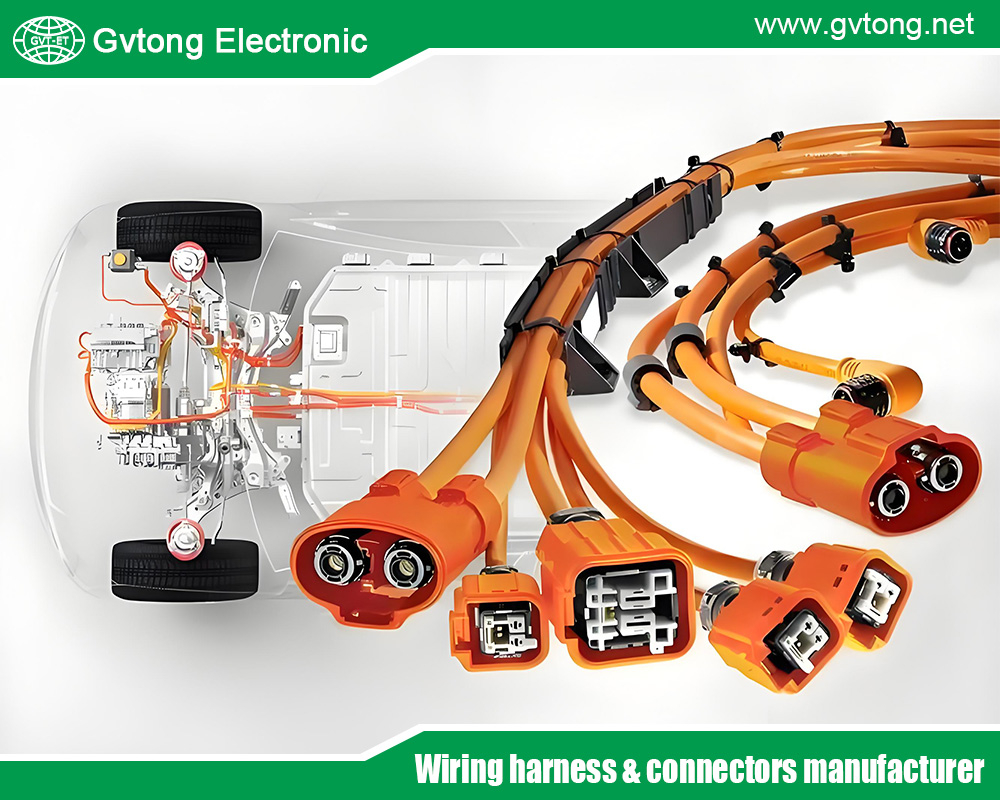
In the sprawling, complex anatomy of a modern automobile, a silent and often overlooked revolution has taken place. Gone are the days of vehicles being simple mechanical machines; today, they are sophisticated “computers on wheels,” data centers brimming with sensors, controllers, and actuators. The lifeblood of this electronic nervous system is not gasoline, but information and power, flowing through a meticulously organized network of wires. And the critical junctions where this flow is established, organized, and protected are modular automotive connectors. To understand the modern car is to understand how these unassuming components work.
The Imperative for Modularity: Complexity Demands Organization
The automotive electrical system has evolved exponentially. A luxury vehicle today can contain over 150 Electronic Control Units (ECUs) and several miles of wiring. Hard-wiring every sensor to every module would create an impenetrable, heavy, and failure-prone rat’s nest. This is where modularity becomes essential.
Modular connectors are the building blocks of a vehicle’s electrical architecture. They are standardized, intermateable components that allow for:
- Pre-assembly: Wiring harnesses, the vehicle’s central nervous system, can be built on a bench separately from the car’s body.
- Plug-and-Play Installation: Entire harnesses can be snaked through the chassis and connected quickly and reliably on the assembly line.
- Serviceability: Specific subsystems (e.g., a door module, an engine sensor) can be disconnected for repair or replacement without disturbing the entire network.
- Scalability: The same core connector family can be used across different vehicle models and trim levels, with cavities populated only for the required features.
Deconstructing the Connector: Key Components and Materials
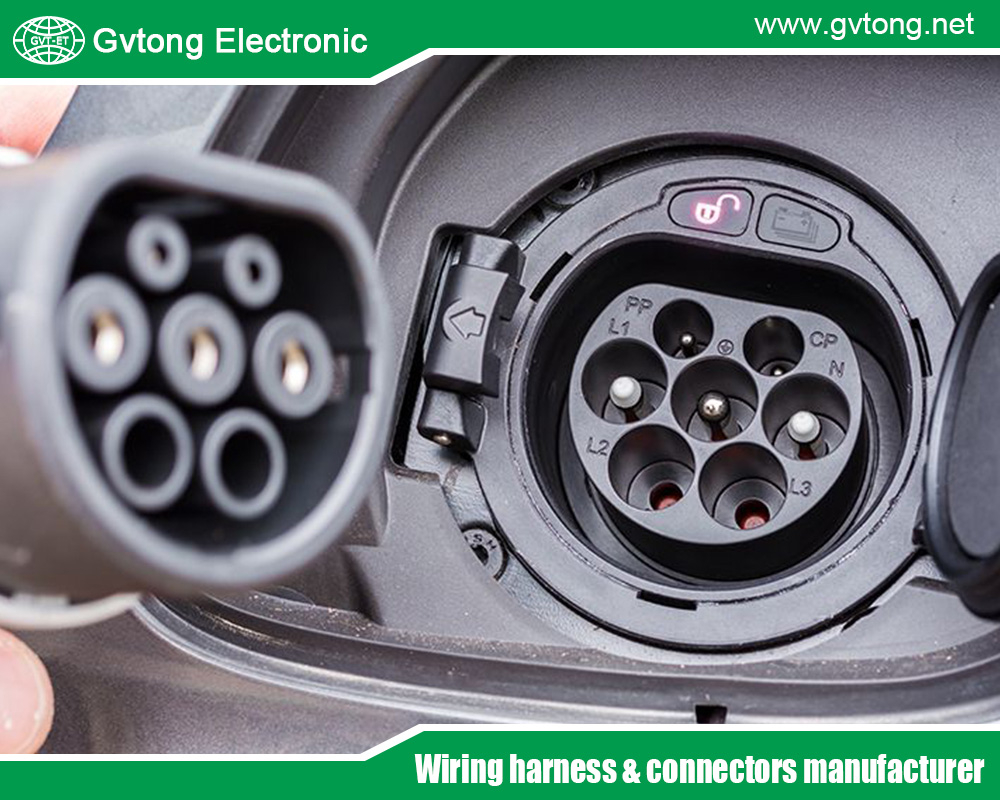
A modular automotive connector is a masterpiece of precision engineering, typically consisting of four primary elements:
- The Housing (or Connector Body):
This is the plastic shell that provides structure, protection, and keying. It is almost always made from high-performance, temperature-resistant thermoplastics like PBT (Polybutylene Terephthalate) or PPS (Polyphenylene Sulfide). These materials must withstand under-hood temperatures exceeding 125°C, exposure to fuels, oils, and corrosive chemicals, and retain their shape and insulating properties. The housing features a locking mechanism (often a lever, latch, or clip) that provides an audible “click” to confirm secure mating and prevents vibration-induced disconnection. Crucially, housings have polarization features—asymmetric ribs, grooves, or keys—that ensure connectors can only mate in the correct orientation, preventing catastrophic misconnections.
- The Terminal (or Contact):
This is the heart of the electrical connection. Terminals are precision-stamped and formed from copper alloys (often brass or bronze), plated with layers of tin, silver, or gold to ensure low electrical resistance, prevent corrosion, and provide a durable mating surface. They are designed as either male pins or female sockets, with sophisticated spring-beam designs in the sockets to create multiple points of contact with the pin, ensuring stability and low resistance. The terminal is crimped onto the wire conductor—a process that creates a cold-weld, gas-tight connection superior to soldering for vibration resistance.
- The Seal (or Grommet):
Automotive environments are hostile. Connectors are found in doors (exposed to water), under the vehicle (mud and road salt), and in the engine bay (heat and oil). Seals are critical. Each wire cavity has an individual wire seal—a small rubber gland that compresses around the wire’s insulation, preventing moisture ingress along the wire. Additionally, a large connector seal or interface seal sits between the two mated housings, creating a waterproof barrier. These seals are typically made from silicone or other specialized elastomers that remain flexible across extreme temperature ranges.
- The Secondary Locking Device (Terminal Position Assurance – TPA and Connector Position Assurance – CPA):
This is the safety system. The TPA is a separate, often brightly colored plastic component that slides into the housing afterthe terminals are inserted. It locks behind a tang on each terminal, physically preventing it from vibrating loose or backing out. The CPA is a similar device that locks the primary connector latch itself, ensuring the two halves cannot decouple accidentally. These features are non-negotiable in automotive safety systems like airbags or brakes.
The Physics of the Connection: How They Actually “Work”
The function of a modular connector can be broken down into electrical and mechanical principles.
Electrically, the goal is to create a stable, low-resistance path for current (from milliamps for sensors to tens of amps for motors) or high-fidelity data signals. The spring-beam design of the female terminal ensures sufficient normal force—the continuous pressure exerted on the male pin. This force breaks through microscopic oxide layers on the metal surfaces, establishing metallic contact. It also maintains this contact despite thermal expansion/contraction and vibration. The contact plating prevents the formation of new oxides, ensuring long-term reliability.
Mechanically, the system is designed for dependability under duress. The locking mechanism withstands vibration defined by stringent standards (like USCAR-2). The polarization prevents misassembly. The TPA/CPA systems provide audible and tactile feedback to assembly line workers and technicians, guaranteeing a complete and safe connection. The entire assembly is designed for a specific number of mating cycles (typically 50-100), far exceeding the expected service life of the vehicle.
Beyond Power: The Data Highway (High-Speed Connectors)
Modern vehicles rely on high-speed data networks (CAN FD, Automotive Ethernet, LVDS for cameras). Connectors for these signals are a specialized subset. While they share the same basic components, they are engineered for signal integrity.
- Shielding: Individual wires or entire cables are wrapped in a foil or braided shield to block electromagnetic interference (EMI). The connector must provide a 360-degree grounding path for this shield to the ECU housing.
- Impedance Control: The geometry of the terminal and its positioning within the housing are carefully controlled to maintain a consistent characteristic impedance (e.g., 100Ω for Ethernet), preventing signal reflections and data corruption.
- Differential Pairing: Data is often sent as complementary signals on twisted wire pairs. High-speed connectors keep these pairs tightly coupled and shielded from other pairs to minimize crosstalk.
The Validation Crucible: Testing to Extreme Standards
Before a single connector goes into production, it undergoes brutal validation testing defined by global (ISO), regional, and OEM-specific standards. This ensures they work not just on a lab bench, but in the real world for 15+ years.
- Vibration Testing: Simulates years of road shaking in days.
- Thermal Cycling: From -40°C to +125°C, repeated thousands of times.
- Salt Spray/Corrosion Testing: Ensures terminals don’t degrade.
- Seal Testing (IP Ratings): Subjected to high-pressure water jets and submersion.
- Current Cycling: Repeatedly heated by high current and cooled, testing terminal relaxation.
- Pull-Force Testing: Verifies crimps and locks will not fail.
The Future: Electrification and Autonomy
The trends towards electric vehicles (EVs) and automated driving are pushing connector technology to new limits.
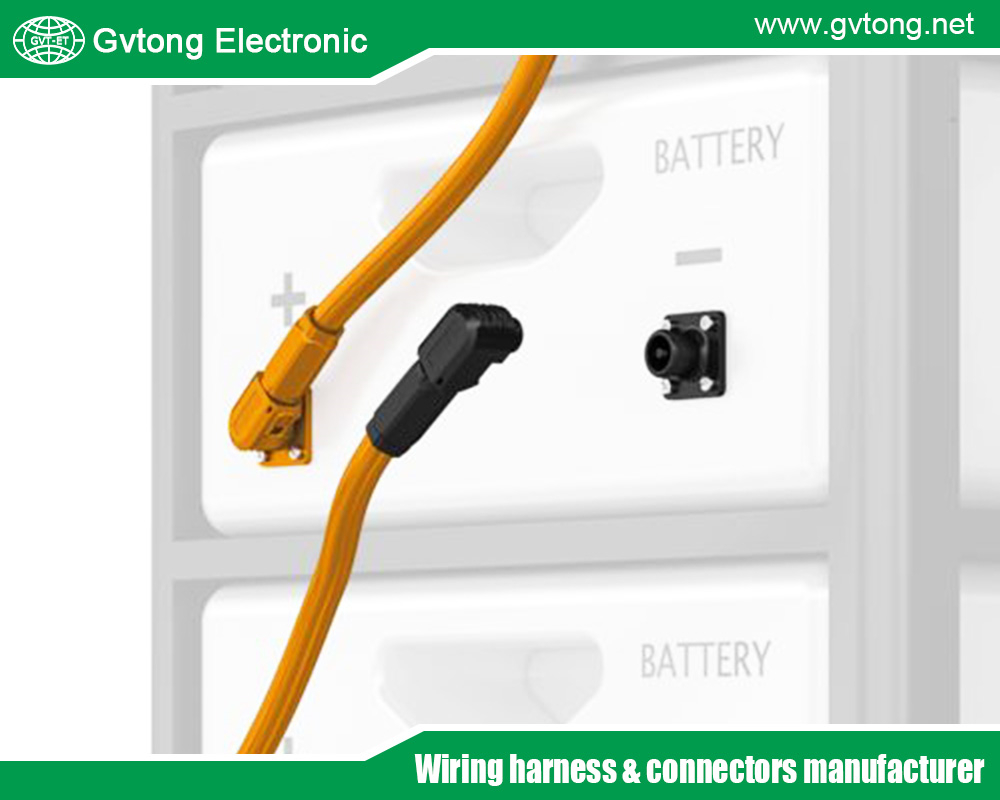
- High-Voltage Connectors: EV battery and drivetrain systems operate at 400V or 800V. These connectors feature extensive safety interlock systems (detecting if a connector is live before allowing disconnection), elaborate HVIL (High Voltage Interlock Loop) circuits, and arc-resistant designs. Their disconnection sequence is a complex, safety-critical dance.
- Increased Data Demand: More cameras, radar, and LiDAR sensors mean exponentially more data. This drives the need for smaller, lighter connectors capable of handling 10+ Gbps Automotive Ethernet, often with fiber-optic variants emerging.
- Miniaturization: As ECUs become more integrated, connectors shrink while maintaining performance, leading to micro-miniature designs with pitches under 0.5mm.
Conclusion
Modular automotive connectors are far more than simple plugs and sockets. They are highly engineered, rigorously validated subsystems that perform a critical balancing act: they must be robust enough to survive the automotive environment for decades, yet delicate enough to transmit flawless micro-volt sensor signals and multi-gigabit data streams. They enable the modular, scalable, and serviceable architecture that makes modern vehicles possible. Every automated safety feature, every increment of efficiency, every infotainment pixel flows through these gatekeepers. In the grand narrative of automotive innovation, the humble modular connector is a quiet but indispensable hero, ensuring that as cars become more intelligent and connected, they remain relentlessly reliable.
For more about how modular automotive connectors power the modern automotive revolution, you can pay a visit to Gvtong at https://www.gvtong.net/ for more info.
-
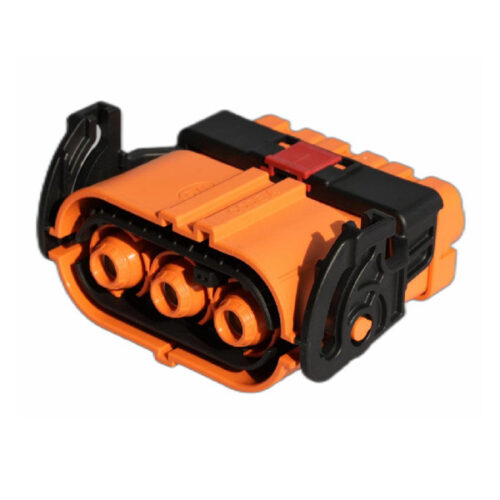
GH800 Series-3-core plastic high voltage connector
-
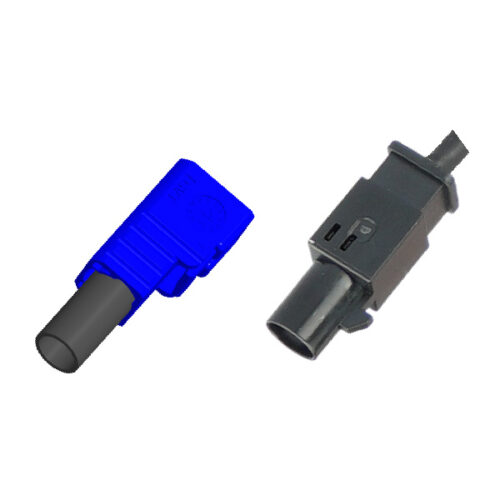
Automotive FAKRA Single Head Connector, Automotive Standard FAKRA Connectors
-
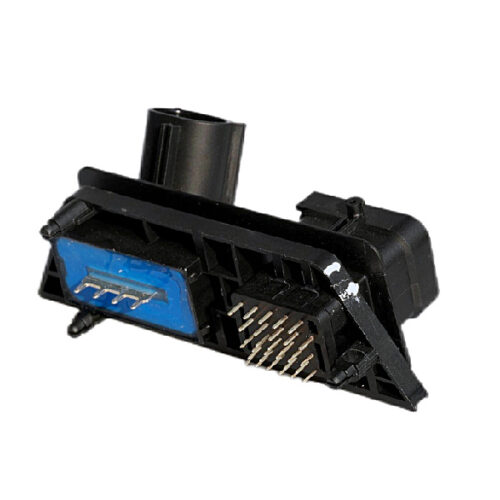
GE Series-33-core Signal Connector
-
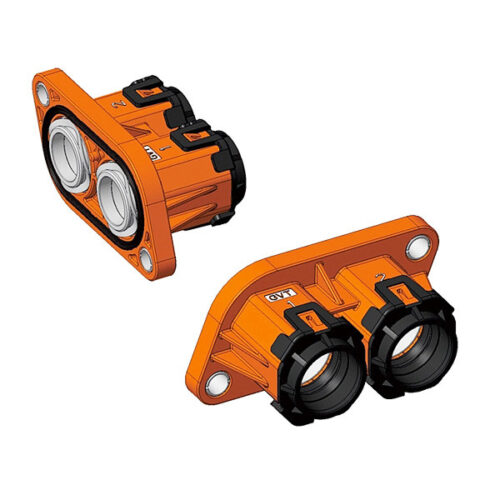
GVPT two-core wiring connector
-
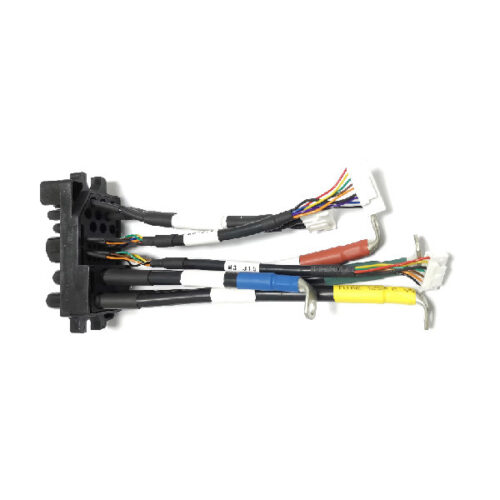
Low voltage harness
-
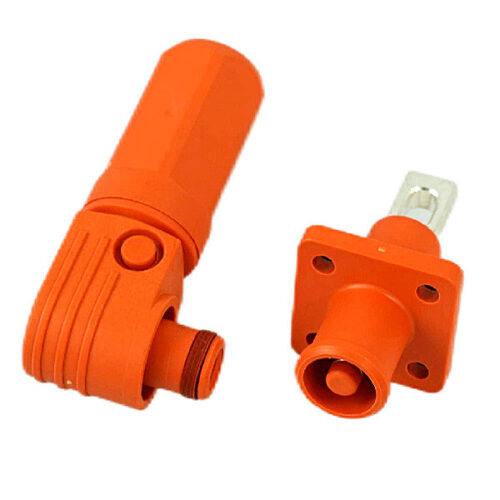
GB Series-Energy Storage Connector-5.7mm
-
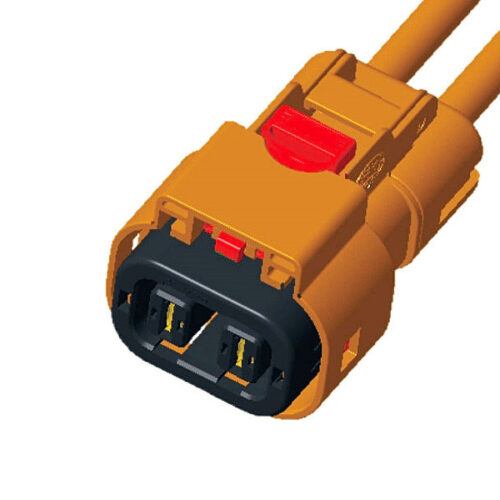
Connector plug+socket-GH630 series-2P
-
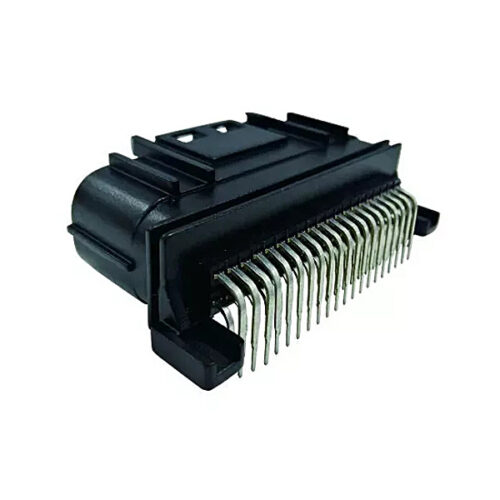
GE double row 40pin signal connector socket