
Connector manufacturer
Connector manufacturer
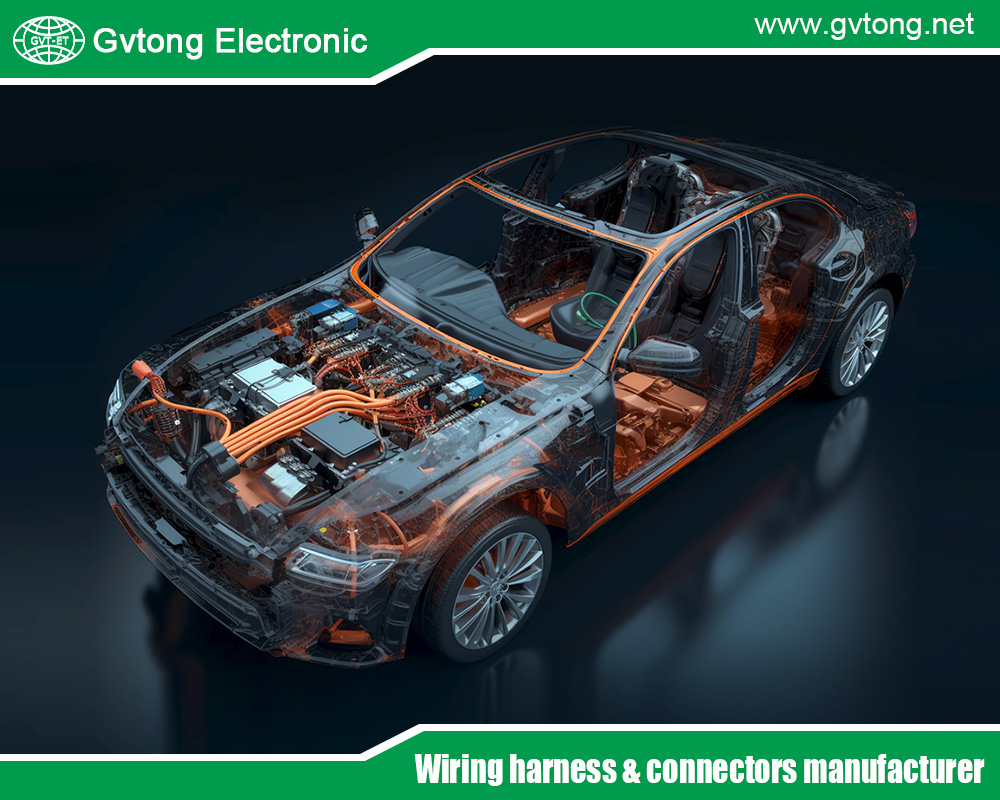
Automotive Modular Connectors Integrate Power, Signal & Data in One System
In the rapidly evolving automotive industry, the demand for efficient, reliable, and compact electrical systems has never been higher. Customizable automotive modular connectors represent a groundbreaking solution that addresses these needs by integrating power, signal, and data transmission into a single, unified system. These connectors are designed to streamline vehicle architectures, reducing complexity while enhancing performance. Traditionally, automotive wiring harnesses have relied on separate connectors for power (to supply energy to components like motors and lights), signals (for control commands and sensor feedback), and data (for high-speed communication in infotainment, ADAS, and autonomous driving systems). However, with the rise of electric vehicles (EVs), connected cars, and zonal architectures, this fragmented approach is becoming obsolete.
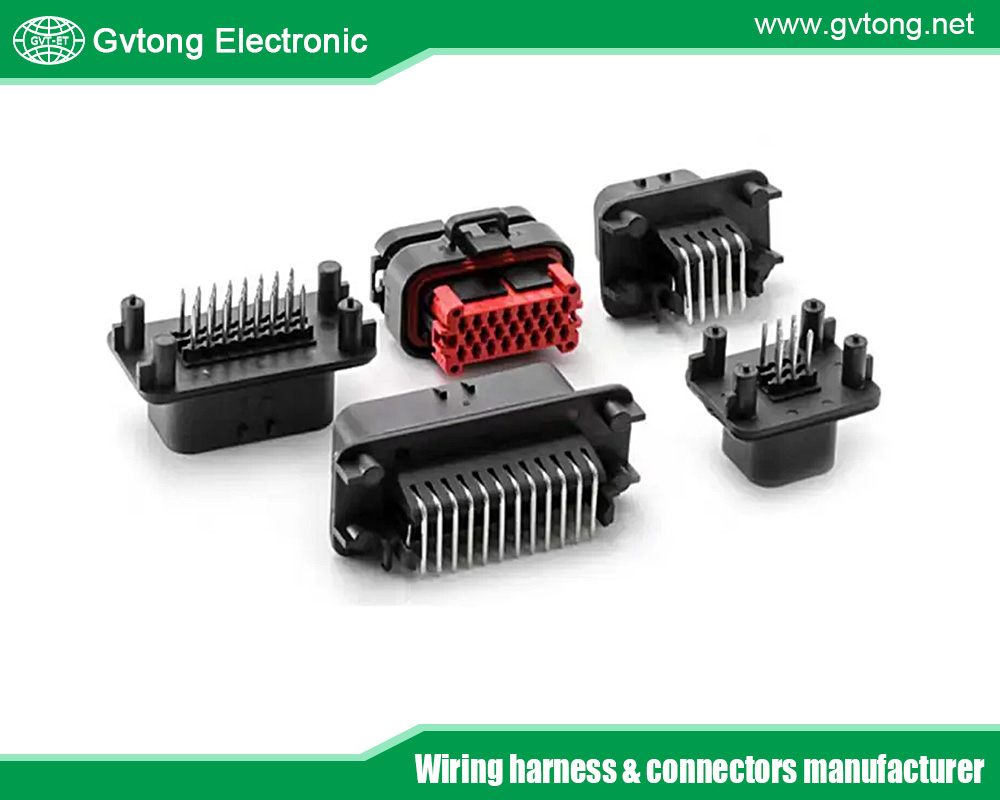
Modular connectors allow engineers to customize configurations by combining various modules—such as power terminals, signal pins, and high-speed data interfaces—within one housing. This modularity not only saves space but also minimizes weight, cost, and assembly time. For instance, companies like TE Connectivity, Molex, and Aptiv have pioneered systems that support hybrid functionalities, enabling seamless integration. TE Connectivity’s modular hybrid connector systems, for example, combine signal, power, and high-speed data in a scalable design, reducing the number of individual connectors needed in a vehicle. Similarly, Molex’s MX-DaSH portfolio merges these elements to optimize next-generation automotive architectures.
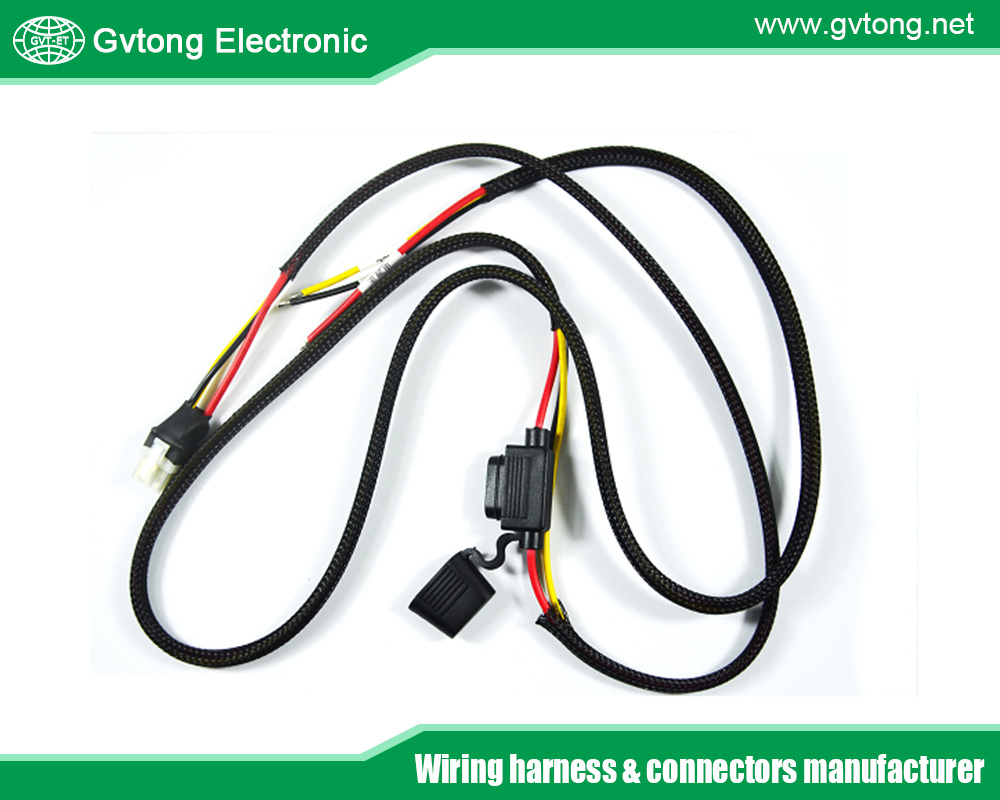
The importance of these connectors cannot be overstated. Modern vehicles are essentially rolling data centers, with thousands of sensors, actuators, and electronic control units (ECUs) communicating in real-time. Integrating power, signal, and data reduces wiring harness complexity, which can account for up to 50% of a vehicle’s electrical issues if not managed properly. This integration also supports the shift toward software-defined vehicles (SDVs), where over-the-air updates and advanced computing require robust, high-bandwidth connections. By consolidating functions, customizable modular connectors enhance reliability in harsh automotive environments, including vibrations, temperature extremes, and moisture exposure. They adhere to standards like USCAR-2 and LV214, ensuring compatibility and safety.
Furthermore, customization is key. Engineers can select from a range of terminal sizes, sealing options, and module types to fit specific applications, from infotainment systems to power distribution in EVs. This flexibility accelerates design cycles and reduces inventory costs for manufacturers. As the automotive sector pushes toward electrification and autonomy, these connectors are pivotal in enabling efficient power management, precise signal control, and high-speed data transfer—all in one compact package. In this article, we will explore the evolution, features, benefits, applications, and future trends of these innovative systems, drawing on real-world examples from leading manufacturers.
Evolution and Need for Modular Connectors in Automotive Design
The journey of automotive connectors began in the early 20th century with simple bullet terminals for basic electrical connections. As vehicles incorporated more electronics post-World War II, the need for reliable signal transmission emerged, leading to the development of multi-pin connectors. By the 1980s, with the advent of electronic fuel injection and anti-lock braking systems, connectors evolved to handle both power and signals, but data integration remained limited due to low-bandwidth requirements.
The 21st century brought a paradigm shift. The proliferation of infotainment, navigation, and driver-assistance systems demanded high-speed data links, such as Ethernet and coaxial cables. Electric and hybrid vehicles added complexity with high-voltage power needs, while autonomous driving required low-latency communication for sensors like LiDAR and radar. Traditional setups, with separate connectors for each function, resulted in bloated wiring harnesses—sometimes weighing over 50 kg and spanning kilometers of cable. This not only increased manufacturing costs but also heightened failure risks from connector mismatches or environmental degradation.
Enter modular connectors: a response to these challenges. Inspired by industrial automation, where modularity reduces downtime, automotive versions emerged in the 2010s. Companies like Amphenol introduced systems like ComboNET, which combine Ve-NET, Mini-Fakra, power, and signal modules in a compact design. TE Connectivity’s NET-AX+ series further advanced this by integrating differential and coaxial data with power and signals in one assembly, supporting zonal architectures where functions are grouped by vehicle zones rather than centralized ECUs.
The need for integration stems from several factors. First, space constraints: Modern vehicles pack more features into smaller footprints, especially in EVs where battery placement limits wiring routes. Second, cost efficiency: Consolidating connectors can reduce the bill of materials (BOM) by up to 50%, as fewer parts mean less sourcing and assembly. Third, performance: High-speed data rates (up to 56 Gbit/sec in some systems) require shielded interfaces to prevent electromagnetic interference (EMI), which modular designs incorporate seamlessly. Fourth, sustainability: Lighter harnesses improve fuel efficiency or range in EVs, aligning with global emission regulations.
Aptiv’s hybrid connectors exemplify this evolution, terminating power, signal, and data lines in modules designed for auto-plugging, which automates assembly and reduces errors. Weidmuller’s RockStar ModuPlug system, while more industrial, influences automotive designs by integrating more functions with less weight. Overall, the evolution reflects a move from siloed to holistic systems, driven by the Internet of Things (IoT) in vehicles and the push for Level 5 autonomy.
Key Features of Customizable Modular Connectors
Customizable automotive modular connectors boast a suite of features that make them indispensable. At their core is modularity: Users can mix and match modules for power (handling currents up to 40A), signals (low-voltage control), and data (high-speed Ethernet or coaxial). For example, Molex’s MX-DaSH connectors offer configurations like 31+1-way, with 31 power/ground circuits plus high-speed FAKRA Mini modules for data rates supporting ADAS. Terminal sizes range from 0.50mm to 4.80mm, accommodating diverse needs, with sealed (IP67/IP69K) and unsealed options for environmental protection.
Integration is achieved through hybrid designs. Power modules use robust terminals for high-current applications, signal modules employ fine-pitch pins for accuracy, and data modules incorporate shielded pairs to minimize crosstalk. TE Connectivity’s systems use 90° chiclet-based designs, reducing PCB footprints by 40% and supporting automation with low-voltage terminals. Sustainability features include eco-friendly resins and optimized surfaces for recyclability.
Customization extends to scalability. Engineers can add or remove modules without redesigning the entire harness, using standardized interfaces like USCAR or IEC validations. Features like independent secondary locks (ISL) ensure mating reliability, while male blade stabilization prevents misalignment during vibrations.
High-speed capabilities are crucial. Systems like Aptiv’s H-MTD handle up to 20 GHz frequencies, ideal for infotainment and sensor data. Modular housings can group up to eight modules, connecting to zonal controllers for distributed processing.
Other features include miniaturization (30-40% smaller than separate connectors), weight reduction, and compatibility with automated harness production. For instance, Molex’s wire-to-board variants use modular cartridges to maintain form factors while varying interfaces. These connectors also support in-cable architectures, embedding intelligence for smarter power distribution.
In summary, the key features—modularity, hybrid integration, customization, and robustness—enable a one-system approach that adapts to diverse automotive requirements, from basic signaling to advanced data streaming.
Benefits of Integrating Power, Signal, and Data
The primary benefit of these connectors is reduced complexity. By consolidating functions, they can cut inline connectors from eight to two in a harness, eliminating meters of wiring and reducing weight by up to 20%. This translates to lower fuel consumption in internal combustion engines and extended range in EVs.
Cost savings are significant. Fewer components mean a streamlined BOM, shorter lead times, and reduced inventory. TE Connectivity notes up to 80% fewer mating assemblies, boosting manufacturing efficiency. Automation compatibility, via auto-plugging, minimizes labor costs and errors, with robotic assembly becoming feasible due to standardized shapes.
Reliability improves in harsh conditions. Validated to automotive standards, these connectors resist vibrations, thermal cycles, and ingress, ensuring uninterrupted power, precise signals, and error-free data. Integration reduces connection points, lowering failure risks from corrosion or loose fits.
Space optimization is another advantage. Hybrid designs save 30% packaging space, crucial for compact EVs and autonomous vehicles with dense electronics. This allows for more features without enlarging the vehicle.
Scalability supports future-proofing. As vehicles evolve, modules can be upgraded for higher data rates or power needs without overhauling systems. Environmental benefits include lighter vehicles reducing emissions, and sustainable materials aligning with green initiatives.
Overall, these benefits—efficiency, cost reduction, reliability, space savings, and sustainability—make modular connectors a strategic choice for automakers.
Applications in Modern Vehicles
These connectors find applications across vehicle systems. In EVs, they manage high-voltage power distribution while handling battery management signals and data for charging protocols. For ADAS, they connect sensors like cameras and LiDAR, integrating power, control signals, and high-speed data for real-time processing.
Infotainment systems benefit from data integration, supporting displays, GPS, and connectivity modules. In zonal architectures, they link control units in areas like the engine bay or cabin, reducing central wiring. Autonomous vehicles use them for high-performance computing, where low-latency data is critical.
Body control modules employ them for lights, doors, and HVAC, combining power and signals efficiently. In hybrid vehicles, they facilitate seamless transitions between electric and combustion modes.
Case studies include Molex’s MX-DaSH in instrument panels, cutting wiring by six meters per model. Aptiv’s systems in SDVs enable modular upgrades for evolving software.
Future Trends
Looking ahead, automotive modular connectors will evolve with 5G integration for V2X communication and AI-driven vehicles. Expect smarter, self-diagnosing systems and further miniaturization using advanced materials. As EVs dominate, high-power modules will become standard, supporting ultra-fast charging.
Conclusion
Customizable automotive modular connectors revolutionize vehicle design by integrating power, signal, and data into one system. Their features and benefits pave the way for efficient, reliable, and sustainable mobility. As the industry advances, these connectors will remain at the forefront, enabling the next era of intelligent transportation.
For more about the automotive modular connectors integrate power, signal & data in one system, you can pay a visit to Gvtong at https://www.gvtong.net/ for more info.
-
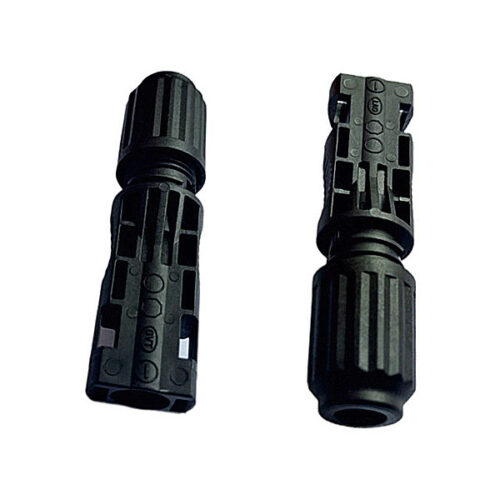
Photovoltaic Connector-Line End Socket
-

GB Series-Energy Storage Connector-5.7mm
-
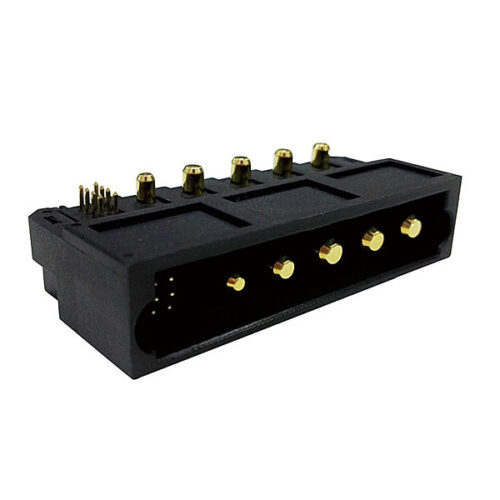
13-core power connector
-
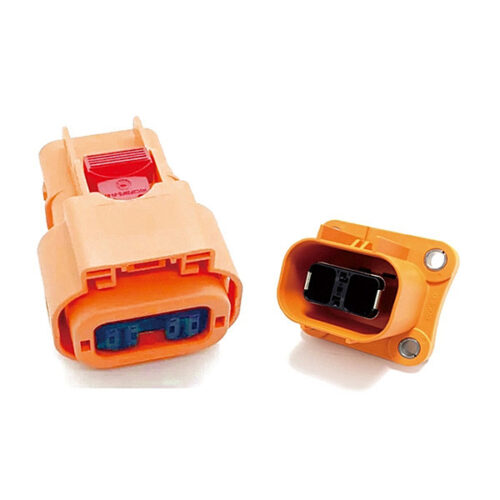
High voltage connector (2 cores)
-
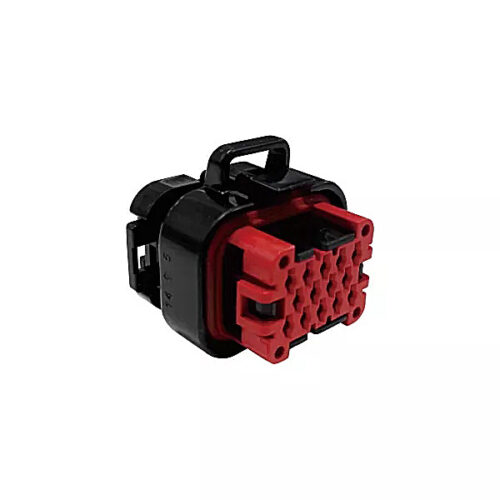
Signal connector – waterproof, three-row, 14-pin
-
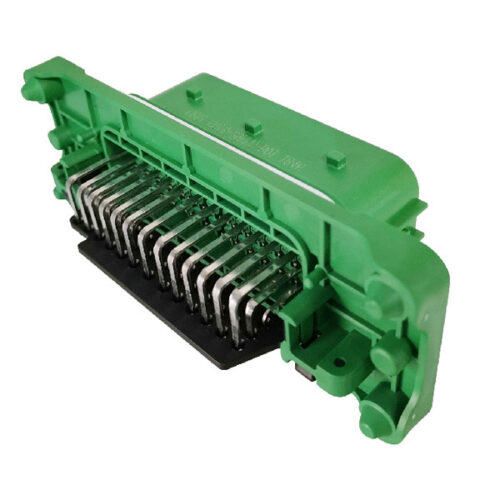
GE Series-39-core rectangular connector-socket
-
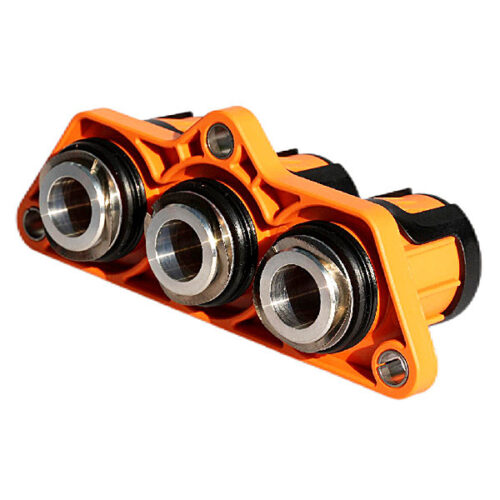
GIPT 3-core wiring connector
-

GB Series-Energy Storage Connector-10.0mm