
Connector manufacturer
Connector manufacturer
Automotive Hybrid Connectors Are Critical to the Safety and Power Output of Hybrid Vehicles
The rise of the hybrid vehicle represents one of the most significant engineering pivots in automotive history. Seamlessly blending an internal combustion engine (ICE) with one or more electric motors, hybrids offer a compelling bridge to full electrification, delivering improved fuel economy and reduced emissions without range anxiety. While consumers and analysts often focus on the battery pack, power electronics, or the sophisticated control software, there exists a category of components so fundamental that their failure would render the vehicle inoperable, and so critical that their design directly dictates both the safety of occupants and the very power output of the drivetrain: automotive hybrid connectors.
These are not the simple, low-voltage connectors of traditional automobiles. Automotive hybrid connectors are the robust, intelligent, and meticulously engineered lifelines that manage the dangerous dance between high-voltage power, high-current flow, complex data signals, and sometimes even thermal management fluids. They form the central nervous and circulatory system of the hybrid powertrain, and their performance is non-negotiable.
The Unique Ecosystem of a Hybrid Powertrain: Why Special Automotive Hybrid Connectors Are Essential
A hybrid vehicle is an electrical architecture of unprecedented complexity within a mass-produced consumer product. It contains at least two distinct and potent power sources:
- The High-Voltage (HV) System: Typically operating at 100-400 volts, this system includes the traction battery, the electric motor(s), the power inverter (which converts DC battery power to AC for the motor), and often a DC-DC converter. The energy here is lethal, capable of delivering fatal electric shocks.
- The Low-Voltage (LV) System: The standard 12V system that powers lights, infotainment, windows, and, crucially, the vehicle’s control computers and safety systems.
The hybrid connector’s primary domain is the high-voltage ecosystem, but its role often extends into the critical interface between these two worlds. It must facilitate the flow of prodigious electrical power from the battery to the motors with minimal loss, while simultaneously ensuring that this dangerous energy is absolutely contained and managed. Any compromise in this dual mandate can lead to catastrophic failure.
Pillar I: The Imperative of Absolute Safety
Safety in hybrid connectors is a multi-layered, “defense-in-depth” engineering philosophy. It is not a single feature but a system of integrated safeguards.
- High-Voltage Isolation and Interlock Safety:
The most paramount safety feature is the prevention of accidental human contact with live high-voltage terminals. Connectors achieve this through:
- Physical Isolation: HV connectors are designed with long, insulated creepage and clearance paths. The terminals are deeply recessed within insulating housings made from special, high-track-resistant plastics (like PPS, PPA, or PBT). These materials prevent electrical arcing or tracking across the surface, even in humid or contaminated conditions.
- Interlock Loops (HVIL – High Voltage Interlock Loop): This is arguably the most critical safety innovation. The HVIL is a low-voltage circuit that runs through the connector itself. When the connector is fully and correctly mated, this circuit is closed, signaling to the Vehicle Control Unit (VCU) that the high-voltage path is secure. If a connector is loose, improperly seated, or disconnected during service, the HVIL circuit breaks before the high-voltage pins separate. This immediate signal commands the VCU to depower the entire HV system in milliseconds, ensuring technicians or first responders never encounter live HV contacts.
- Robust Sealing and Environmental Protection:
Hybrid components live in harsh underhood or underbody environments. Connectors must achieve a high degree of Ingress Protection (IP rating), often IP6K7 (dust-tight and protected against temporary immersion). This is accomplished through multiple silicone or elastomeric seals:
- Face Seals: Seal the connection between the two connector halves.
- Wire-to-Connector Seals: Prevent moisture from wicking down the cable strands into the connector.
- Secondary Sealing: Often a gel or compression seal inside the connector backshell.
This protection prevents short circuits caused by condensation, road splash, or corrosive fluids (like battery acid or brake fluid).
- Mechanical Integrity and Locking:
A connector that vibrates loose is a safety and functional disaster. Hybrid connectors employ sophisticated, multi-stage locking mechanisms:
- Primary Lock: Secures the terminal within its housing.
- Secondary Lock (TPA – Terminal Position Assurance): A separate component that locks the primary lock, preventing terminal back-out.
- Connector Housing Lock (CPA – Connector Position Assurance): A final, often brightly colored lever or latch that audibly and tactilely clicks when the two connector halves are fully mated. This robust mechanical connection must withstand years of vibration, thermal cycling, and accidental tugging.
Pillar II: Enabling and Sustaining High Power Output
If safety is the non-negotiable foundation, enabling high power output is the performance mandate. The efficiency and capability of the entire hybrid drivetrain can be bottlenecked by its connectors.
- Minimizing Electrical Resistance and Power Loss:
Every milliohm of resistance in a high-current path converts precious electrical energy into wasted heat, directly reducing the power available to the wheels and the vehicle’s overall efficiency. Hybrid connectors combat this through:
- High-Conductivity Materials: Terminals are made from specialized copper alloys (often with silver or tin plating) that offer excellent conductivity while maintaining spring properties for contact force.
- Optimized Contact Physics: The design of the mating surfaces (e.g., multi-finger hyperboloid contacts, large flat blade contacts) maximizes the surface area of contact, reducing constriction resistance.
- Adequate Gauge and Size: Conductors and terminals are sized not just for continuous current (e.g., 150A for an electric motor) but for peak current during hard acceleration or regeneration.
- Thermal Management:
The heat generated by I²R losses must be dissipated. In extreme cases, connectors are part of active or passive cooling systems.
- Passive Cooling: Connectors may be designed with thermal fins or be attached to cooling plates to conduct heat away into the chassis or a cold plate.
- Material Selection: Housing materials must retain their mechanical and dielectric strength at elevated temperatures (commonly -40°C to +150°C+).
- Integrated Cooling: Some advanced hybrid/electric vehicle connectors, particularly for fast-charging ports or inverter connections, incorporate liquid cooling channels within the connector assembly itself to manage extreme thermal loads.
- Handling High Inrush Currents and Regeneration:
Hybrid operation is dynamic. During hard acceleration, the electric motor may draw a massive surge of current. Conversely, during regenerative braking, the motor acts as a generator, pushing high current back into the battery. Connectors and their associated cabling must handle this bidirectional current flow without degradation, maintaining stable contact resistance through thousands of aggressive power cycles.
The Engineering Challenges: A Hostile Operating Environment
Designing a connector that meets both the safety and power mandates means overcoming a gauntlet of simultaneous stressors:
- Vibration: Constant engine and road vibration can cause fretting corrosion (micro-movements that wear away plating) and mechanical fatigue.
- Thermal Cycling: The connector will expand and contract repeatedly as the vehicle heats up during operation and cools down. Different materials (metal terminals, plastic housing, silicone seals) expand at different rates, which the design must accommodate without losing seal integrity or contact force.
- Chemical Exposure: Exposure to fuels, oils, cleaning agents, and road salts requires chemically resistant materials.
- Electromagnetic Compatibility (EMC): The high-current, fast-switching signals in a hybrid can generate significant electromagnetic interference (EMI). Connectors often require metallic shielding or coatings to contain this EMI and prevent it from disrupting sensitive low-voltage control signals running in adjacent harnesses.
The Future: Toward Smarter, More Integrated Connectors
As hybrids evolve into plug-in hybrids (PHEVs) and increase in power, connectors are becoming even more sophisticated:
- Smart Connectors with Integrated Electronics: Embedding microchips or sensors within the connector housing to monitor temperature, current flow, or contact health in real-time, enabling predictive maintenance and enhanced safety diagnostics.
- High-Voltage, High-Current Miniaturization: The push for more power in less space drives the development of connectors with higher power density.
- Standardization and Modularity: As platforms become shared across multiple vehicle models, standardized connector families improve manufacturing efficiency and serviceability.
Conclusion: The Unsung Enabler of Hybrid Viability
The automotive hybrid connector is a masterpiece of mechatronic engineering. It is a component that must be as robust as a structural part, as precise as a semiconductor, and as reliable as a safety-critical system. It operates invisibly to the driver, yet its performance directly influences the vehicle’s acceleration, efficiency, and, most importantly, the safety of everyone on board.
To consider the battery the “heart” of a hybrid is apt; it stores the vital energy. But if that is true, then the hybrid connectors are the major arteries and veins—the fortified conduits that must carry this lifeblood with unwavering integrity under immense pressure. They are the critical gatekeepers of power and the guardians of safety, and without their advanced design and flawless execution, the promise of the hybrid vehicle—a seamless, powerful, and safe integration of two worlds—simply could not be realized. In the journey toward a more sustainable automotive future, the hybrid connector stands as a foundational and indispensable technology.
For more about automotive hybrid connectors are critical to the safety and power output of hybrid vehicles, you can pay a visit to Gvtong at https://www.gvtong.net/ for more info.
-
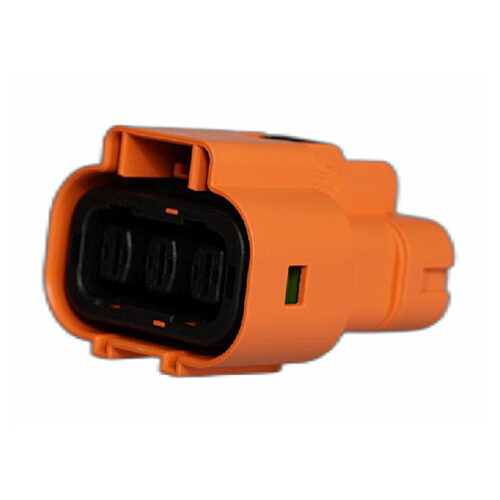
H630 Series-3-core plastic high voltage connector
-
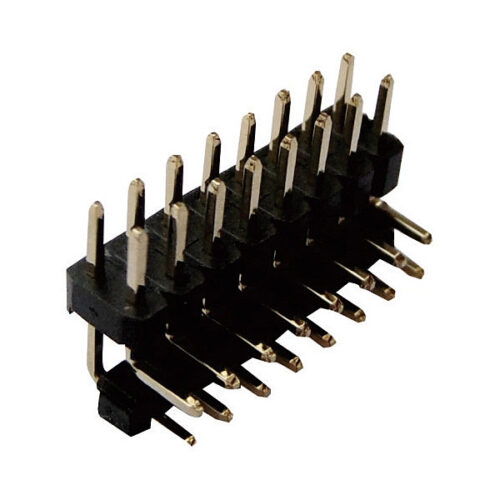
Pin header and female header
-
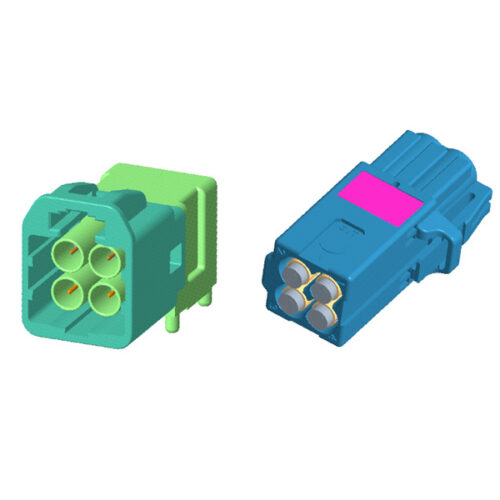
Automotive RF MINI FAKRA Four-Core Connector, Quad Port, PCB Through Hole, Right Angle, Plug, 50 Ohm
-
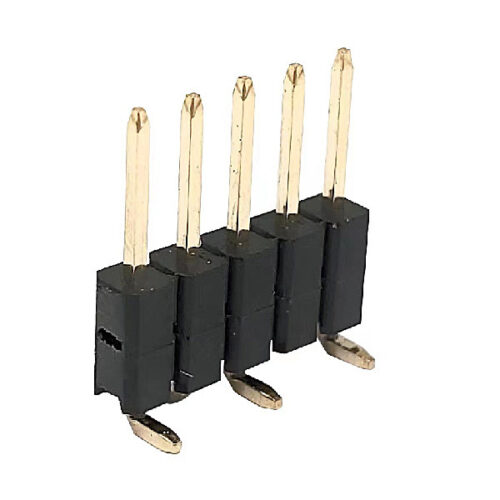
Industrial control pin header
-
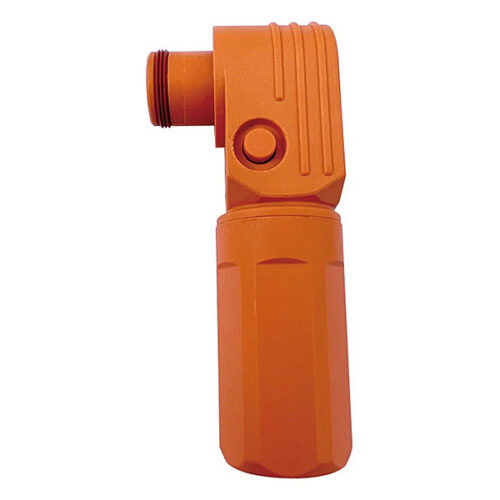
Energy storage connector 8.0mm
-
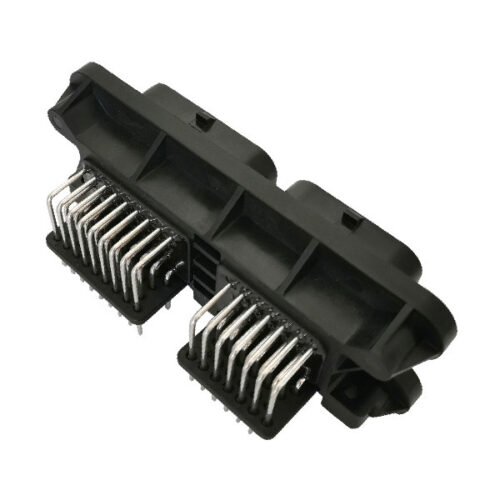
GE Series – 60-core (34+26) combined connector-socket
-
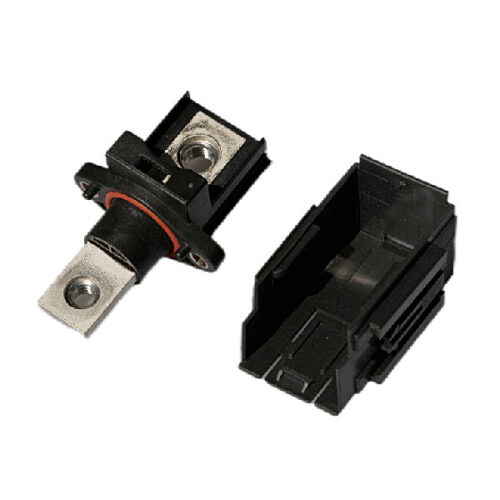
GH Series – DCDC Through-Wall Terminal Block – With Protective Cover
-
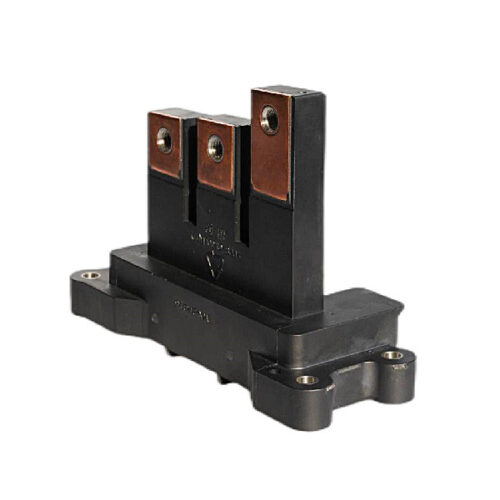
Electronic control copper bar assembly