
Connector manufacturer
Connector manufacturer
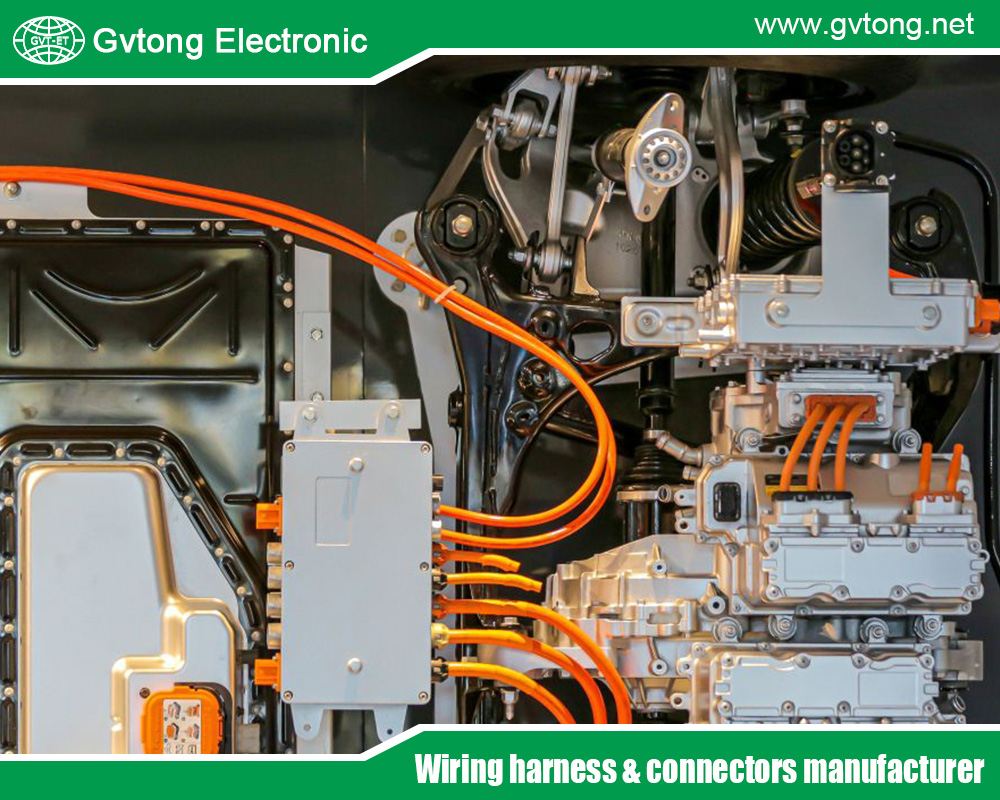
How Does an Automotive Miniaturized Coaxial Connector Work?
As vehicles evolve into complex electronic platforms with advanced infotainment, radar, camera, and telematics systems, the demand for reliable high-frequency signal transmission in harsh environments has never been greater. Automotive miniaturized coaxial connectors have emerged as a critical component in modern automotive design, enabling compact, lightweight, and robust interconnections. This article explores the working principles, design considerations, and applications of these specialized connectors, detailing how they maintain signal integrity while withstanding the rigorous demands of the automotive environment.
The Need for Miniaturization in Automotive Electronics
The modern automobile has transformed into a network of sophisticated electronic systems. From GPS and satellite radio to collision-avoidance radar, backup cameras, and 5G connectivity, high-frequency signals are the lifeblood of contemporary vehicle functionality. These systems require interconnects capable of transmitting radio frequency (RF) signals with minimal loss, interference, and reflection.
Traditional coaxial cables and connectors, while effective, are often too bulky for the space-constrained architecture of modern vehicles. This has driven the development of miniaturized coaxial connectors—scaled-down versions designed specifically for automotive applications. They must perform reliably across a temperature range of -40°C to +125°C, resist vibration, moisture, and chemical exposure, all while fitting into increasingly dense electronic control units (ECUs) and sensor modules.
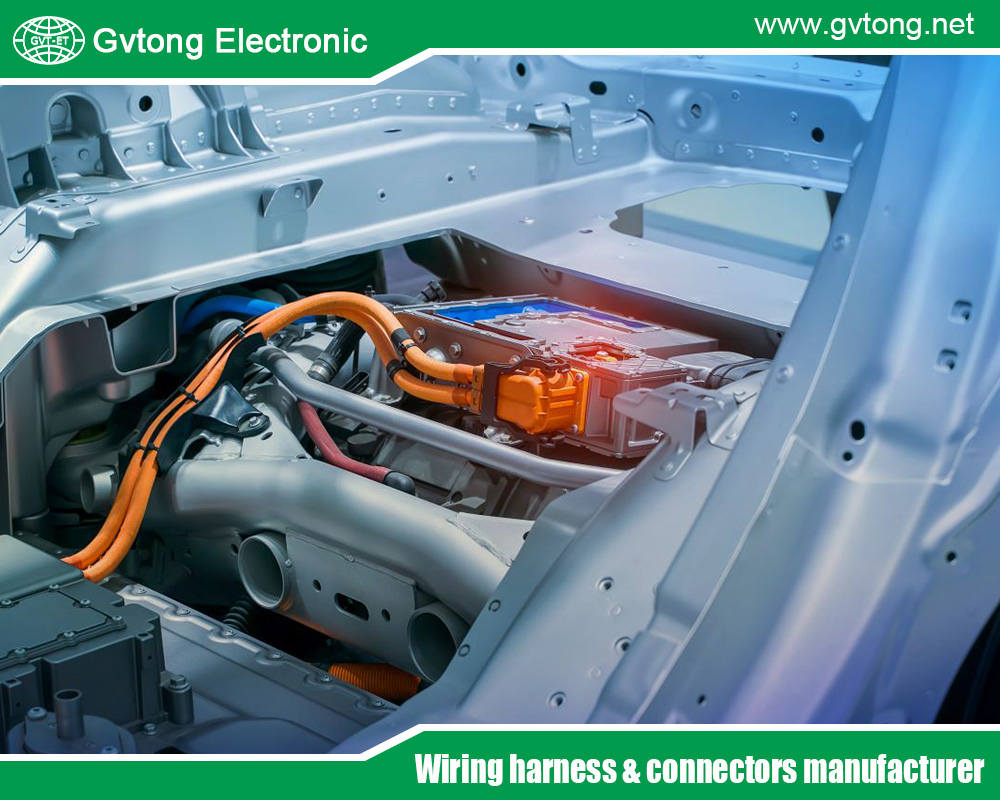
Fundamental Coaxial Principle: A Shielded Highway for Signals
At its core, any coaxial connector is an interface for a coaxial cable. The fundamental working principle of a coaxial structure is electromagnetic containment. It consists of four key parts:
- Center Conductor: Carries the signal current.
- Dielectric Insulator: Surrounds the center conductor, maintaining precise spacing and electrical isolation.
- Outer Conductor (Shield): Encases the dielectric, providing a return path for current and shielding the inner conductor from external electromagnetic interference (EMI).
- Outer Jacket: Provides mechanical and environmental protection.
This geometry creates a transmission line with controlled impedance, most commonly 50Ω or 75Ω in automotive applications. The shield confines the electromagnetic field generated by the signal within the space between the center and outer conductors. This prevents energy loss through radiation and protects the signal from external noise, which is crucial in the electrically noisy environment of a car.
Miniaturization involves scaling down all these components while striving to maintain this precise electromagnetic relationship. The challenge is to keep impedance stable, minimize signal loss (insertion loss), and maximize shielding effectiveness, even as physical dimensions shrink.
Anatomy of a Miniaturized Automotive Coaxial Connector
A typical miniaturized coaxial connector system (e.g., FAKRA, H-MTD, or industry-standard 1.0mm, 0.8mm pitch types) comprises two mating halves and interfaces with a miniature coaxial cable.
- Key Components and Their Functions
- Center Contact: Often a gold-plated pin (male) and socket (female). It makes the electrical connection for the signal path. Miniaturization requires extremely precise machining to ensure reliable contact in a tiny form factor.
- Dielectric Insulator: Typically made from PTFE (Teflon) or other high-temperature thermoplastics. It holds the center contact in precise alignment within the outer contact, maintaining the critical impedance. Its material properties (dielectric constant) are essential for performance.
- Outer Contact/Shield: The connector’s primary shielding element. It makes the first mechanical and electrical connection upon mating, ensuring the shield is engaged before the sensitive center pin, preventing electrostatic discharge (ESD) damage.
- Connector Housing: Made from high-temperature, chemical-resistant plastics like PPA or PBT. It provides mechanical alignment, keying (to prevent mismating), and strain relief. Automotive housings often include color-coding and mechanical keying (as defined by FAKRA standards) to ensure correct system pairing (e.g., GPS vs. cellular).
- Locking Mechanism: A critical feature for automotive vibration resistance. This can be a sliding latch, a push-pull lock, or a screw-on interface. It ensures a secure mating connection that will not disconnect under vibration.
- Cable Termination: The connector must be reliably attached to a miniature coaxial cable. This often involves crimping the outer contact to the cable shield and the center contact to the inner conductor, a process requiring specialized tooling for consistency.
- The Mating Sequence: Ensuring Robust Connection
- Alignment:The keyed housings guide the connectors into proper orientation.
- Shield Engagement:The outer contacts meet first, establishing a continuous shield path and grounding any static charge.
- Signal Engagement:The protected center pin and socket then mate, making the signal connection.
- Locking:The latch or screw mechanism clicks into place, providing an audible and tactile confirmation of secure mating.
Critical Performance Characteristics and How They Are Achieved
1. Impedance Stability (~50Ω)
Impedance is determined by the ratio of the diameters of the outer and inner conductors and the dielectric constant of the insulator. Any discontinuity—a sudden change in geometry at the connection point—causes impedance mismatch. This leads to signal reflection (measured as Voltage Standing Wave Ratio, or VSWR), where part of the signal energy bounces back, degrading signal quality. Miniaturized connectors combat this through:
- Precision Tolerances: Ultra-precise manufacturing of contacts and dielectrics.
- Gradual Transitions: Designing the interface to minimize abrupt geometric changes between the cable and connector, and between mated connector pairs.
2. Shielding Effectiveness
In an automobile, countless electronic devices (ignition systems, motors, ECUs) generate EMI. Effective shielding is non-negotiable. Miniaturized connectors achieve this via:
- Full 360° Shield Contact: The outer contact design ensures a continuous, circumferential metal-to-metal connection around the entire interface, leaving no gaps for RF leakage.
- Backshell Integration: The connector housing often incorporates a metallic backshell or is fully overmolded with metal, seamlessly extending the cable shield through the connection point.
3. High-Frequency Performance
As signal frequencies increase (e.g., for 77GHz automotive radar or high-definition video), losses become more significant. Key metrics are:
- Insertion Loss: Signal power lost as heat in the conductor and dielectric. Minimized by using high-conductivity materials (copper alloys) and low-loss dielectrics (PTFE).
- Return Loss: A measure of reflections due to impedance mismatches. Minimized by the impedance control measures described above.
- Crosstalk: Interference from adjacent signal lines. In multi-port miniaturized connectors (e.g., for camera modules), spacing, internal shielding walls, and ground pins between signal lines are used to suppress crosstalk.
4. Automotive Durability
- Vibration Resistance: The secure locking mechanism and robust contact design prevent “fretting corrosion” (micro-movements that wear out contacts).
- Thermal Cycling: Materials are chosen with matched coefficients of thermal expansion to prevent cracking or contact stress over thousands of temperature cycles.
- Sealing: Many automotive coaxial connectors integrate rubber seals (often silicone) at the cable entry and between mating housings to achieve IP67 or higher ratings, protecting against water and dust ingress.
- Chemical Resistance: Housings and seals must withstand exposure to automotive fluids like oil, gasoline, and windshield washer solution.
Common Standards and Types in Automotive Applications
- FAKRA (Fachkreis Automobil): The longstanding standard, derived from SMB connectors. Uses color-coded housings and keying for identification. Still widely used for lower-frequency applications (GPS, radio, telematics).
- H-MTD (High-Speed More Than Data): A newer, miniaturized standard designed for higher frequencies (up to 6 GHz). It is about 70% smaller than FAKRA and supports data rates required for cameras and 4G/5G.
- Miniaturized Non-Standard Types: Many suppliers offer proprietary ultra-miniature interfaces with pitch sizes down to 0.8mm or 0.5mm, used inside compact sensors and camera modules. These often prioritize extreme size reduction and automated assembly.
Table 1: Comparison of Common Automotive Coaxial Connector Types
| Feature | FAKRA | H-MTD | Miniature (e.g., 0.8mm) |
| Typical Use Case | Radio, GPS, Telematics | HD Camera, 4G/5G Antenna | Radar Sensor, In-Camera Link |
| Frequency Range | Up to ~4 GHz | Up to ~6-8 GHz | Up to 15+ GHz (for radar) |
| Size | Bulky | ~70% smaller than FAKRA | Extremely Small |
| Keying | Color & Mechanical | Mechanical only | Often simple, board-level |
| Cost | Lower | Moderate | Varies (can be higher) |
Application Spotlight: Enabling Key Automotive Systems
- Advanced Driver-Assistance Systems (ADAS): Radar sensors (24GHz, 77GHz) and LiDAR units use miniature coaxial links to send high-frequency raw data to the central processor. Signal integrity is critical for accurate object detection.
- Surround-View and Backup Cameras: Transmit high-definition video signals from compact cameras to the display unit. H-MTD connectors are a common choice here, balancing size and bandwidth.
- Vehicle Infotainment & Connectivity: Connectors link roof-mounted shark-fin antennas (for GPS, cellular, satellite radio) to head units and telematics control units.
- In-Vehicle Networking: As Ethernet-based networks (like Automotive Ethernet) become standard for high-speed data, shielded coaxial-style interfaces are used within some physical layer implementations.
The Future: Trends and Challenges
- Increased Data Rates: The shift towards autonomous driving and higher-resolution displays will push signal frequencies and data rates ever higher, demanding connectors with performance into the millimeter-wave range (>20 GHz).
- Further Miniaturization: The proliferation of sensors will continue to drive the need for smaller form factors, challenging engineers to maintain performance and reliability.
- Integration: Connectors are increasingly being integrated with active components or combined with power contacts in hybrid connectors (e.g., power + coax + high-speed data), simplifying harness design and assembly.
- Automated Assembly: As volumes grow, connector designs are evolving to be more compatible with fully automated cable crimping and board mounting processes.
Conclusion
The automotive miniaturized coaxial connector is a masterpiece of precision engineering that plays an outsized role in enabling the connected, automated vehicle. By faithfully applying the fundamental principles of coaxial transmission—controlled impedance and electromagnetic shielding—to an incredibly small and robust form factor, these components ensure that critical high-frequency signals arrive intact in one of the most challenging electronic environments. From the precise geometry of its gold-plated contacts to the chemical-resistant housing and secure locking latch, every aspect of its design is a calculated response to the dual demands of electrical performance and automotive durability. As vehicles continue their evolution into data centers on wheels, the innovation and importance of these miniature workhorses will only accelerate.
For more about how does an automotive miniaturized coaxial connector work, you can pay a visit to Gvtong at https://www.gvtong.net/ for more info.
-
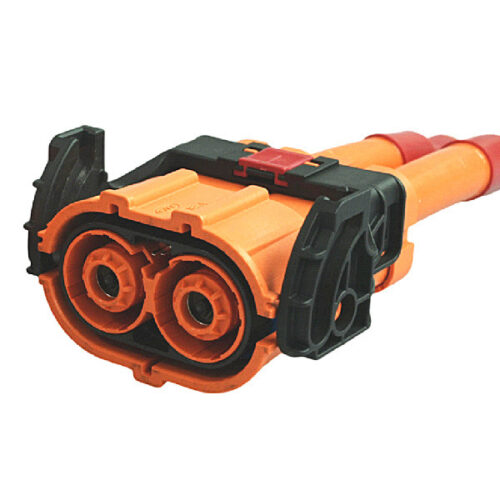
GH1000 Series-2-core plastic high voltage connector
-
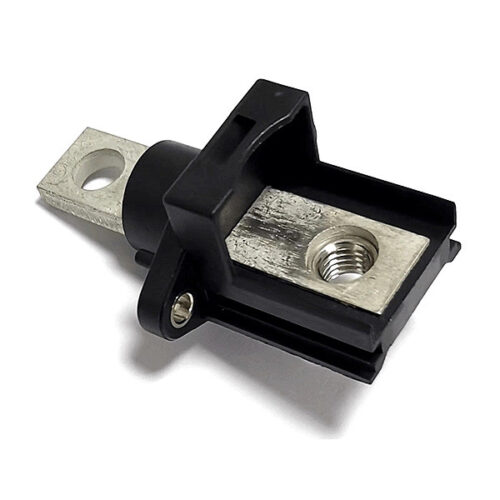
GHDC terminal
-
Low voltage connector-48 core socket + plug
-
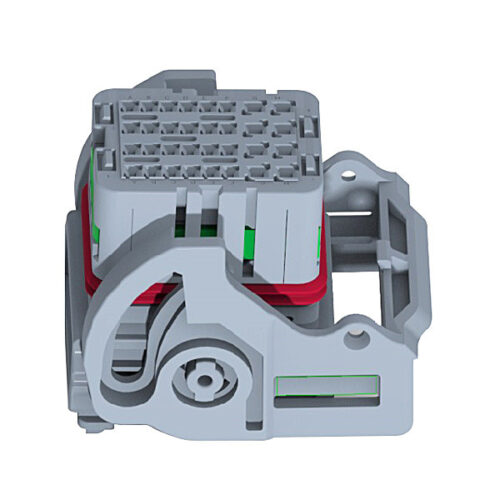
GE Series-32-core Low Voltage Connector-Socket+Plug
-
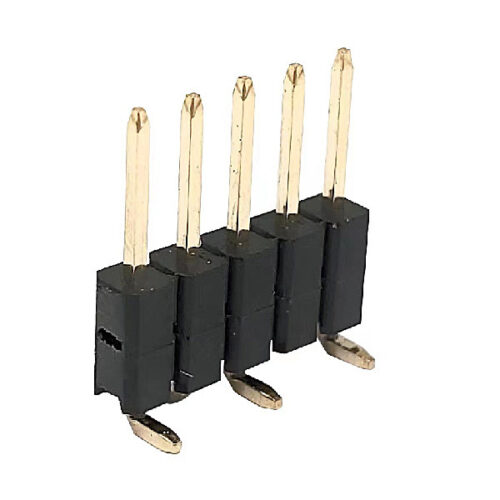
Industrial control pin header
-
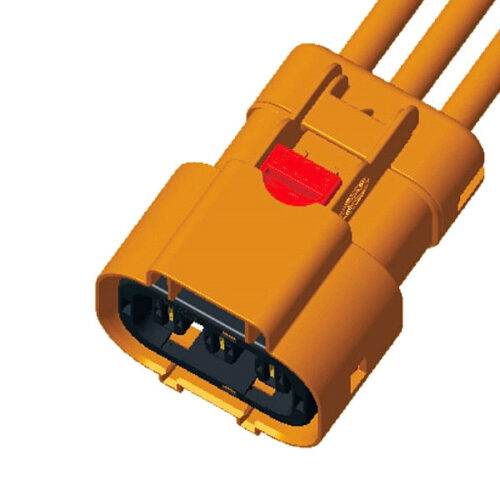
Connector plug+socket-GH630 series-3P
-
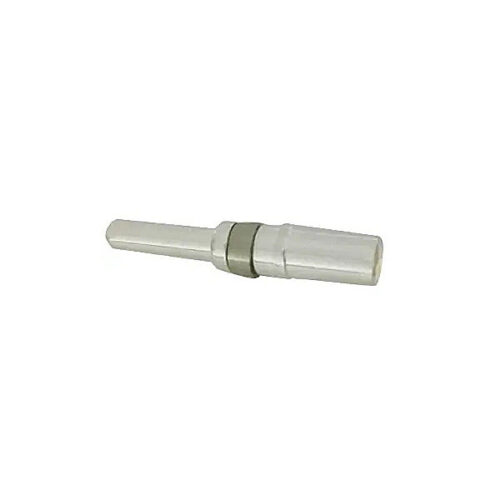
3.0 wire spring pin (crimping 2.5 square wire)
-
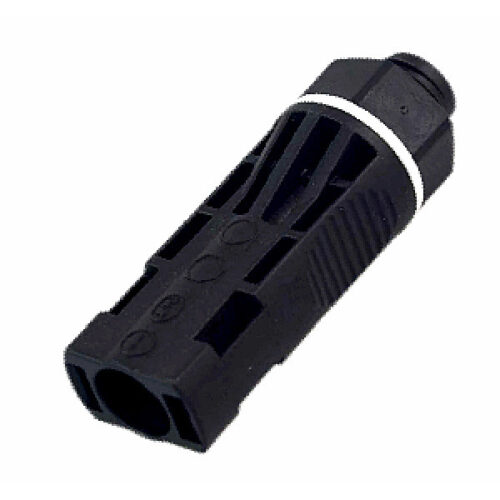
Photovoltaic connector – Board end socket