
Connector manufacturer
Connector manufacturer
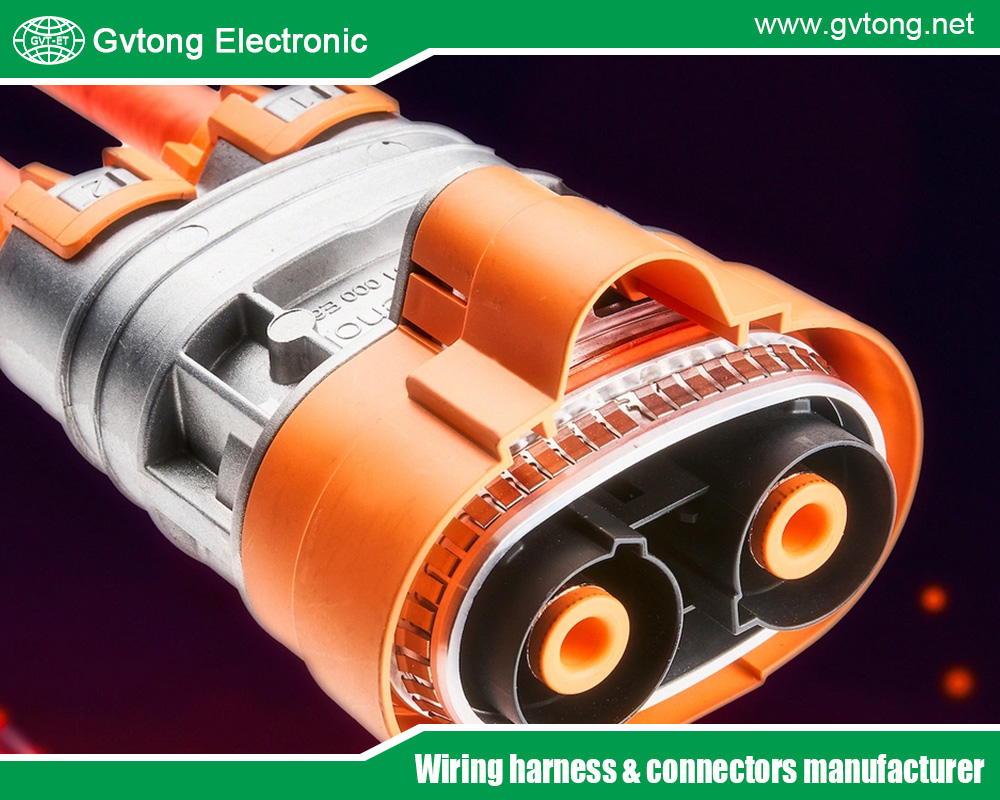
What is an Oil-Resistant Automotive Connector?
In the modern automotive industry, electrical connectors play a pivotal role in ensuring the seamless operation of vehicles. These small yet critical components facilitate the transmission of power, signals, and data between various systems, from engine control units to infotainment systems. Among the specialized types of automotive connectors, oil-resistant variants stand out for their ability to withstand exposure to oils, lubricants, and other fluids commonly found in vehicle environments. But what exactly is an oil-resistant automotive connector?
At its core, an oil-resistant automotive connector is an electrical interconnect device designed specifically to maintain functionality and integrity when exposed to petroleum-based oils, such as engine oil, transmission fluid, or hydraulic oils. These connectors are engineered with materials and seals that prevent oil ingress, which could otherwise lead to corrosion, short circuits, or mechanical failure. Unlike standard connectors, oil-resistant ones incorporate advanced polymers, coatings, and sealing mechanisms to resist chemical degradation, swelling, or cracking caused by oil contact.
The importance of oil-resistant connectors cannot be overstated in the automotive sector. Vehicles operate in harsh conditions, including high temperatures, vibrations, and exposure to contaminants. In engine compartments, for instance, connectors are routinely subjected to oil splashes or leaks. Without adequate resistance, these components could fail, leading to costly repairs, safety hazards, or reduced vehicle performance. According to industry insights, the demand for such durable connectors has surged with the rise of electric and hybrid vehicles, where electrical systems are more integrated and exposed to fluids in compact spaces. This resistance not only extends the lifespan of the connector but also enhances overall vehicle reliability, contributing to lower maintenance costs and improved efficiency.
As automotive technology evolves, incorporating more electronics for autonomous driving, electrification, and connectivity, the role of oil-resistant connectors becomes even more crucial. They ensure that critical systems like sensors, actuators, and control modules function reliably under duress. This article delves deeper into the materials, types, applications, standards, and future trends of oil-resistant automotive connectors, providing a comprehensive understanding of their significance in today’s vehicles.
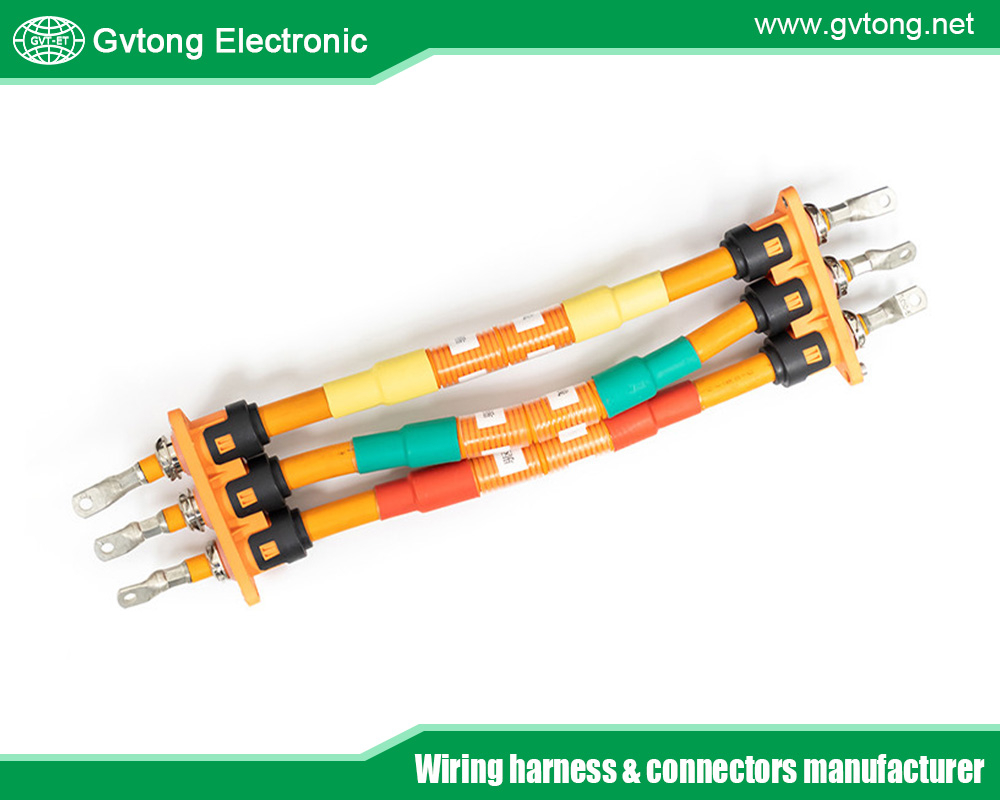
Understanding Oil-Resistant Automotive Connectors
Automotive connectors are the unsung heroes of vehicle electrical systems, serving as the junctions where wires, circuits, and components meet. These devices come in various forms, including wire-to-wire, wire-to-board, and board-to-board configurations, and are essential for distributing power and signals across the vehicle. In a typical modern car, there can be hundreds of connectors, handling everything from low-voltage sensor data to high-current battery connections.
The basic structure of an automotive connector includes a housing (often plastic or metal), terminals (metal contacts for conductivity), seals (to prevent ingress of contaminants), and locking mechanisms (to ensure secure mating). Terminals are usually made from copper alloys like brass or phosphor bronze for excellent conductivity and durability, while housings provide insulation and protection. In harsh automotive environments, connectors must endure extreme temperatures (from -40°C to 150°C or higher), vibrations, shocks, and exposure to chemicals.
What sets automotive connectors apart from general-purpose ones is their adherence to stringent performance requirements. They are designed for low insertion force, high retention strength, and minimal contact resistance to prevent voltage drops. Moreover, with the shift toward electrification, connectors now handle higher voltages and currents, necessitating enhanced insulation and shielding against electromagnetic interference (EMI).Oil resistance is a key subset of environmental protection in these connectors. Oils in vehicles can degrade standard materials, causing insulation to swell, harden, or crack, which compromises electrical integrity. Oil-resistant connectors address this by using specialized materials that repel or remain unaffected by oils. This feature is particularly vital in areas like the engine bay, transmission, or undercarriage, where fluid leaks are common. Without such resistance, failures could lead to issues like engine misfires or sensor malfunctions, underscoring the need for robust design in automotive applications.
Historically, automotive connectors have evolved from simple metal terminals in the early 20th century to sophisticated, sealed systems today. The push for lighter vehicles has favored plastic housings, but in oil-prone areas, metal or reinforced plastics are preferred for their mechanical strength and shielding properties. This evolution reflects the industry’s focus on reliability, miniaturization, and cost-effectiveness.
What Makes a Connector Oil-Resistant?
The oil resistance of an automotive connector stems from a combination of materials, design features, and manufacturing techniques tailored to combat the degenerative effects of oils. Oils, such as mineral-based engine lubricants or synthetic transmission fluids, can penetrate standard connectors, leading to material breakdown through absorption or extraction of plasticizers. This results in physical changes like swelling, softening, hardening, or cracking, which impair electrical performance and lead to failures.
Key to oil resistance are the materials used in the housing and seals. Common plastics include polyamide (Nylon PA6 or PA66), often glass-fiber reinforced for added strength, which offers excellent resistance to oils, greases, and fuels while maintaining flexibility across wide temperature ranges. Polybutylene terephthalate (PBT) is another staple, prized for its dimensional stability and low moisture absorption, making it ideal for oil-exposed environments where consistent performance is critical. For more extreme conditions, high-performance plastics like polyphenylene sulfide (PPS) and polyetheretherketone (PEEK) are employed. PPS provides superior chemical resistance to aggressive fluids, including oils, and inherent flame retardancy, while PEEK excels in high-temperature settings with unmatched resistance to oils and other chemicals. Seals play a crucial role, often made from elastomers like silicone or fluorocarbon rubbers that form watertight and oil-tight barriers. These materials prevent fluid ingress while accommodating vibrations and thermal expansions. Design features such as O-rings, grommets, or one-piece rubber moldings enhance this protection, ensuring the connector remains sealed even under pressure or immersion.
Terminals in oil-resistant connectors are typically plated with tin, gold, or silver over copper alloys to prevent corrosion from oil-induced oxidation. Brass and phosphor bronze provide the base strength, with beryllium copper used for high-reliability applications due to its fatigue resistance. Metal housings, when used, offer additional shielding and mechanical robustness, particularly in harsh environments where plastic might succumb to impacts.
Manufacturing processes also contribute, including overmolding for seamless integration and testing for oil immersion to verify retention of tensile strength and elongation. Overall, these elements ensure the connector’s longevity, with oil resistance tested through standards like UL Oil Res I and II, where samples are immersed in oil at elevated temperatures and evaluated for mechanical integrity.
Types of Oil-Resistant Automotive Connectors
Oil-resistant automotive connectors come in various types, each suited to specific applications based on size, configuration, and performance needs. Circular connectors, such as M-series (M5 to M40), are popular for their compact design and robust sealing. They feature threaded, bayonet, or push-pull couplings and are often IP-rated for fluid resistance, making them ideal for sensor and actuator connections in oil-prone areas. Rectangular connectors, common in engine control modules, offer high contact density and modular designs. They use crimp contacts and sealed housings to resist oils, with variants like those from the Buccaneer series providing IP66 to IP69K ratings for enhanced protection against oils and sprays. Heavy-duty connectors, designed for off-highway vehicles, feature reinforced nylon or metal shells with UL94V-0 flammability ratings. These are used in transmissions and hydraulics, where oil exposure is constant. D-sub connectors, like SEAL-D or NANOOK series, provide IP67/IP68 ratings and are suited for data logging in oily environments.
Hybrid connectors combine power, signal, and data in one unit, often with shielded designs for EMI protection in electric vehicles. Specialized types like ITT Cannon’s SURE SEAL offer one-piece rubber molding explicitly resistant to engine oil, gasoline, and brake fluid. Each type balances factors like mating cycles, current capacity, and environmental resistance to meet automotive demands.
Applications in the Automotive Industry
Oil-resistant automotive connectors find extensive use across vehicle systems where fluid exposure is inevitable. In engine compartments, they connect sensors, injectors, and ECUs, enduring oil splashes and high temperatures. For instance, connectors in fuel injection systems must resist gasoline and oil mixtures to prevent signal disruptions.
In transmissions and drivetrains, these connectors handle solenoid and valve controls, exposed to transmission fluids. Heavy-duty variants are crucial in off-road vehicles, where mud, oil, and water combine to challenge durability. Electric and hybrid vehicles rely on them for battery management systems, where coolants and lubricants pose risks to high-voltage connections.
Chassis and underbody applications, like ABS sensors or suspension controls, benefit from oil-resistant designs to combat road grime and hydraulic leaks. In lighting and exterior systems, they ensure reliable operation despite exposure to environmental oils from road surfaces.
Industrial automotive manufacturing also employs these connectors in assembly lines, reducing downtime from oil-related failures. Overall, their applications enhance vehicle safety, efficiency, and longevity by maintaining electrical integrity in fluid-heavy zones.
Standards and Testing for Oil-Resistant Connectors
Standards ensure oil-resistant automotive connectors meet rigorous performance criteria. The USCAR-20 standard outlines general requirements for electrical connector systems, emphasizing stable contact and environmental resistance, including to oils. USCAR-2 details testing procedures for temperature, vibration, and sealing.
Temperature classifications range from -40°C to 175°C, with higher classes for engine-mounted connectors resistant to hot oils. Vibration classes simulate vehicle conditions, ensuring no failures under oil exposure.
Sealing standards like IP ratings (IEC 60529) define protection against liquids, with IP67/IP68 common for oil resistance in automotive use. Testing involves oil immersion (e.g., UL Oil Res I: 4 days at 100°C, retaining 50% tensile strength; Oil Res II: 60 days at 75°C, 65% retention). Other standards include QC/T-1067 (Chinese) and GMW3191 (GM-specific), categorizing by environment and requiring fluid compatibility tests. Compliance ensures connectors withstand oils without degradation, verified through tensile, elongation, and immersion tests.
Advantages and Future Trends
Oil-resistant automotive connectors offer advantages like extended lifespan, reduced maintenance, and enhanced safety by preventing fluid-induced failures. They support lightweight designs and high-reliability in EVs.
Future trends include smarter materials for self-healing properties, integration with IoT for predictive maintenance, and sustainable, recyclable polymers. With autonomous vehicles, connectors will handle higher data rates while maintaining oil resistance. Advances in nanotechnology may enhance coatings for superior oil repellency.
Conclusion
Oil-resistant automotive connectors are indispensable for reliable vehicle operation in fluid-exposed environments. By understanding their materials, types, and standards, we appreciate their role in advancing automotive technology. As vehicles evolve, these connectors will continue to drive innovation and safety.
For more about the best automotive electrical connector manufacturers and suppliers in thailand, you can pay a visit to Gvtong at https://www.gvtong.net/ for more info.
-
Positive and negative terminal box – oblique opening
-
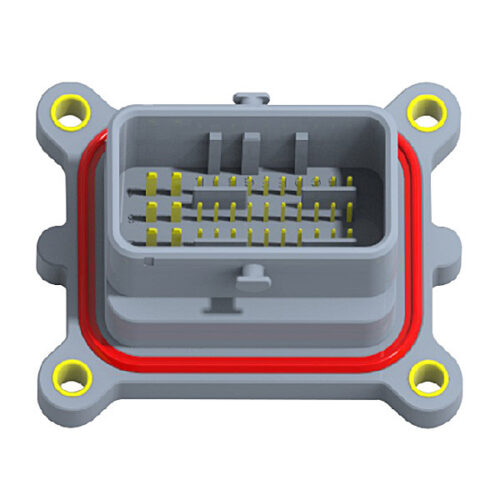
GE Series-48-core Low Voltage Connector-Socket+Plug
-
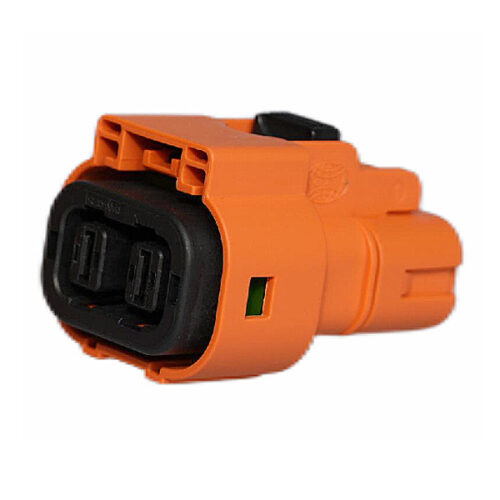
GH630 Series-2-core plastic high voltage connector
-
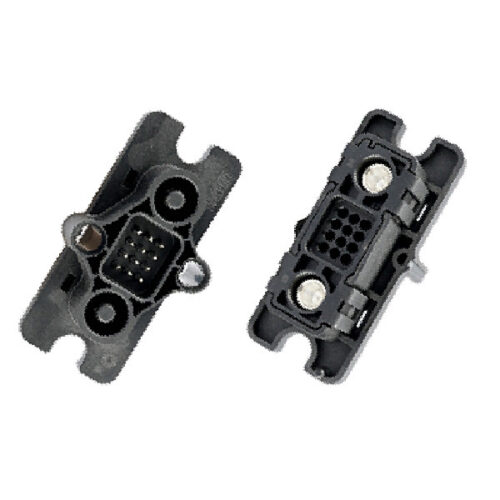
GF Series-2+12 Floating Connector
-
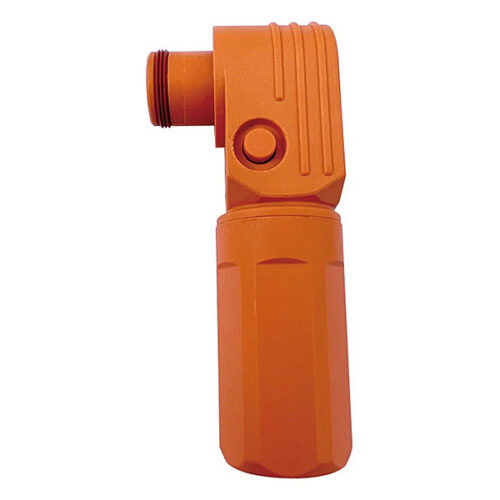
Energy storage connector 8.0mm
-
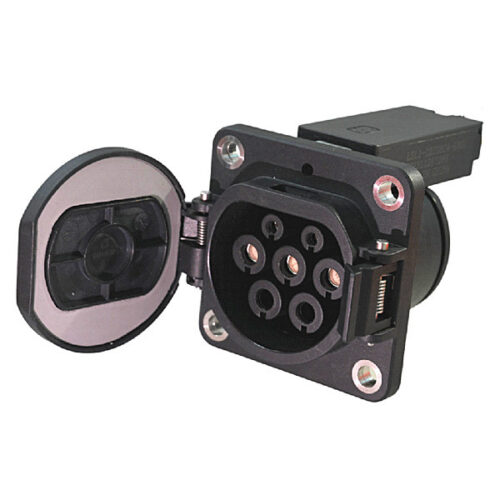
Electric Vehicles AC charging socket, New Energy Vehicles AC Socket Type 1 EV Charging Adapter
-
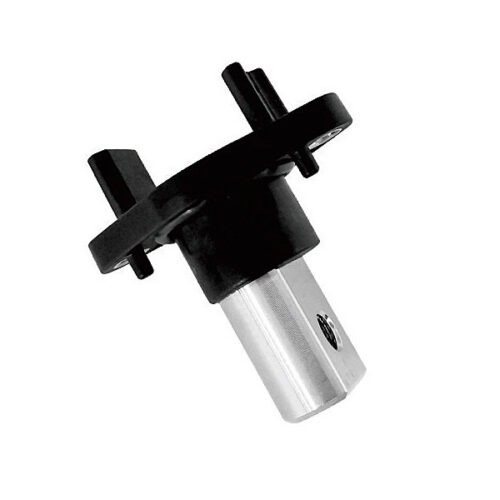
DCDC through-wall terminal – 90°180°
-
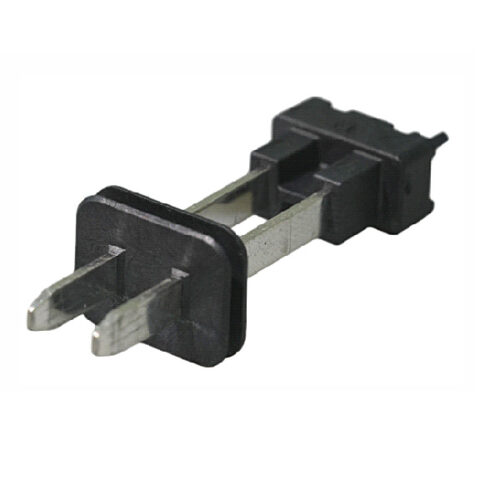
GE Series-WTB 2pin Connector Plug