
Connector manufacturer
Connector manufacturer
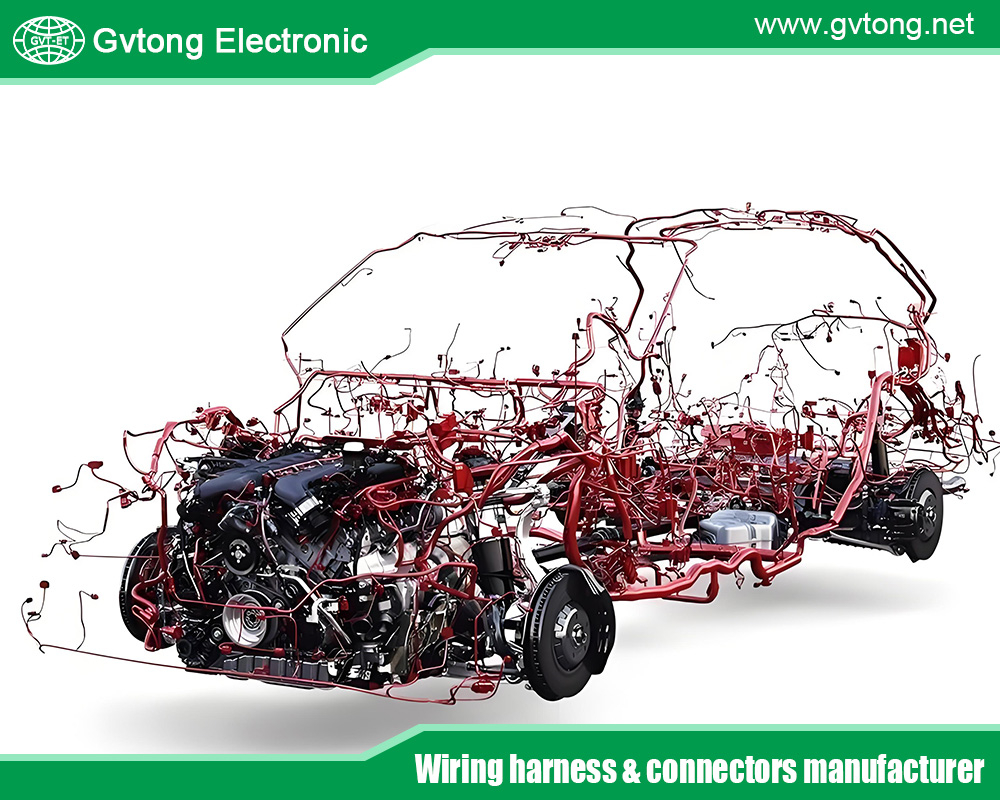
Why Can High-Quality Automotive Electrical Connectors Withstand Temperatures from -40℃ to 125℃?
In the demanding world of automotive engineering, components are not just asked to perform; they are required to survive. Among the most critical yet underappreciated of these components is the electrical connector. It is the reliable node in the vehicle’s nervous system, ensuring signals and power flow uninterrupted from the engine control unit to a tail light. To do this, a high-quality automotive connector must operate flawlessly across an astonishing temperature range, typically from -40℃ to 125℃. This 165-degree span represents the extremes of our planet’s climates, from Arctic winters to desert summers, compounded by the intense heat generated under the hood. The ability to withstand this thermal punishment is not accidental but the result of deliberate, sophisticated engineering across materials science, mechanical design, and rigorous validation. This article explores the multifaceted reasons behind this remarkable resilience.
The Crucible: Understanding the Thermal Challenge
First, it’s essential to understand the sources of this temperature range:
- -40℃: This represents cold-soak conditions in polar regions or high altitudes. At this temperature, plastics become brittle, metals contract, and lubricants solidify. Connectors must still mate without cracking and maintain electrical contact.
- 125℃ (and beyond): Underhood temperatures are severe. Proximity to the engine, exhaust manifold, turbocharger, or transmission can create ambient temperatures consistently above 100℃. Peak temperatures near hot components can reach 150℃ or more. At these extremes, plastics can soften, lose mechanical strength, and creep; metals can oxidize and lose spring tension; and seals can degrade.
This thermal cycling—repeated expansion and contraction over the vehicle’s lifetime—induces mechanical stress, potentially leading to failure. A connector’s resilience, therefore, is built on three pillars: Material Selection, Mechanical Design, and Electrical Integrity.
Pillar I: Advanced Material Science – The Foundation of Resilience
The choice of materials is the first and most critical defense against thermal extremes.
- Engineering Thermoplastics for Housings:
The connector housing, typically a plastic, must be an insulator, a structural shell, and a durable latch. For high-temperature performance, commodity plastics like polypropylene (PP) or ABS are insufficient. Instead, engineers turn to high-performance engineering thermoplastics:
- Polybutylene Terephthalate (PBT): A workhorse material, offering good balance of thermal resistance (up to ~140℃ continuous), dimensional stability, and chemical resistance. It is often glass-filled (e.g., 30% glass) to enhance strength and reduce thermal expansion.
- Polyphenylene Sulfide (PPS): A superior high-temperature polymer. It exhibits exceptional thermal stability (continuous use up to 200-220℃), incredible chemical resistance, and inherently low moisture absorption. Its rigidity and strength are maintained even at peak underhood temperatures, preventing housing deformation.
- Polyphthalamide (PPA): A material that bridges the gap between PBT and more expensive plastics like LCP. It offers excellent long-term thermal aging resistance at 150℃, good strength, and improved flow for molding complex, miniaturized connector shapes.
- Liquid Crystal Polymer (LCP): For the most extreme applications, especially in miniaturized connectors (e.g., for sensors near exhausts), LCP is used. It has a melting point above 300℃, extraordinary dimensional stability, and flows easily for intricate parts.
These polymers are engineered with specific fillers (glass fibers, minerals) to manage their Coefficient of Thermal Expansion (CTE). A lower, more predictable CTE is crucial to ensure that the plastic housing and metal terminals expand and contract at similar rates, preventing terminal “push-out” or loss of contact force during thermal cycling.
- High-Performance Alloys for Terminals:
The metal terminals inside must conduct electricity reliably while maintaining physical spring force.
- Copper Alloys: The base is often a copper alloy like phosphor bronze or brass, chosen for its good conductivity and spring properties. For highest performance, beryllium copper is used, offering superb strength, fatigue resistance, and thermal stability.
- Plating: The terminal’s plating is its skin and is vital for thermal and electrical performance. Tin plating is common but has a lower melting point and can suffer from fretting corrosion. For high-temperature and high-reliability applications, silver or gold plating is specified. Silver handles high currents and temperatures well, while gold offers excellent corrosion resistance and stable contact resistance across the entire temperature range. The plating must resist diffusion and oxidation at 125℃.
- Elastomeric Seals:
Seals keep out moisture, dirt, and contaminants. At -40℃, they must remain flexible to seal; at 125℃, they must not melt, degrade, or permanently deform (take a compression set). Silicone rubber (VMQ)is the premier choice. Special formulations of silicone can maintain elasticity from -55℃ to over 200℃. Fluorosilicone (FVMQ)is used for even better fuel and oil resistance at high temperatures.
Pillar II: Mechanical Design – Engineering for Stress and Movement
Materials alone are not enough. The connector’s physical design must accommodate and manage thermal stress.
- Contact Design and Stress Relaxation:
A key failure mode is stress relaxation—the loss of contact force in a metal spring at high temperature over time. If the contact force drops too low, electrical resistance increases, leading to overheating. Terminal designers use sophisticated shapes (e.g., multi-finger hyperbolic designs, robust box contacts) that provide redundant contact points and are optimized to maintain sufficient normal force even after thousands of hours at 125℃. The geometry ensures the spring operates within its elastic range throughout the temperature cycle.
- Housing Design and CTE Management:
As mentioned, managing differing CTEs is critical. Design features include:
- Terminal Retention: Barbs, latches, and primary locks that hold the terminal securely in the housing, designed to account for differential expansion.
- Strain Relief: The point where wires enter the connector is a stress concentration point. Proper strain relief (often a separate clamp or molded feature) prevents wire flexing from transferring stress to the critical crimp joint, especially when insulation is stiff at low temperatures.
- Sealing Architecture:
A multi-barrier sealing approach is standard:
- Primary Seal (Interface Seal): A gasket or molded lip that seals the gap between mated connector halves.
- Secondary Seal (Wire Seal): Individual seals for each wire, preventing wicking along strands.
- Perimeter Seal: Often a foam or molded seal around the entire connector back.
This architecture remains effective because each seal material and its compression are carefully calculated for the full temperature range.
Pillar III: Maintaining Electrical Integrity – The Ultimate Goal
The mechanical and material feats all serve one purpose: stable electrical performance.
- Stable Contact Resistance: high-quality automotive electrical connector terminals with suitable plating maintain a low and stable electrical resistance from -40℃ to 125℃. This prevents voltage drops and localized heating (I²R heating) that could create a thermal runaway scenario.
- Dielectric Strength: The insulating housing material must not break down electrically at high temperatures. Its dielectric strength—the ability to resist electrical arcing—is carefully specified and tested at the maximum operating temperature.
- Current Carrying Capacity (Ampacity): A connector’s current rating is derated at high temperatures because the environment reduces its ability to dissipate heat. High-quality connectors are rated for their full current load even at 125℃ ambient, often through design features that enhance heat dissipation or the use of higher-temperature materials.
Pillar IV: The Proof – Rigorous Testing and Validation
Trust is earned through brutal validation. Connector specifications are not theoretical; they are proven against industry standards, primarily the USCAR-2 standard for performance and USCAR-25 for sealing.
Testing to verify the -40℃ to 125℃ capability includes:
- Thermal Cycling: Hundreds or thousands of cycles between extremes, with electrical continuity monitored throughout.
- High-Temperature Life: Exposing the connector to 125℃ or higher for 1000+ hours while under electrical load, then checking for degradation in contact resistance, insulation resistance, and mechanical function.
- Thermal Shock: Rapid transfer between extreme hot and cold chambers to induce maximum stress.
- Cold Temperature Mating/Unmating: Testing the connector’s ability to be engaged and disengaged at -40℃ without cracking or damage.
- Stress Relaxation Testing: Quantifying the loss of contact force after prolonged exposure to high temperature.
The Real-World Impact: From EV Batteries to Desert Dashes
This engineering is not academic. Consider:
- Electric Vehicle Battery Packs: Cells generate heat, and connectors within the pack must operate reliably in a constant 80-100℃ environment while also surviving sub-zero charging sessions.
- Engine and Transmission Sensors: Connectors for knock sensors, cam/crank position sensors, or transmission solenoids are bolted directly to hot metal, experiencing the full 125℃+ ambient heat.
- Underhood Lighting and Control Modules: As engine bays become more packed, even components not directly on the engine are subjected to radiant heat.
Conclusion
The ability of a high-quality automotive electrical connector to function from -40℃ to 125℃ is a testament to systematic, layered engineering. It is the synergy of chemically-resistant polymers, fatigue-resistant alloys, and temperature-invariant elastomers, all orchestrated by a mechanically-intelligent design that anticipates and manages thermal stress. This resilience is then proven through uncompromising validation that mirrors a lifetime of extreme service.
In an era where vehicles are defined by their electronics—from advanced driver-assistance systems to electrified powertrains—the reliability of these connective nodes is paramount. They are the silent, robust enablers, ensuring that every signal reaches its destination, regardless of whether the car is parked in the frozen tundra or crawling through desert traffic. Their thermal endurance is, therefore, not just a specification on a datasheet; it is a fundamental promise of safety, performance, and reliability that defines the modern automobile.
For more about why can high-quality automotive electrical connectors withstand temperatures from -40℃ to 125℃, you can pay a visit to Gvtong at https://www.gvtong.net/ for more info.
-
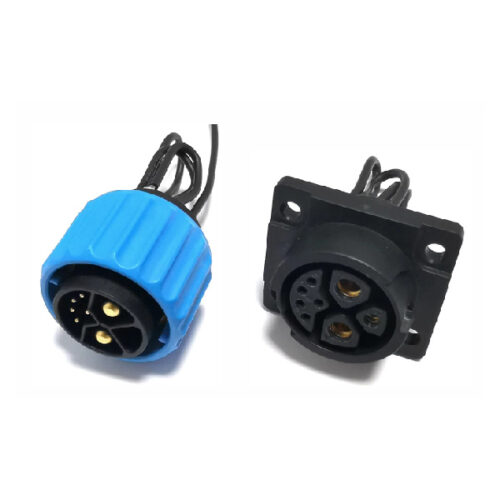
GD Series – Combined Power Connector – (2+1+5) Cores
-
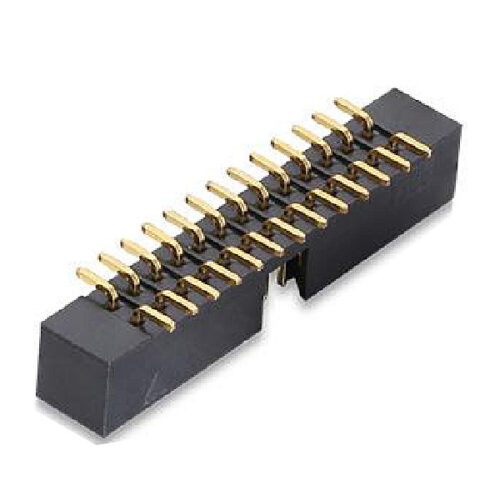
Industrial control exhaust
-
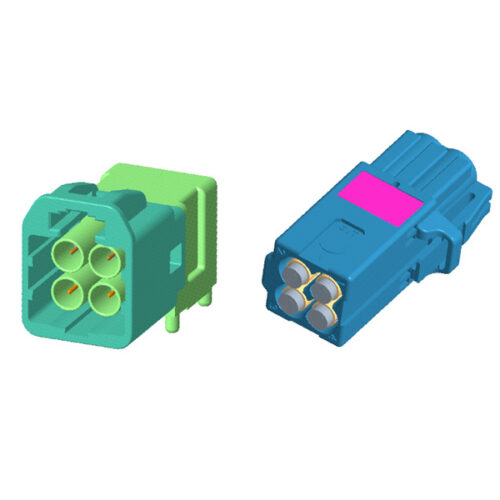
Automotive RF MINI FAKRA Four-Core Connector, Quad Port, PCB Through Hole, Right Angle, Plug, 50 Ohm
-
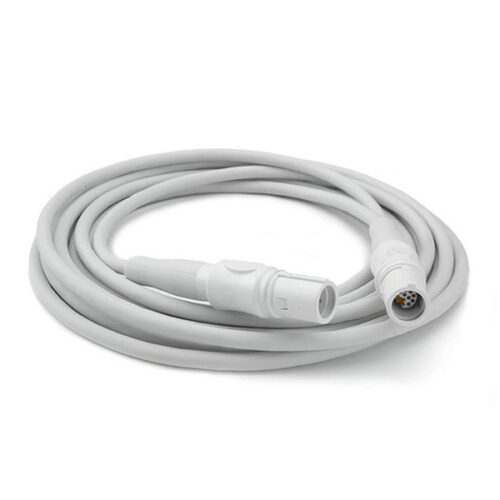
Wiring harness for medical equipments
-
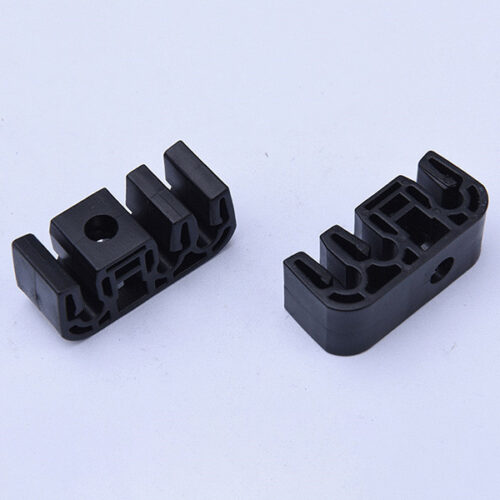
Automotive injection molded parts
-
13-core power connector
-
High voltage connector-2000 series-(2 core)
-
GH Series-DCDC Through-the-Wall Terminal B